
- What Makes a Dental Chew Actually Work
- Greenies: Still the Most Recommended, But Not for Every Dog
- Whimzees: The Best Alternative for Sensitive Stomachs
- Dentastix: Decent, Not Spectacular
- Virbac C.E.T. Chews: The Vet Clinic Staple
- OraVet: Best for Breath Problems Specifically
- The Size Problem Nobody Talks About Enough
- Best Dog Dental Chews for Small Dogs
- What to Do If Your Dog Gets Sick from a Dental Chew
- Best Dog Dental Chews Ranked (Quick Reference)
- FAQ
My dog Archie had breath so bad it could clear a room. My vet held back a smile and said, “You’ve got two options — brush his teeth or try a good dental chew daily.” I went home, stood in the pet store aisle for 15 minutes staring at 12 different bags, and left with the wrong one.
That was three dogs and six years ago. I’ve tried almost everything since. Here’s what I actually know now about the best dog dental chews — including why some popular ones might be quietly upsetting your dog’s stomach.
What Makes a Dental Chew Actually Work
Not all chews clean teeth. Some are just flavored sticks your dog inhales in 30 seconds.
A dental chew works by creating friction against the tooth surface as your dog chews. That friction scrapes off the soft layer of bacteria and food debris (called plaque) before it hardens into tartar. Tartar is the crusty yellow buildup — once it forms, no chew removes it. Only a vet can clean that off.
So timing matters. Daily chewing while plaque is still soft is the whole game.
The best dog dental chews do three things:
- They’re soft enough to flex against the tooth surface, not just snap off in chunks
- They last long enough for real chewing to happen — at least 3 to 5 minutes
- They don’t cause digestive problems that make your dog avoid them
That third one doesn’t get talked about enough. More on that in a minute.
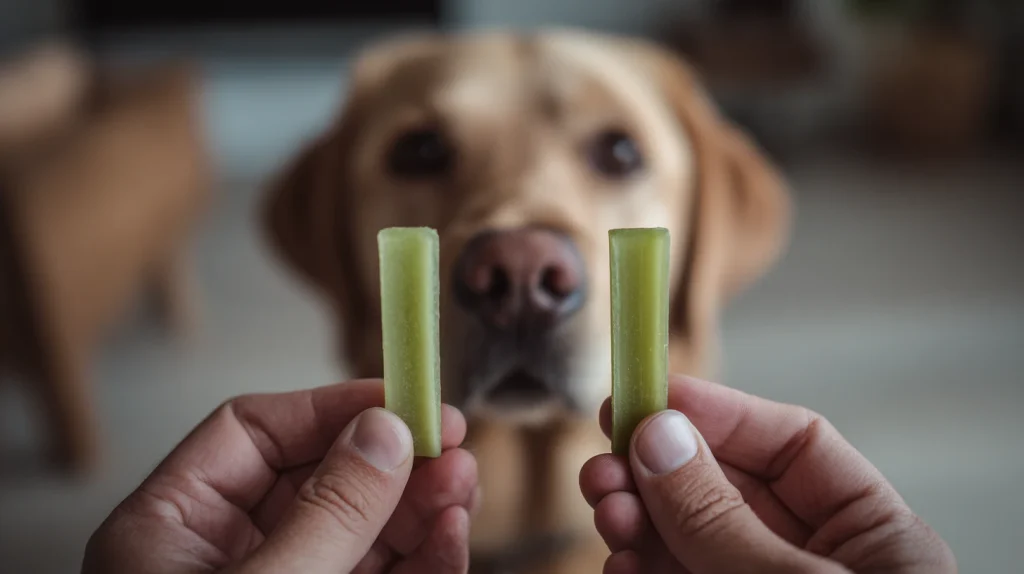
The VOHC seal matters. The Veterinary Oral Health Council tests dental products and gives a seal of acceptance to ones that actually reduce plaque or tartar. Not every chew on store shelves has earned it. If a bag doesn’t mention VOHC approval, check their website before buying.
Greenies: Still the Most Recommended, But Not for Every Dog
Greenies are the first thing most vets mention. They’ve been around forever, they have VOHC approval, and most dogs love them. That’s a solid foundation.
The texture is what makes them work. They’re firm enough to scrape teeth but soft enough to bend and reach into the gum line area. Dogs actually chew them instead of cracking them in half like a biscuit.
They come in multiple sizes — Teenie, Petite, Regular, Large — which matters a lot. Giving a small dog a large chew is a choking risk, and giving a big dog a tiny chew is basically just a snack.
The honest downside: some dogs get loose stools or vomiting after Greenies, especially when first introduced. This seems to happen more often with dogs who gulp food fast. If your dog is a gulper — the kind who swallows first and asks questions never — watch the first few carefully.
Greenies are also not grain-free in their standard formula. If your dog has a grain sensitivity, they make a grain-free version, but it costs more.
For most medium to large dogs with normal stomachs: Greenies are a solid first choice. They’re widely available, vet-recommended, and they genuinely work when given daily.
Whimzees: The Best Alternative for Sensitive Stomachs
If Greenies ever upset your dog’s gut, Whimzees are the first place I’d look next.
The ingredient list is shockingly simple. Potato starch, powdered cellulose, and a few natural coloring agents. That’s essentially it. No meat proteins, no grains, no artificial anything. Dogs with food sensitivities often do much better on these.
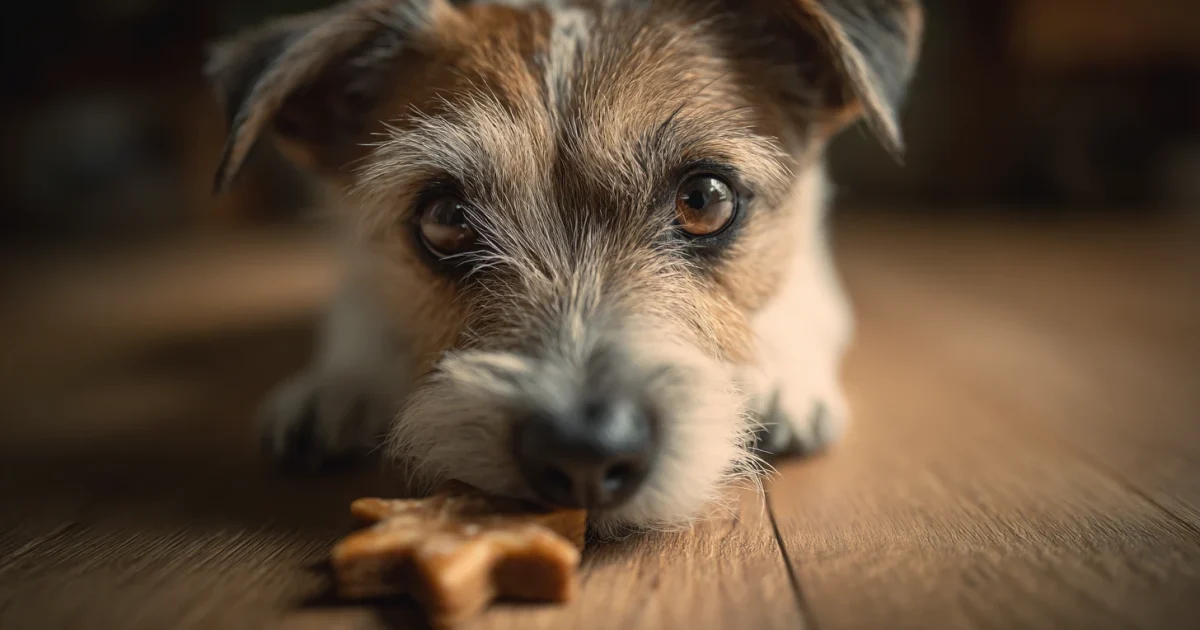
[PHOTO: realistic photography, small mixed-breed terrier dog sniffing a star-shaped Whimzees dental chew on a wooden kitchen floor, natural morning light, curious expression, low angle shot, shot on Canon EOS R5 35mm lens, shallow depth of field, warm tones –ar 16:9 –style raw –v 6.1 | Alt text: Small terrier dog sniffing a Whimzees dental chew on a wooden floor]
The shape is unusual — they come in toothbrush, hedgehog, and alligator forms. That’s not just branding. The ridges and angles create more surface contact as the dog chews. My current dog, a cattle dog mix, takes longer on a Whimzees than she does on Greenies, which means more chewing time against her teeth.
Whimzees are also VOHC approved. That matters.
The one real complaint: some dogs find them less exciting because there’s no meat flavor. If your dog is picky, they might lick it and walk away. Try the Brushzees shape — anecdotally, dogs seem to engage with those more.
For dogs with sensitive stomachs or grain allergies, Whimzees are my top pick for best dog dental chews.
Dentastix: Decent, Not Spectacular
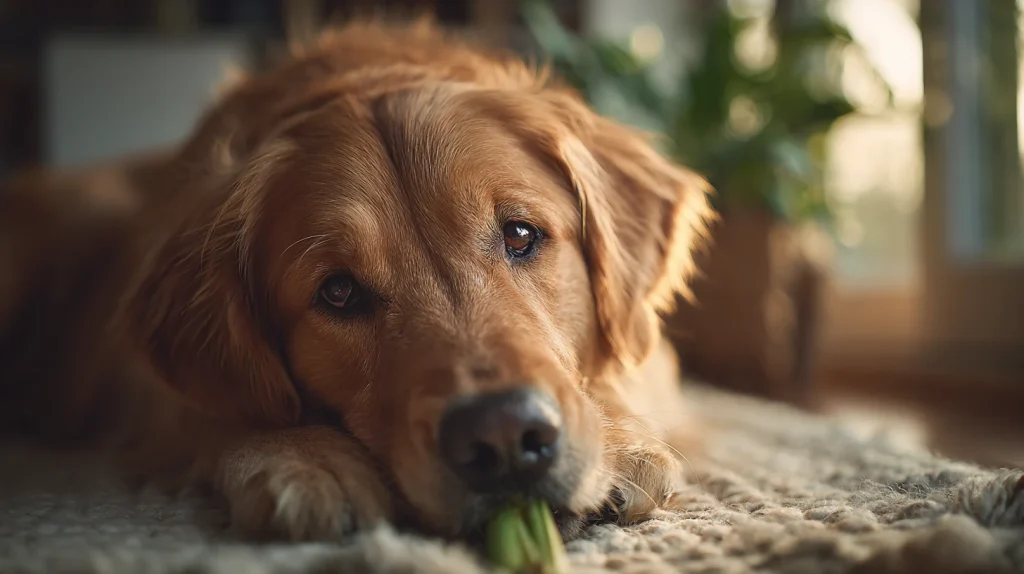
Dentastix are everywhere. They’re cheap, dogs like them, and they do reduce plaque to a point. The X-shape design is meant to clean multiple tooth surfaces at once.
Here’s my honest opinion: they’re fine as a daily habit for dogs with already decent teeth. They’re not the best tool if your dog has heavy buildup or bad breath that won’t quit.
The ingredient list includes some things worth noting — wheat starch, artificial flavoring, and sodium tripolyphosphate (a mineral salt that helps slow tartar). If your dog has a wheat sensitivity, Dentastix will likely cause problems.
They’re also softer than Greenies, which means some dogs blow through them fast. A large dog can finish a regular Dentastix in under a minute. That’s not enough chewing time to do much.
Good for: budget-conscious owners with healthy-toothed medium dogs who aren’t picky eaters and don’t have sensitivities.
Not ideal for: dogs with grain allergies, heavy tartar, bad breath, or sensitive guts.
Virbac C.E.T. Chews: The Vet Clinic Staple
Walk into most veterinary dental practices and you’ll see these. Virbac makes dental chews specifically for dogs with existing gum problems or early-stage dental disease.
They contain an enzyme system — basically proteins that help break down bacterial buildup in the mouth — rather than relying only on chewing action. That’s a different mechanism than most chews. It means they can reach areas that scrubbing alone misses.
They’re available in different sizes and have VOHC acceptance. They’re more expensive than grocery store brands. They’re also not as widely stocked, though most pet specialty stores carry them.
If your vet has flagged early gingivitis (gum inflammation) or said your dog’s breath is a health concern — not just a nuisance — this is the chew I’d ask about by name at your next appointment.
OraVet: Best for Breath Problems Specifically
Bad breath in dogs usually means bacteria. OraVet chews work differently from most — they coat the teeth with a substance called delmopinol that makes it harder for bacteria to stick. Less bacteria sticking means less of the smell that comes from bacterial activity.
For best dog dental chews for bad breath, OraVet is the most targeted option. Studies behind it are solid.
The tradeoff: they don’t physically scrub teeth the way textured chews do. They’re best used alongside another mechanical chew, not instead of one. And they’re pricier per chew than most alternatives.
Some dogs with sensitive stomachs have reported digestive issues on OraVet too — it seems individual. The safest approach is to try one, wait 24 hours, and see how your dog handles it before making it a daily habit.
The Size Problem Nobody Talks About Enough
Here’s something that catches people off guard. You can buy the right brand and still pick the wrong chew.
Every dental chew brand sizes their products by dog weight, but the ranges are wide. A “medium” chew from Greenies is designed for dogs 25–50 lbs. A 26-pound dog and a 49-pound dog are very different animals. The 49-pound dog might finish a medium Greenies in 90 seconds flat, which barely counts as dental time.
When in doubt, go slightly bigger. A chew that takes longer to finish is doing more work on those teeth. Just make sure your dog actually chews it and doesn’t try to swallow it whole.
Best Dog Dental Chews for Small Dogs
Small dogs are a different situation. Their teeth are more crowded, and they’re statistically more prone to dental disease than big breeds. A Chihuahua with bad teeth is not just a cosmetic issue — dental pain in small dogs often goes unnoticed until it’s serious.
For small dogs, look for:
- Chews specifically sized for dogs under 10 lbs (Greenies Teenie, Whimzees small, Dentastix toy/small)
- Softer textures — small dogs sometimes have more fragile teeth
- No pieces that could splinter or break off into swallowable chunks
Greenies Teenie is my go-to for small dogs. It’s the right size, soft enough to be safe, and dogs tend to enjoy them.
What to Do If Your Dog Gets Sick from a Dental Chew
It happens. You give your dog a new chew and an hour later there’s a mess on the floor.
Don’t panic, and don’t assume the chew is totally off the table. Some digestive upset when introducing any new treat is normal, especially for dogs with sensitive systems. The mistake is giving a full chew right away.
Start with half. Let them have half a chew for a few days. If things are fine, move to the full chew. If you see repeated vomiting, blood, or signs of discomfort (pacing, refusing food, bloated belly), stop the chew and call your vet.
Never ignore a dog that’s swallowed a large chunk of a hard chew without chewing it. That can cause a blockage — a real emergency.
Best Dog Dental Chews Ranked (Quick Reference)
Best overall: Greenies (VOHC approved, widely available, dogs love them)
Best for sensitive stomachs: Whimzees (minimal ingredients, grain-free, vegetarian)
Best for bad breath specifically: OraVet (targets bacteria rather than just scrubbing)
Best vet-clinic pick: Virbac C.E.T. (enzyme system, good for dogs with gum concerns)
Most affordable daily option: Dentastix (decent for healthy-toothed dogs, not ideal for sensitivities)
FAQ
Do dog dental chews actually work? Yes, but only with daily use and only before tartar hardens. They reduce soft plaque buildup. They won’t remove existing tartar — that needs a professional cleaning. Think of them as maintenance, not repair.
My dog swallows dental chews whole. Is that dangerous? It can be. Some chews expand when they absorb moisture in the stomach. A large piece swallowed quickly can cause digestive upset or, in rare cases, a blockage. If your dog gulps treats, try holding one end while they chew the other, or switch to a chew that’s too big to swallow whole.
Are dental chews a substitute for brushing? No, but they’re the next best thing for dogs who won’t tolerate a toothbrush. Brushing is still the gold standard for removing plaque. Chews are a solid daily supplement, especially for dogs where brushing isn’t realistic.
What’s the best dog dental chew for tartar and plaque? VOHC-approved chews are your best bet — Greenies, Whimzees, and Virbac C.E.T. all carry that seal. The key is consistency. One chew a week does almost nothing. One chew every day makes a measurable difference over time.
How do I know if a dental chew is safe for my dog? Check the VOHC website for approved products. Avoid anything with rawhide (choking and digestive risk), artificial dyes, or ingredients your dog is known to react to. If your dog is on medication or has a diagnosed health condition, ask your vet before introducing any new chew.