
Flaxseed oil contains omega-3 fatty acids. Cats cannot use it. This is not a minor detail buried in a biochemistry paper — it’s a fundamental biological reality of feline metabolism that eliminates a significant portion of the pet supplement market from consideration for cats.
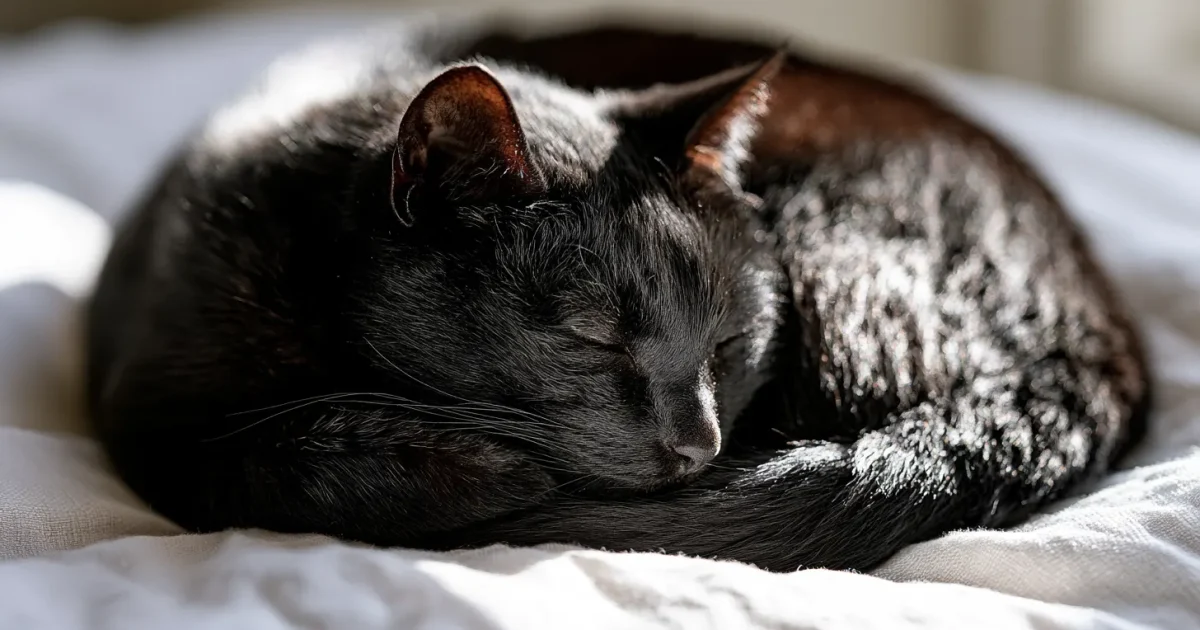
[PHOTO: realistic photography, a sleek black cat with a glossy healthy coat resting on a white linen bedspread, the cat curled in a half-circle with eyes partially closed, warm afternoon window light falling across its fur showing the coat’s shine, shot on Canon EOS R5 85mm lens, shallow depth of field –ar 16:9 –style raw –v 6.1 | Alt text: Sleek black cat with a glossy healthy coat resting on a white linen bedspread in a half-circle with warm afternoon window light showing the coat’s shine in shallow depth of field photography]
Here’s the biochemistry in plain terms: omega-3 fatty acids from plants arrive as ALA (alpha-linolenic acid). Your body (and a dog’s body) converts ALA to EPA and then DHA through a multi-step enzymatic process. Cats lack a functional delta-6-desaturase enzyme, which is the first step of that conversion process. The conversion doesn’t happen at any meaningful rate.
This means:
- Fish oil = direct EPA + DHA = works for cats
- Algae oil = direct EPA + DHA = works for cats (and is the vegan option since fish accumulate omega-3 from algae)
- Flaxseed oil = ALA only = doesn’t convert = doesn’t provide omega-3 benefit for cats
- Hemp seed oil = ALA + small amounts of GLA = mostly irrelevant for cats’ EPA/DHA needs
- Any “plant-based omega-3” = doesn’t work for cats
If you’re buying omega-3 for your cat: fish oil or algae-derived omega-3 only.
Why Cats Need EPA/DHA
Cats eating commercial cat food may already be receiving some EPA/DHA from fish-based ingredients. Whether it’s adequate depends on the specific food and its omega-3 content, which varies considerably.
Documented benefits of adequate EPA/DHA in cats (supported by veterinary nutrition research):
Coat and skin health: cats with dull, dry, or flaky coats often show improvement within 6–8 weeks of consistent omega-3 supplementation. Omega-3s support skin barrier function and reduce sebum overproduction.
Inflammatory conditions: EPA specifically has anti-inflammatory properties that may benefit cats with:
- Inflammatory bowel disease (adjunctive to primary treatment)
- Allergic skin disease
- Early-stage chronic kidney disease (fish oil is one of the few supplements with some published research in feline CKD management)
- Feline asthma (adjunctive)
Cognitive function in seniors: DHA is incorporated into neuronal cell membranes. Adequate DHA may support cognitive function in aging cats, though feline-specific research on this is limited.
Kidney disease: this one deserves more space. There is published research on omega-3 supplementation in cats with chronic kidney disease suggesting potential benefit in slowing progression at specific doses. This is one of the more evidence-supported applications of fish oil in cats specifically. If your cat has CKD, discuss omega-3 supplementation specifically with your vet.
The EPA/DHA Dose: What Cats Need
General dose guideline for cats:
- Maintenance/general health: 30–50mg combined EPA+DHA per kg of body weight per day
- Therapeutic (CKD, IBD, allergic skin disease): 50–100mg per kg per day (vet-directed)
Applied to average cat sizes:
| Cat Weight | Maintenance EPA+DHA | Therapeutic EPA+DHA |
|---|---|---|
| 3 kg (6.6 lbs) | 90–150mg | 150–300mg |
| 4 kg (8.8 lbs) | 120–200mg | 200–400mg |
| 5 kg (11 lbs) | 150–250mg | 250–500mg |
| 6 kg (13.2 lbs) | 180–300mg | 300–600mg |
Most fish oil products marketed for cats have appropriate dose ranges for average-sized cats at maintenance levels. Therapeutic dosing for CKD or IBD should be veterinarian-supervised.
Best Omega-3 Supplements for Cats 2026: Quick Comparison
| Product & Model | Best For | The Big Win | The Catch | Price Tier |
|---|---|---|---|---|
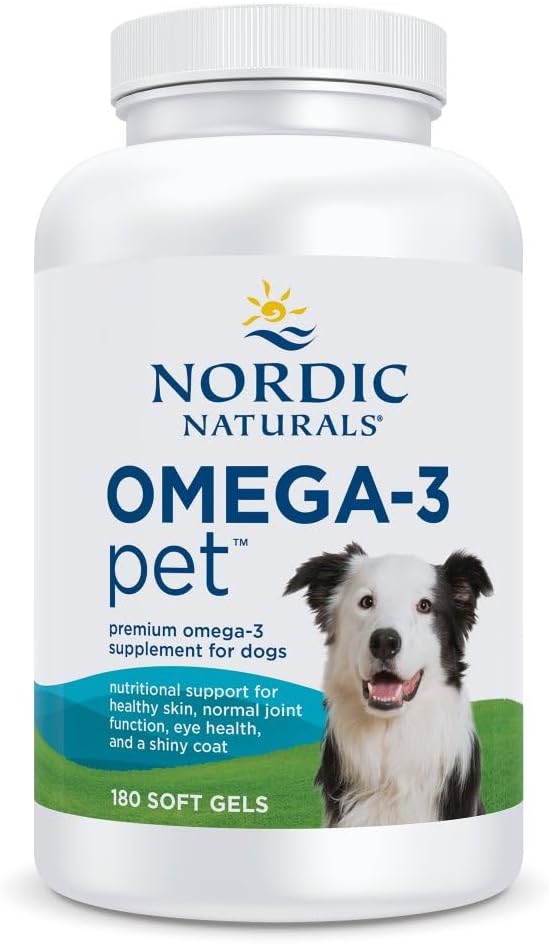
| Nordic Naturals Omega-3 Cat Soft Gels | Cats who swallow capsules; precise dosing; owners who want IFOS-certified quality | IFOS 5-star certified purity; pre-measured dose appropriate for cats; anchovy/sardine sourced (low on food chain for reduced contaminant risk); trusted omega-3 brand | Capsule administration can be challenging for cats who refuse; refrigeration needed after opening | Premium |
| Zesty Paws Pure Wild Alaskan Salmon Oil (liquid) | Cats who’ll eat liquid topper on food; palatability-first supplementation; easy daily use | Salmon flavor most cats accept as food topper; pump dispenser for accurate dosing; reasonable EPA+DHA content; wildly more palatable than capsules | Salmon slightly higher on food chain than anchovies/sardines; liquid requires refrigeration; confirm EPA+DHA content on label before purchasing | Mid-Range |
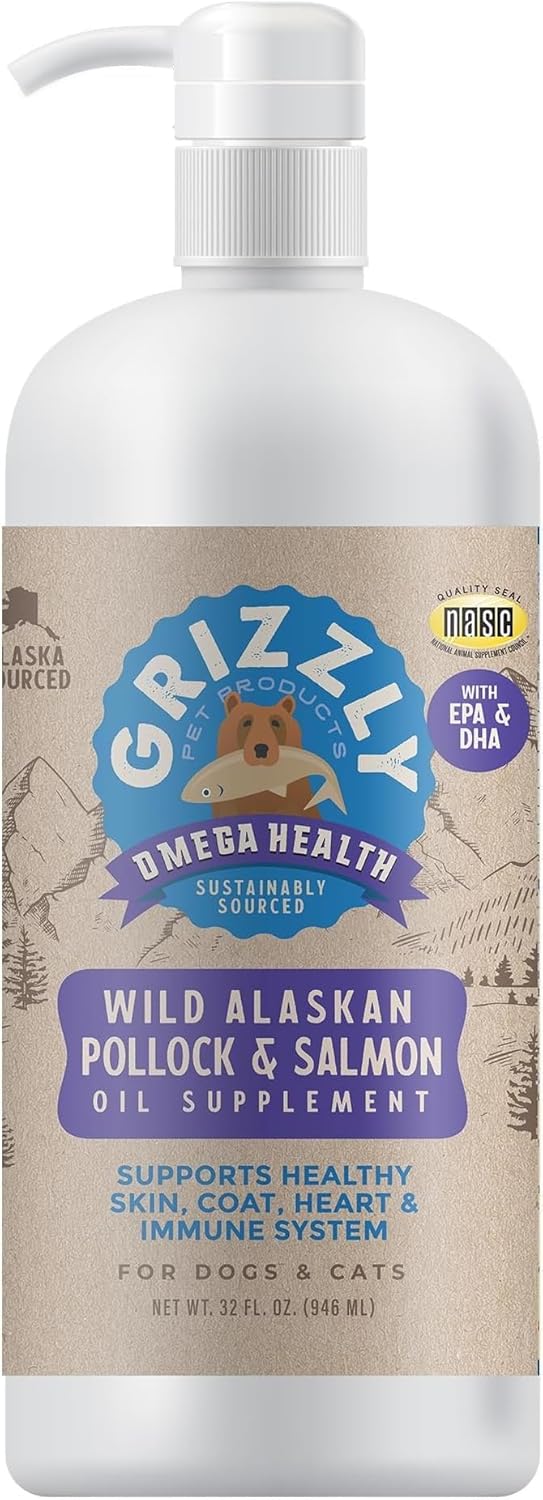
| Grizzly Pollock Oil (Omega Health for Cats) | Daily maintenance; cats who eat fish-flavored food; topper-friendly format | Alaska pollock source; pump dispenser; reasonable EPA+DHA content for cats; cats tend to accept pollock flavor well | Verify specific EPA+DHA content on current product label before purchasing; pollock is a mid-size fish with moderate but low overall contaminant risk | Mid-Range |
| Nordic Naturals Algae Omega (human product, cat dose) | Cats with fish allergies; fish-free households; vegan owner preference; direct EPA/DHA without fish | Directly provides EPA+DHA from algae (the original source fish get omega-3 from); no fish, no fish smell; appropriate for fish-allergic cats | More expensive per mg EPA+DHA than fish oil; the product is designed for humans but is safe for cats at appropriate doses; no cat-specific palatability formulation | Premium |
| Plain canned sardines in water (food supplementation) | Budget-conscious owners; cats who love fish; simple whole-food omega-3 source | Directly provides EPA+DHA from fish; cats almost universally accept sardines; no supplement needed; provides protein alongside omega-3 | Sodium content in canned sardines can be a concern — look for “in water” not “in salt water”; not a consistent measured dose; messy to portion | Budget |
Fish Allergy vs Fish Oil
A note that creates confusion: some cats are allergic to fish protein, which triggers food allergies or inflammatory skin reactions. Fish oil is derived from fish, but it’s an oil — the protein content is essentially zero in properly refined fish oil.
Many veterinary dermatologists will cautiously trial fish oil in cats with suspected fish protein allergies because the allergen is protein, not fat, and refined oil contains minimal protein. If your cat has a confirmed fish protein allergy: discuss with your vet before using fish oil, and consider algae-derived omega-3 as a definitively fish-protein-free alternative.
Storing Fish Oil for Cats
Fish oil oxidizes (goes rancid) faster than most supplements. Oxidized fish oil not only loses its omega-3 potency but may produce compounds counterproductive to reducing oxidative stress.
For cat-sized portions: liquid fish oil in large bottles may oxidize before it’s fully used. Consider:
- Buying appropriately sized quantities you’ll use within 60 days
- Refrigerating after opening (reduces oxidation rate)
- Choosing pump dispensers that limit air exposure over squeeze bottles
- Checking smell before each use — fresh fish oil should smell mild, not pungent or sour
FAQ
Can I give my cat regular fish oil for humans?
Yes, provided you dose by the cat’s body weight (not the human serving size) and verify there are no added ingredients like xylitol, flavoring agents, or herbal additions that may be harmful to cats. Plain fish oil in appropriate doses is safe for cats. A standard human 1000mg fish oil capsule typically provides 300–500mg combined EPA+DHA — appropriate for a 4–5 kg cat at one capsule per day maintenance dose.
Does fish oil help cats with kidney disease?
There is published research suggesting potential benefit of omega-3 supplementation in cats with early-to-moderate CKD at specific doses. The mechanism relates to reducing renal inflammation and improving blood flow to the kidneys. This is one of the more evidence-supported applications of fish oil in cats, but it should be vet-supervised — the dose matters and so does the overall management context of the CKD.
How long until fish oil improves my cat’s coat?
Expect 6–8 weeks of consistent daily supplementation before meaningful coat improvement is visible. The omega-3s need to incorporate into cell membranes throughout the skin over time. Don’t assess effect at 2 weeks — give it the full 8 weeks before concluding it’s not working.
Can cats eat tuna for omega-3?
Tuna provides omega-3 EPA/DHA. However, tuna fed regularly as a primary food source creates problems: high mercury exposure, vitamin E deficiency (unsaturated fats in tuna deplete vitamin E), and addiction to the intense flavor. Occasional tuna is fine; daily tuna as primary omega-3 source for cats is not recommended. Fish oil supplementation provides the EPA/DHA without the tuna downsides.
Does fish oil interact with any cat medications?
At high doses, fish oil can potentially affect platelet aggregation. For cats on aspirin (used in some cardiac conditions) or other anticoagulant medications: discuss omega-3 supplementation with the prescribing vet. At maintenance doses for otherwise healthy cats, fish oil has no documented problematic medication interactions.