
- Best Aquarium Water Conditioner for Most Tanks
- What Aquarium Water Conditioner Does
- Best Overall: Seachem Prime
- Best Prime Alternative: Fritz Complete
- Best Easy Store Pick: API Stress Coat+
- Best Beginner Bottle: Tetra AquaSafe Plus
- Best Emergency Support: Kordon AmQuel Plus
- Best for Ponds: API Pond Stress Coat
- Chlorine vs Chloramine
- How to Use Water Conditioner Correctly
- Common Water Conditioner Mistakes
- FAQ
- What is the best aquarium water conditioner?
- Do I need water conditioner for fish tank tap water?
- Is Seachem Prime safe for all fish?
- Can water conditioner remove ammonia?
- Can I add fish right after using water conditioner?
Tap water can look perfect and still hurt fish in minutes.
That is why the best aquarium water conditioner is not a cute extra bottle. It is the thing that turns chlorine or chloramine-treated tap water into water your fish can survive. I keep conditioner near every tank because one rushed water change without it can undo months of careful care.
Best Aquarium Water Conditioner for Most Tanks
For most freshwater and saltwater aquariums, Seachem Prime is still the best all-around water conditioner because it treats chlorine, chloramine, and has strong emergency-use value. Fritz Complete is a great alternative. API Stress Coat+ is useful for routine water changes if you like aloe-style slime coat support, but I would not choose it first for ammonia emergencies.
| Product & Model | Best For | The Big Win | The Catch | Price Tier |
|---|---|---|---|---|
| Seachem Prime | Most aquariums | Very concentrated dosing | Sulfur smell | Mid-Range |
| Fritz Complete | Chloramine tap water | Strong all-around treatment | Less common locally | Mid-Range |
| API Stress Coat+ | Routine water changes | Easy store access | Less concentrated | Budget |
| Tetra AquaSafe Plus | Beginner tanks | Simple and familiar | Large doses needed | Budget |
| Kordon AmQuel Plus | Ammonia support | Emergency-friendly formula | Can confuse testing | Mid-Range |
| API Pond Stress Coat | Outdoor ponds | Big-volume dosing | Pond-focused bottle | Mid-Range |
What Aquarium Water Conditioner Does
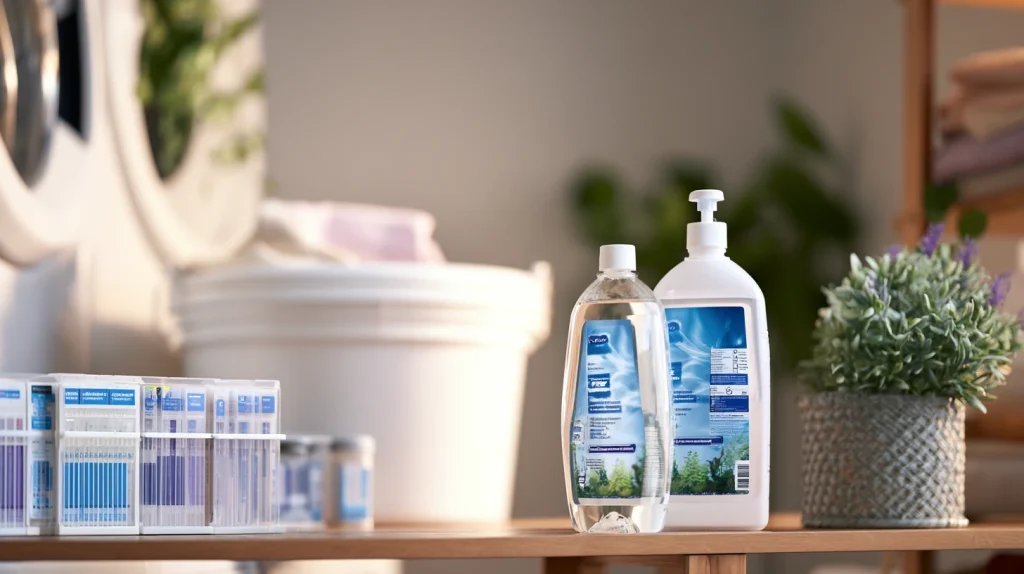
Water conditioner makes tap water safer for fish.
Most tap water contains disinfectants. That is good for people. It is rough on fish, shrimp, filter bacteria, and aquarium life. Chlorine can damage gills. Chloramine is chlorine bonded with ammonia, and many cities use it because it lasts longer in pipes.
A simple dechlorinator can handle chlorine.
Chloramine needs more care.
Some basic products only break the chlorine bond and leave ammonia behind. Better aquarium conditioners handle both sides of the problem or bind ammonia long enough for the filter to process it.
Many conditioners also claim to help with heavy metals, slime coat, or stress. Some contain additives like aloe or polymers. I do not hate those, but I care most about chlorine and chloramine first.
The best dechlorinator fish tank owners can buy is the one that matches their tap water.
If your city uses chloramine, choose a conditioner labeled for chloramine.
Best Overall: Seachem Prime
Seachem Prime is the bottle I trust most for general aquarium use.
It treats chlorine and chloramine, and it is very concentrated. A small capful treats a lot of water, so the bottle lasts. That makes it good for small tanks, big tanks, and fish rooms.
Prime is also popular during emergencies because it can bind ammonia, nitrite, and nitrate for a limited time according to the label. I treat that as support, not a cure.
That distinction matters.
If ammonia is present, you still need to fix the cause. Test the water. Change water. Check the filter. Stop overfeeding. Do not keep dosing and hope the tank becomes fine by moral force.
The catch is smell. Prime can smell like sulfur. That does not mean it is spoiled. It just smells like the bottle has secrets.
Use Prime for:
- Routine water changes
- Chloramine tap water
- Emergency ammonia support
- Freshwater tanks
- Saltwater tanks
- Large aquariums
Dose carefully. More is not always better. Follow the label.
Best Prime Alternative: Fritz Complete
Fritz Complete is a strong alternative if you want a conditioner with similar broad use.
It treats chlorine and chloramine and is made for freshwater and saltwater systems. Many fishkeepers like it because it is straightforward and works well for routine water changes.
I would choose Fritz Complete if Prime is not available or if you prefer the Fritz line.
The catch is store access. Depending on where you live, Fritz may be harder to find than API, Tetra, or Seachem. Online ordering solves that, but I like having water conditioner on hand before I need it.
Running out of conditioner on water-change day is a special kind of annoying.
Fritz Complete is best for:
- Chloramine-treated tap water
- Community tanks
- Reef tanks
- Fish rooms
- Owners who want a Prime alternative
I would keep this in the same category as Prime: a serious all-purpose conditioner, not just a beginner bottle.
Best Easy Store Pick: API Stress Coat+
API Stress Coat+ is easy to find and beginner-friendly.
It treats tap water and includes aloe vera, which is marketed as slime coat support. Many owners use it during water changes, after netting fish, or when fish seem stressed.
I have used it. It works fine for routine water changes when dosed properly.
My hesitation is that people sometimes treat “stress coat” products like medicine. They are not a fix for bad water, bullying, ammonia, wrong temperature, or a tank that never cycled.
The best water conditioner comparison should say that plainly.
API Stress Coat+ is a good pick if:
- You have a simple freshwater tank
- Your tap water needs chlorine/chloramine treatment
- You want an easy local product
- You like slime coat support
It is not my first emergency ammonia tool. For that, I reach for Prime, Fritz Complete, or AmQuel Plus.
Best Beginner Bottle: Tetra AquaSafe Plus
Tetra AquaSafe Plus is another common beginner conditioner.
It is simple, widely sold, and easy to understand. For many small freshwater tanks, it does the routine job: treat tap water before it goes into the aquarium.
The main downside is concentration. You may use more per gallon compared with Prime. For one small tank, that may not matter. For several tanks or big water changes, it does.
Use it if you want:
- A simple beginner product
- Easy store access
- Routine water changes
- A familiar brand
Do not use it as an excuse to skip learning your tap water. Check whether your water company uses chlorine or chloramine. That one detail changes which labels matter.
Best Emergency Support: Kordon AmQuel Plus
Kordon AmQuel Plus is often used when ammonia, nitrite, nitrate, chlorine, or chloramine are part of the problem.
It is not a magic reset button.
I like products like this as emergency support when a filter crashes, a new tank is cycling with fish, or tap water has chloramine and the owner needs extra help.
But conditioners that bind ammonia can confuse test readings. Some tests may still show ammonia even when part of it is bound. That can make beginners panic or dose again too soon.
If you use an ammonia-binding conditioner, read the label and understand your test kit.
Use AmQuel Plus for:
- Fish-in cycling support
- Ammonia scares
- Chloramine tap water
- Quarantine tanks
- Backup emergency shelf
Still do water changes. Still test. Still protect the filter bacteria.
Best for Ponds: API Pond Stress Coat
Ponds need big-volume dosing.
API Pond Stress Coat is made for larger outdoor water changes and pond use. It treats tap water and is packaged for bigger volumes than tiny aquarium bottles.
Use pond products for ponds, not because they are always better, but because the dosing and bottle size make sense.
The catch is calculation. Large water volumes make dosing mistakes easier. Know your pond size. Dose for the new water being added unless the label says otherwise.
Outdoor fish like koi and goldfish still need safe water. Chlorine does not become polite because the container is outside.
Chlorine vs Chloramine
This is the part every fishkeeper should learn once.
Chlorine is a disinfectant that can gas off if water sits exposed, though I still prefer conditioner because it is fast and safer.
Chloramine is more stable. Letting water sit overnight may not remove it. A conditioner must treat chloramine properly.
If your tap water uses chloramine, you need a conditioner that says chloramine on the label.
I do not like the advice “just let the water sit out.”
Maybe it worked in some places years ago. Maybe it works for chlorine-only water. It is not good enough as a blanket rule now.
Use conditioner.
It is cheap compared with replacing fish.
How to Use Water Conditioner Correctly
Dose the new water before adding it to the tank when you can.
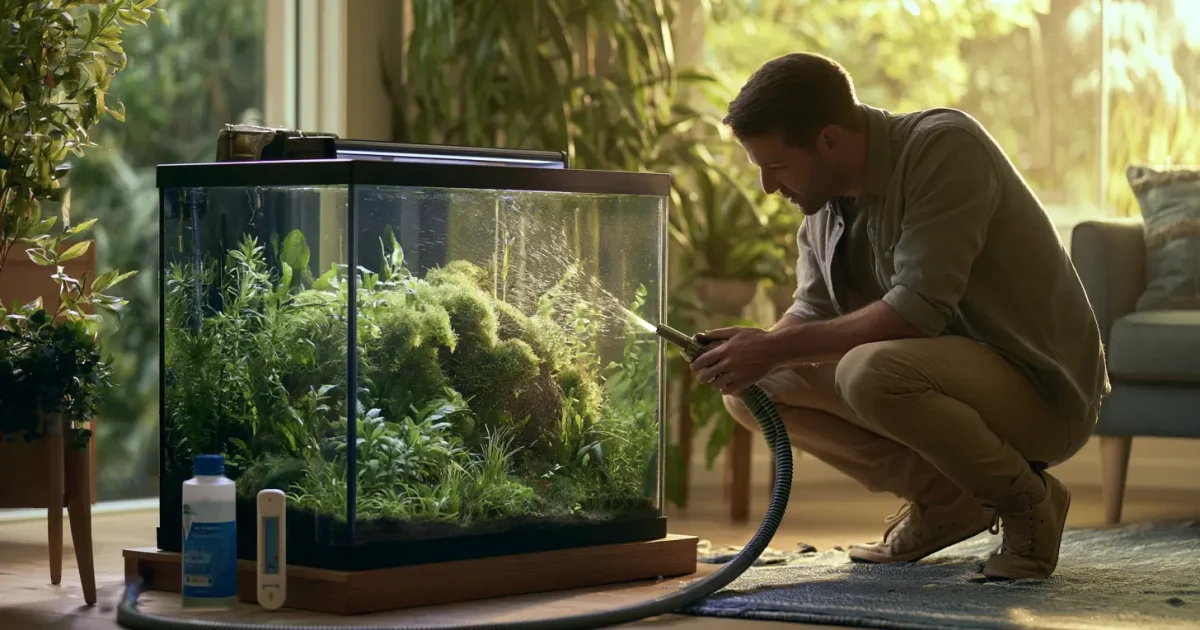
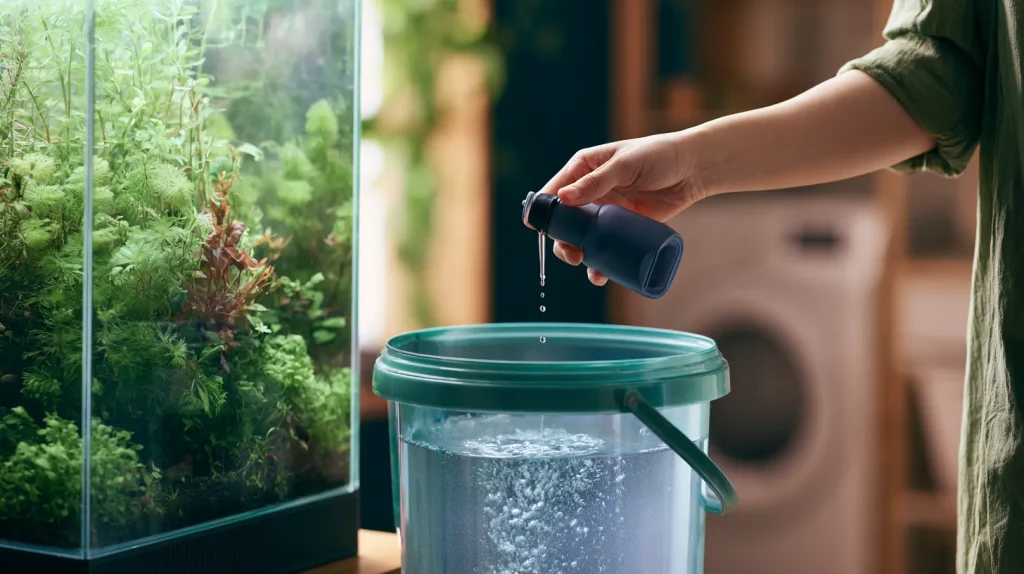
For bucket water changes, add conditioner to the bucket, fill with tap water, match temperature, then add to the aquarium.
For large tanks using a hose or water changer, many owners dose the tank for the full volume or new water volume based on label guidance. Be careful with math. If you are unsure, follow the product instructions.
Do not mix random conditioners together because more bottles feel safer.
They may overlap. They may alter test readings. They may add needless chemicals.
Keep one reliable product and learn it.
Common Water Conditioner Mistakes
The first mistake is forgetting it during a water change.
If that happens, dose the tank right away and increase aeration. Watch fish closely.
The second mistake is underdosing for chloramine.
The third mistake is overdosing every time because it feels safer. Most conditioners have safe ranges, but sloppy dosing is not a habit I like.
The fourth mistake is using conditioner to hide bad tank care. It cannot replace cycling, filtration, or water changes.
The fifth mistake is using expired or crusty old bottles without checking them. If the product looks wrong, smells wrong beyond its normal smell, or has been stored badly, replace it.
You have probably noticed the cheapest part of aquarium care often protects the most expensive part.
That is water conditioner.
FAQ
What is the best aquarium water conditioner?
Seachem Prime is the best all-around pick for most aquariums. Fritz Complete is a strong alternative, and API Stress Coat+ is good for routine water changes.
Do I need water conditioner for fish tank tap water?
Yes, if your tap water contains chlorine or chloramine. Most municipal tap water does, so conditioner is part of normal aquarium care.
Is Seachem Prime safe for all fish?
It is widely used for freshwater and saltwater fish when dosed as directed. Sensitive tanks still need careful dosing and good aeration.
Can water conditioner remove ammonia?
Some conditioners bind or detox ammonia for a limited time. They do not remove the cause. You still need water changes, testing, and a working biofilter.
Can I add fish right after using water conditioner?
Conditioner can make tap water safer quickly, but a new tank still needs cycling. Safe tap water is not the same as a ready aquarium.
The best aquarium water conditioner brands all have one job before anything else: protect fish from treated tap water.
Choose a product that handles your tap water, especially if chloramine is used. Keep it near the bucket. Measure it. Respect it. It is a small bottle doing a very serious job.