
- What "Orthopedic" Actually Means (And When It's Just a Label)
- The Best Orthopedic Dog Beds Worth Buying in 2026
- Big Barker 7" Orthopedic Dog Bed — Best for Large Breeds
- PetFusion Ultimate Orthopedic Dog Bed — Best Mid-Range Pick
- EHEYCIGA Orthopedic Dog Bed — Best Value for Large Dogs
- The Dog's Bed Premium Orthopedic Bed — Best for Hip Dysplasia
- Matching the Bed to the Condition
- How to Know If the Bed Is Actually Helping
- What to Look for Beyond the Foam
- Small Dogs Need It Too
- A Note on Price
- FAQ
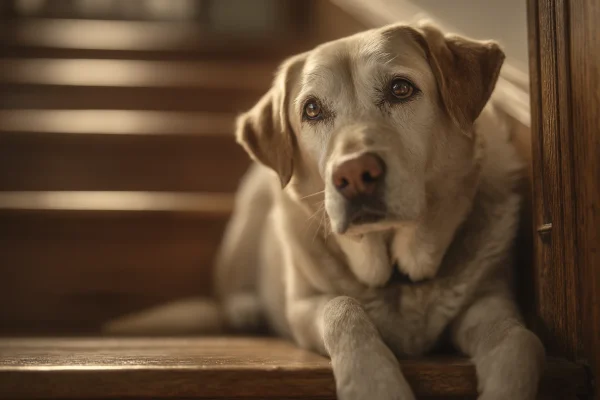
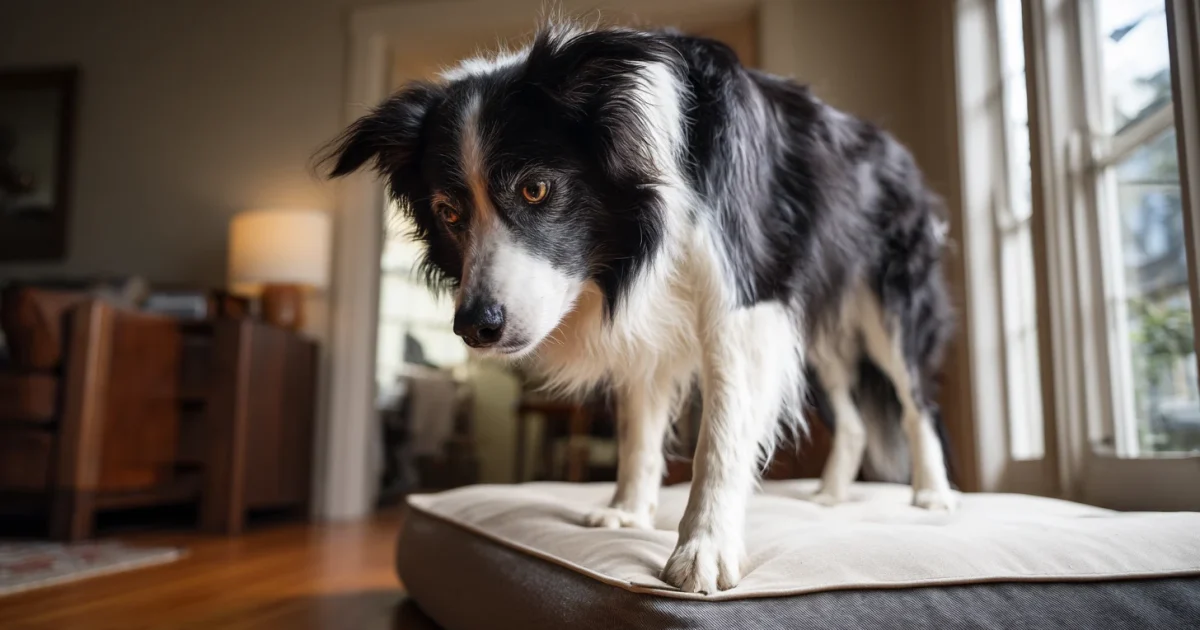
My 9-year-old Lab mix, Biscuit, started sleeping on the cold hardwood floor about two years ago. Right next to his perfectly good dog bed. He’d sniff it, circle it, then walk away and lie down on the tile instead.
I thought he was just being weird. Turns out he was telling me something.
The bed had bottomed out. Three inches of foam, compressed to almost nothing after a year of heavy use. He weighed 72 pounds. Every time he laid on it, he felt the floor underneath. So he skipped it entirely and chose the cold hard tile — because at least that was consistent.
That’s when I started actually paying attention to orthopedic dog beds. And what I found surprised me.
What “Orthopedic” Actually Means (And When It’s Just a Label)
There’s no regulation around the word “orthopedic” in pet products. Any brand can put it on the packaging. A $19 bed stuffed with polyester batting can legally call itself orthopedic. So the word alone means nothing.
What actually makes a bed orthopedic is the foam underneath.
Real orthopedic support comes from high-density foam — usually at least 3 to 4 inches thick. The density is measured in pounds per cubic foot. For a medium or large dog, you want foam that’s at least 1.8 lb/ft³. Anything less will compress under their body weight and flatten out within months.
Memory foam is one type that works well. It contours to the body and distributes weight evenly, which reduces pressure on joints. But memory foam alone isn’t always enough for a heavy dog. The best beds pair a memory foam comfort layer on top with a firmer high-density base underneath. The firm base keeps your dog from sinking through to the floor. The softer top layer takes pressure off bony joints like elbows and hips.

Egg-crate foam — the kind with bumps on the surface — is often used in budget beds. It compresses quickly. Fine for a young healthy dog. Not enough for a senior dog with real joint pain.
One thing nobody tells you: memory foam is temperature-sensitive. It softens in heat and gets firmer in cold. In a house that drops overnight, some memory foam beds become almost rigid by 3 a.m. That matters for a dog with arthritis. Gel-infused memory foam helps regulate this, which is why it shows up in the best orthopedic dog bed options for arthritis specifically.
The Best Orthopedic Dog Beds Worth Buying in 2026
These are the beds that actually hold up based on verified owner reviews, foam specs, and real-world durability testing.
Big Barker 7″ Orthopedic Dog Bed — Best for Large Breeds
This one is consistently the top pick for large dogs, and the reason is simple: the foam doesn’t flatten. Big Barker uses three layers of American-made therapeutic foam totaling 7 inches. They’ve done clinical testing with the University of Pennsylvania School of Veterinary Medicine. The results showed reduced pain and improved mobility in dogs with arthritis.
It’s expensive. No getting around that. But if your dog is over 50 pounds and struggling with stiffness, the math works out — this bed lasts years instead of months. Available in sizes up to XXL for giant breeds.
Best for: Large and extra-large dogs, hip dysplasia, arthritis, post-surgery recovery.
PetFusion Ultimate Orthopedic Dog Bed — Best Mid-Range Pick
PetFusion uses certified CertiPUR-US memory foam, which means it’s tested for harmful chemicals. The foam is 4 inches thick with a quilted top cover. The base is non-skid, which matters more than people realize — if the bed slides when your arthritic dog tries to step on it, they’ll stop using it.
It washes well. The cover comes off easily, and most owners say it holds its shape after repeated washing. Good value for medium and large dogs.
Best for: Medium dogs, general joint support, dogs who need a clean washable surface.
EHEYCIGA Orthopedic Dog Bed — Best Value for Large Dogs
This one punches above its price. It combines a memory foam top layer with egg-crate base foam, plus three bolstered sides. The bolster matters for dogs who like to rest their chin or curl against something — it gives them a headrest and a sense of security.
It’s particularly popular for large senior dogs and gets consistent reviews for not flattening out quickly. Good choice if budget is a concern but your dog genuinely needs the support.
Best for: Large senior dogs, dogs who like to lean on bolsters, budget-conscious buyers.
The Dog’s Bed Premium Orthopedic Bed — Best for Hip Dysplasia
This UK-designed bed shows up in vet recommendations for hip dysplasia and elbow dysplasia specifically. It uses 2 inches of memory foam over 4 inches of high-stability support foam. That layering gives the pressure relief of memory foam without the soft, sinking feel that can actually make hip pain worse.

The waterproof inner cover is a real feature — not just a claim. Important for older dogs who may have occasional accidents.
Best for: Dogs with hip dysplasia, elbow dysplasia, post-surgical recovery.
Matching the Bed to the Condition
This is the part most buying guides skip. Picking the best orthopedic dog bed isn’t just about size — it’s about what’s actually wrong with your dog’s joints.
Arthritis: Dogs with arthritis need consistent, even support. Memory foam does this well. The key thing: avoid beds that are too soft. A bed that lets your dog sink in makes it harder to stand back up, which strains arthritic joints more. You want medium-firm support. The best orthopedic dog bed for arthritis holds its shape when your dog pushes off to stand.
Hip dysplasia: Hip dysplasia is a structural issue — the ball of the femur doesn’t fit properly in the hip socket. A thicker, firmer foam base helps the most here. You also want lower entry height so your dog doesn’t have to lift their legs high to get onto the bed. Ramp-accessible placement helps even more.
IVDD (intervertebral disc disease): Dogs with spinal disc issues need a flat, supportive surface without too much give. Avoid highly contoured beds or deep bolsters that force unnatural spinal positions. Flat orthopedic mattress-style beds work best.
Post-surgery: After orthopedic surgery, your dog’s vet will likely have specific positioning instructions. A waterproof orthopedic bed is a must here — accidents happen during recovery. Look for a bed that’s easy to wipe down and has a removable, machine-washable cover.
How to Know If the Bed Is Actually Helping
Most guides end after the product list. But here’s what actually matters: knowing whether the bed is working after you buy it.
Watch for these changes in the first two to four weeks:
- Easier mornings. Dogs with arthritis are stiffest right after waking. If your dog gets up with less struggling — takes fewer wobbly steps before walking normally — the bed is helping.
- Sleeping through the night. Frequent position changes and nighttime restlessness often mean the dog is uncomfortable. Longer, more settled sleep is a good sign.
- Choosing the bed voluntarily. This sounds obvious, but it’s the clearest signal. If your dog starts going to the bed on their own instead of the floor or the couch, the support is working for them.
- Less post-nap stiffness. Watch what your dog does in the first 60 seconds after waking. Less limping, less hesitation to bear weight — that’s real improvement.
If you don’t see any change after three to four weeks, the bed may not be the right foam type or thickness for your dog’s weight. Don’t just accept it.
What to Look for Beyond the Foam
Foam is the foundation, but a few other features make a real difference day to day.
Cover washability. This should be non-negotiable. Removable covers that machine wash on warm are ideal. Spot-clean-only beds get gross fast, especially with older dogs.
Non-slip base. If the bed shifts every time your dog steps on it, they’ll start avoiding it — particularly dogs with balance issues or weak hindquarters.
Entry height. A bed that sits 5 to 7 inches off the ground is fine for most dogs. But if your dog struggles with stairs or jumping, look for a lower-profile option, or position the bed next to something they can use as a step.
Waterproofing. An inner waterproof liner (not just a water-resistant cover) is worth it for senior dogs. Incontinence is common in older dogs, and a soaked foam core is ruined — you can’t dry it out properly.
Size. Your dog should be able to fully stretch out without any limbs hanging off the edge. Measure your dog nose-to-tail while they’re lying on their side, then add at least 6 to 8 inches. Most people buy too small.
Small Dogs Need It Too
Most of the attention goes to large breeds — Labs, German Shepherds, Golden Retrievers — because joint problems are more visible in big dogs. But small breeds have joint issues too.
French Bulldogs and Pugs have compressed spines that benefit from firm flat support. Dachshunds are prone to IVDD and need a low-entry, flat orthopedic surface. Corgis carry a lot of weight on short legs and tend to develop elbow and shoulder problems with age.
The best orthopedic dog bed for small dogs doesn’t need to be 7 inches thick. Three to four inches of quality foam is enough for a dog under 25 pounds. What matters more at that size is that the foam is certified and genuinely supportive — not just the pillow-style stuffed beds that look orthopedic but compress almost immediately.
A Note on Price
I’ll be direct: you generally get what you pay for with orthopedic dog beds. A $30 bed may work for a 2-year-old with no joint issues. For a 10-year-old with arthritis or hip dysplasia, it won’t hold up. The foam compresses, the support disappears, and you end up buying another one in six months anyway.
That said, you don’t need to spend $300. The $80 to $140 range has some genuinely solid options. The EHEYCIGA and PetFusion beds hit that range and perform well for most dogs.
Where I’d say spend more: if your dog is over 80 pounds, has a diagnosed orthopedic condition, or has already blown through two or three cheaper beds in a year. The Big Barker is expensive but it’s built differently than almost everything else in this category.
FAQ
My dog keeps getting off the orthopedic bed and sleeping on the floor. What does that mean?
It usually means one of two things. The foam has compressed and the bed is no longer offering real support — your dog feels the floor through it. Or the bed is retaining too much heat, which can happen with dense memory foam in warm rooms. Try a gel-infused option or a bed with a cooling cover if this is the issue.
How thick does an orthopedic dog bed really need to be?
For dogs under 25 lbs, 3 inches is usually sufficient. For dogs 25 to 60 lbs, aim for 4 inches. For dogs over 60 lbs or any dog with a diagnosed joint condition, 6 to 7 inches is worth it. Thinner beds compress under heavier body weight and stop providing real support.
Can a young dog use an orthopedic dog bed even without joint problems?
Yes, and there’s an argument for starting early with large breeds. Dogs like Labradors, German Shepherds, and Great Danes are genetically predisposed to hip dysplasia and elbow issues. Good joint support from a younger age doesn’t guarantee they won’t develop problems, but it reduces the wear and tear from daily sleeping on hard or unsupported surfaces.
What’s the difference between memory foam and regular orthopedic foam?
Memory foam is a specific type of foam that softens with body heat and conforms to the shape of your dog. Regular high-density orthopedic foam is firmer and doesn’t contour as much, but it often supports heavier dogs better because it doesn’t allow them to sink as deep. The best beds layer both — memory foam on top for comfort, firm base foam underneath for support.
How do I clean an orthopedic dog bed without ruining it?
Remove the cover and wash it according to the tag — usually warm machine wash. Never put the foam insert in the washing machine or dryer. For the foam itself, spot clean with a mild soap and water solution, then let it air dry completely before replacing the cover. Getting the foam wet and not drying it fully causes mold inside the bed, which you usually can’t see until it’s a real problem.
Biscuit sleeps on his Big Barker now. He still does the little nose-sniff circle before lying down — old habits. But he actually uses it. Gets up with less wobbling in the morning. And I haven’t seen him choose the hardwood floor over it once since we made the switch.
Sometimes the fix is obvious once you stop ignoring what your dog is already telling you.