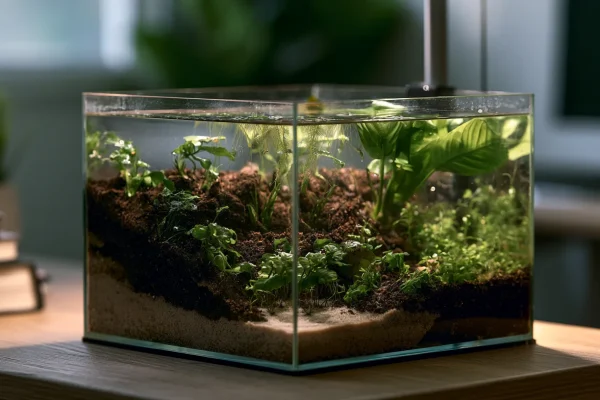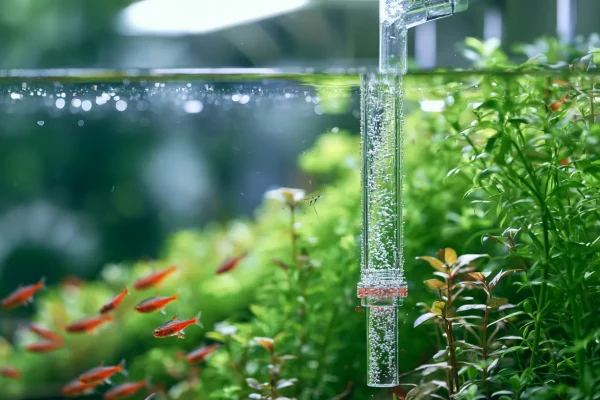
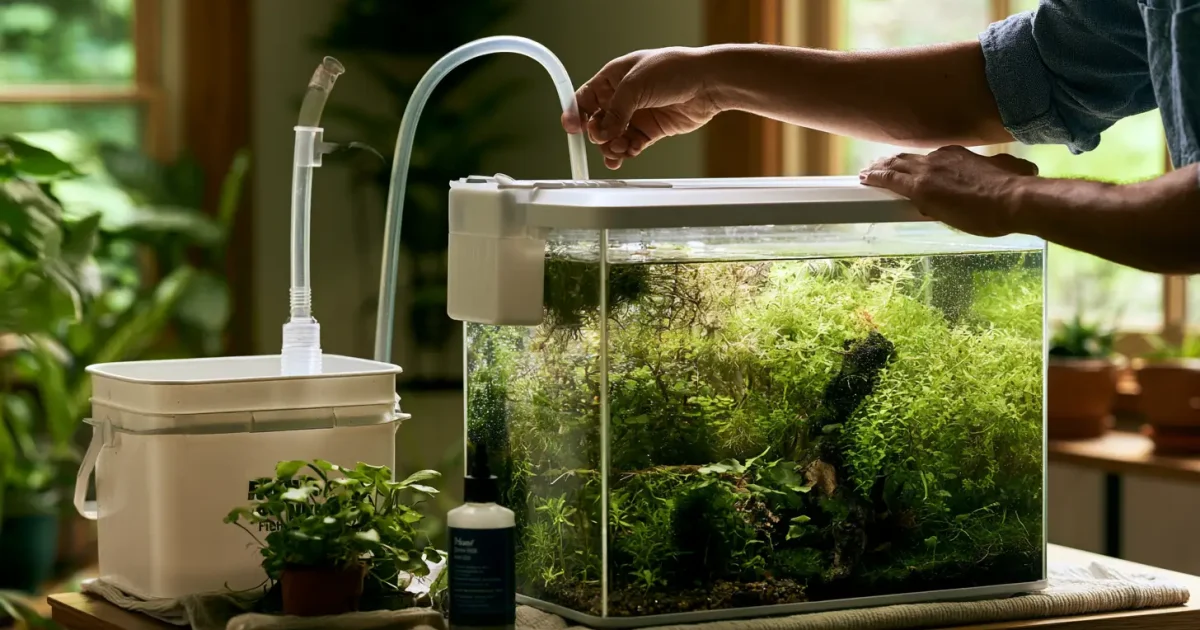

- Best Aquarium Gravel Vacuum for Most People
- Why a Gravel Vacuum Matters More Than It Looks
- Best Overall: Aqueon Siphon Vacuum Gravel Cleaner
- Best for Big Tanks: Python No Spill Clean and Fill
- Best Budget Pick: Laifoo 5-Foot Siphon Cleaner
- Best Hand Control: Fluval Aqua Vac Plus
- Best Spot Cleaner: Eheim Quick Vac Pro
- Best Powered Cleaner: hygger Electric Gravel Cleaner
- Gravel, Sand, and Planted Tanks Need Different Cleaning
- Gravel
- Sand
- Planted Tanks
- How Often Should You Vacuum Aquarium Gravel?
- How to Use a Gravel Vacuum Without Making a Mess
- What Size Gravel Vacuum Do You Need?
- Common Mistakes With Aquarium Gravel Vacuums
- My Picks by Tank Setup
- FAQ
- What is the best aquarium gravel vacuum for a 36 gallon tank?
- Is a gravel vacuum better than a normal siphon?
- Can I use a gravel vacuum in sand?
- How much water should I remove while vacuuming gravel?
- Do I need the best aquarium gravel vacuum cleaner if I have snails or cory cats?
The best aquarium gravel vacuum is the one you will use before the tank smells weird.
That sounds too simple, but it is where most fish tank cleaner review advice falls apart. A huge water changer can be great for a 75-gallon tank and absurd for a 5-gallon betta setup. A tiny squeeze-bulb siphon can be perfect for shrimp and slow torture for goldfish gravel. I have owned both. I have also spilled both.
Best Aquarium Gravel Vacuum for Most People
For most tanks from 10 to 40 gallons, the Aqueon Siphon Vacuum Gravel Cleaner is the easy pick. It is cheap, simple, and does the job during a normal water change. For bigger tanks, the Python No Spill Clean and Fill is the one I would buy first because carrying buckets gets old fast. For sand, shrimp, and nano tanks, go smaller and gentler.
| Product & Model | Best For | The Big Win | The Catch | Price Tier |
|---|---|---|---|---|
| Python No Spill Clean and Fill | Large tanks | No bucket hauling | Needs sink fit | Premium |
| Aqueon Siphon Vacuum Gravel Cleaner | Most freshwater tanks | Simple and cheap | Manual bucket work | Budget |
| Laifoo 5-Foot Siphon Cleaner | Small tanks | Easy squeeze start | Short hose | Budget |
| Fluval Aqua Vac Plus | Medium tanks | Better hand control | Costs more | Mid-Range |
| Eheim Quick Vac Pro | Spot cleaning | No water change | Weak for deep gravel | Premium |
| hygger Electric Gravel Cleaner | Messy tanks | Powered debris pull | More parts to clean | Mid-Range |
Why a Gravel Vacuum Matters More Than It Looks
Fish waste does not sit politely on top of the gravel.
It falls between rocks. Leftover food follows it. Dead plant bits settle in the same pockets. After a while, that mess breaks down and can raise ammonia, which is toxic to fish. It can also create dirty pockets that smell awful when disturbed.
A gravel vacuum solves the boring part of aquarium care. It lifts light waste out while the heavier gravel falls back down.
That is the whole trick.
You do not need a fancy tool for every tank. You need the right tube size, the right hose length, and a way to start the siphon without getting tank water in your mouth. Please do not do that. I know older fishkeepers talk about it like a rite of passage. I think it is gross, and there are better ways now.
Best Overall: Aqueon Siphon Vacuum Gravel Cleaner
The Aqueon Siphon Vacuum Gravel Cleaner is the plain answer for a lot of tanks.
It is not flashy. It is a clear gravel tube with a hose. That is why it works. You start the siphon, push the wide tube into the gravel, let debris lift, then raise it so the gravel drops back down.
For a 10, 20, 29, or 40-gallon tank, this style makes sense. It removes water and cleans gravel at the same time. That means you are not adding another chore. You are making the water change count.
The catch is buckets.
You need somewhere for dirty water to go. If your tank is far from a sink, you will carry buckets. If you have a bad back, narrow hallway, or one of those apartments where the sink feels a mile away, this gets old.
Still, I like this as the starter pick because it teaches you what is happening in the tank. You can see the gunk rise. You can learn which areas trap waste. You can slow down near plants and work harder under the feeding spot.
Use it for:
- Community freshwater tanks
- Gravel substrate
- Weekly or biweekly water changes
- New fishkeepers
- Budget setups
I would not use a large version in a tiny tank. The siphon can drain water too fast. A small tank needs a small gravel vac, unless you enjoy panic cleaning.
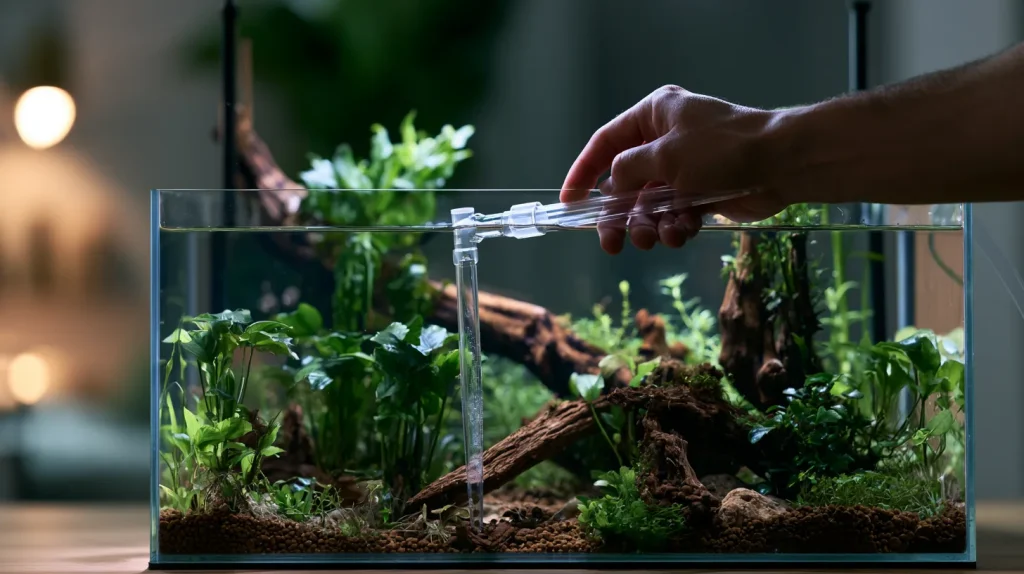
Best for Big Tanks: Python No Spill Clean and Fill
The Python No Spill Clean and Fill is the gravel vacuum people buy after they get tired of buckets.
It hooks to a sink and uses a long hose to drain and refill the aquarium. For large tanks, that is a huge relief. A 55-gallon or 75-gallon tank can turn “quick water change” into a leg workout if you use buckets.
The Python makes sense for:
- 40 gallons and up
- Tanks far from the floor drain
- Owners with several aquariums
- Messy fish like goldfish or large cichlids
- People who delay cleaning because buckets are annoying
That last one matters.
A tool that makes you clean more often is better than a perfect tool you hate using.
The catch is sink fit. You need the right faucet connection. Some modern faucets do not play nicely with adapters. Pull-down sprayer sinks can be awkward. Measure and check before you buy.
You also need to pay attention while refilling. Match temperature by hand, add dechlorinator, and never walk away. I mean it. Water changers make refills easy enough that you can get casual. Casual is how floors get wet.
For a best aquarium gravel vacuum siphon review, the Python is hard to beat for big tanks. It is not the cheapest choice. It is the one that can change your habits.
Best Budget Pick: Laifoo 5-Foot Siphon Cleaner
The Laifoo 5-Foot Siphon Cleaner is a good small-tank tool if your aquarium sits near a bucket.
The squeeze bulb is the reason to care. It starts the siphon without mouth suction. That is cleaner, easier, and less weird. The tube is usually small enough for tanks where a full-size gravel vac feels too aggressive.
I would use this for a 5 to 20-gallon tank, especially with light gravel and small fish.
It is not my pick for a deep 55-gallon tank. The hose is short, the flow is smaller, and you will be there a while. But for small aquariums, gentle flow can be a plus.
Good fit:
- Betta tanks
- Shrimp tanks with care
- Desktop aquariums
- Kids’ tanks with adult help
- Light weekly cleanup
Bad fit:
- Large gravel beds
- Big messy fish
- Tanks far from a bucket
I am a fan of cheap tools when they match the job. This one does.
Best Hand Control: Fluval Aqua Vac Plus
The Fluval Aqua Vac Plus feels more refined than the cheapest siphons.
You get better grip and control, which helps if you are cleaning around plants, rocks, and decorations. That may sound small. It is not. A clumsy gravel vac can uproot plants and scare fish.
This is a nice middle pick for someone who wants a better manual cleaner without stepping up to a sink-connected system.
I like it for medium tanks with mixed areas:
- Open gravel in the front
- Plants in the back
- Driftwood caves
- Feeding mess near one corner
You can work slowly and be more precise. That matters in planted tanks, where you may want to hover over the surface instead of plunging deep into the substrate.
The drawback is price. It costs more than a basic siphon, yet it still requires manual water removal. If your main pain is carrying buckets, this will not fix that. Buy the Python instead.
[PHOTO: realistic photography, aquarium keeper using a clear gravel siphon carefully around rooted cryptocoryne plants and driftwood in a peaceful 20 gallon tank, soft indoor lighting, living room setting, shot on Canon EOS R5 85mm lens, shallow depth of field, calm careful mood –ar 16:9 –style raw –v 6.1 | Alt text: careful gravel vacuum cleaning around aquarium plants]
Best Spot Cleaner: Eheim Quick Vac Pro
The Eheim Quick Vac Pro is not a normal water-change siphon.
It is battery powered and made for spot cleaning debris without draining water. That makes it handy between water changes. It can pick up bits of food, plant crumbs, and visible waste from the surface of the substrate.
This tool is useful if your tank looks dirty two days after a water change. It is also nice for tanks where you do small top-offs and do not want to pull water every time you clean one corner.
But it has limits.
It is not a full gravel vacuum replacement for deep dirty gravel. It will not remove dissolved waste. It will not do your water change. It is more like a dustbuster for the tank bottom.
That is not an insult. A dustbuster is great when you use it for crumbs.
Buy it if you already keep up with water changes and want cleaner-looking substrate between them. Skip it if your gravel bed needs a proper siphon.
Best Powered Cleaner: hygger Electric Gravel Cleaner
Powered gravel cleaners attract two kinds of people.
One group has messy tanks. The other group hates starting siphons.
The hygger Electric Gravel Cleaner can help with both. It uses a motor to pull debris, and many versions come with attachments for sand washing, water changes, or debris filtering.
This can be handy for goldfish tanks, turtle tanks, and aquariums where waste is visible all the time.
There is a catch, of course.
Powered cleaners have more parts. More parts means more rinsing, more storage, and more chances for one little piece to vanish into the cabinet. I am not 100% sure powered cleaners are worth it for most calm community tanks. A simple siphon is faster to clean and harder to break.
For messy tanks, though, I get it.
If your fish produce a lot of waste, a powered cleaner can make quick midweek cleanup less painful. Just do not use it as an excuse to skip water changes. Clean-looking water can still have nitrate.
Gravel, Sand, and Planted Tanks Need Different Cleaning
This is where many lists get too neat.
Substrate changes everything.
Gravel
Gravel is the easiest match for a normal siphon. Push the tube down, let debris lift, then let gravel fall. Work in sections. Do not tear through the whole tank like you are vacuuming carpet before guests arrive.
Clean the dirtiest areas first:
- Feeding spot
- Under decorations
- Around filter intake
- Open corners where waste settles
You do not need to deep-clean every inch every week. In many tanks, rotating sections works better.
Sand
Sand needs a lighter touch.
Do not shove the tube deep unless you want a bucket full of substrate. Hover just above the surface and let waste lift. Pinch the hose if the flow is too strong. A smaller siphon helps.
For sand, I like narrow tubes and slower flow. Big gravel vacs can be too hungry.
Planted Tanks
Planted tanks are tricky because roots live in the substrate.
You can damage roots if you dig too hard. You can also remove useful mulm, which is the soft organic stuff that collects near plant roots. A little mulm is not always bad in a planted tank.
I know that sounds messy. Nature is messy.
For planted tanks, vacuum open areas and skim lightly around roots. Use a turkey baster or small hose for tight spots. If plants grow thick, do not force a big tube through them.
How Often Should You Vacuum Aquarium Gravel?
Most tanks do well with gravel vacuuming during regular water changes.
For many freshwater tanks, that means once a week or once every two weeks. Heavy fish loads may need more. Lightly stocked planted tanks may need less deep cleaning.
Here is my rough schedule:
- Betta tank: light vacuum weekly or biweekly
- Community tank: vacuum sections weekly
- Goldfish tank: vacuum weekly, maybe more
- Shrimp tank: gentle spot cleaning
- Planted tank: skim open areas, rotate sections
Do not chase sterile gravel. That is not the goal.
The goal is to remove extra waste before it breaks down and causes water trouble.
If your nitrate rises fast, your gravel smells bad, or brown gunk clouds up each time fish move around, clean more. If your tank stays stable and plants are rooted thickly, be gentler.
How to Use a Gravel Vacuum Without Making a Mess
Set up before you start.
Get towels. Use a fish-only bucket. Unplug heaters if the water level will drop below them. Keep curious pets and kids back from the bucket, because dirty tank water has a strange way of becoming the most interesting thing in the room.
Start the siphon with a bulb, pump, or sink adapter. Put the wide tube into the gravel. Let gravel rise halfway, then lift the tube so gravel falls back down while waste leaves.
Move slowly.
Fast cleaning stirs up more than it removes.
For small tanks, watch the water level. A strong siphon can pull 25% of the water before you finish one corner. If that happens, stop. Refill with treated water and clean the rest next time.
For big tanks, mark the water level you want to remove. Ten to thirty percent is common, depending on your routine and water tests. I avoid huge surprise water changes unless there is a real reason.
Refill with dechlorinated water near the tank temperature. Fish can handle a small difference. They do not love shock.
What Size Gravel Vacuum Do You Need?
Tube size matters more than brand in many cases.
A small tube gives slower flow and more control. It is better for nano tanks, sand, shrimp, and planted areas.
A medium tube fits most home aquariums. It gives enough pull without draining too fast.
A large tube is for big tanks and heavy gravel beds. It moves water fast. That can be great. It can also make you rush.
Hose length matters too. A short hose is fine for a bucket under the tank. A long hose is better if the bucket sits farther away. Sink systems need enough length to reach without stretching across the room like a trip line.
I have a real opinion here: buy the size for your smallest regular task, not your most dramatic possible cleaning.
If you own one 20-gallon tank, do not buy the monster siphon because it looks serious. You will drain water too fast and hate using it.
Common Mistakes With Aquarium Gravel Vacuums
The first mistake is cleaning too much at once in a neglected tank.
If the gravel is very dirty, go slow. Clean part of the tank, do a normal water change, then come back another day. Stirring a lot of trapped waste can cloud the water and stress fish.
The second mistake is replacing filter media on the same day as a deep gravel clean. Your helpful bacteria live mostly in the filter and on surfaces. Do not disturb every part of the system at once.
The third mistake is using soap on buckets or tubing.
Never.
Use aquarium-only gear. Rinse with warm water. Vinegar can help with mineral marks, but rinse well.
The fourth mistake is vacuuming sand like gravel. Sand is lighter. Hover above it.
The fifth mistake is thinking cleaner fish replace cleaning. Corydoras and snails help with bits of food. They also poop. They are pets, not staff.
My Picks by Tank Setup
For a 5-gallon betta tank, buy a small squeeze-bulb siphon. The Laifoo style works. Keep the flow gentle and clean around the feeding spot.
For a 10-gallon community tank, use a small or medium Aqueon siphon. You want enough pull to lift debris without draining half the tank in two minutes.
For a 20 to 40-gallon planted tank, choose Aqueon or Fluval. Use the tube in open gravel and switch to light hovering near roots.
For a 55-gallon or larger tank, buy the Python if your faucet works with it. Your shoulders will thank you.
For goldfish, go stronger. Goldfish make a mess. Use a Python or a powered helper, and keep water tests honest.
For shrimp, go tiny and slow. Add a sponge or mesh guard if babies are present. Shrimp have a talent for appearing exactly where the siphon is.
FAQ
What is the best aquarium gravel vacuum for a 36 gallon tank?
A medium Aqueon siphon or Fluval Aqua Vac Plus fits a 36-gallon tank well. If the tank is far from a sink and you hate buckets, use a Python-style water changer.
Is a gravel vacuum better than a normal siphon?
A gravel vacuum is a siphon with a wide tube made to clean substrate. A plain hose can drain water, but it does not lift and drop gravel as neatly.
Can I use a gravel vacuum in sand?
Yes, but hover above the sand instead of digging deep. Use slower flow if you can. Pinch the hose to reduce suction when sand starts rising.
How much water should I remove while vacuuming gravel?
For many tanks, 10% to 30% works during normal care. Let your water tests and fish load guide you. Do not drain too much just because the gravel still has one dirty patch.
Do I need the best aquarium gravel vacuum cleaner if I have snails or cory cats?
Yes. Snails and cory cats move and eat bits of food, but they do not remove waste from the tank. They add waste too, because they are alive and rude that way.
The best aquarium gravel vacuum is not always the biggest or most expensive one. It is the tool that fits your tank size, substrate, and patience.
For most people, start with a simple siphon. For large tanks, save your back with a sink-connected system. For planted tanks and sand, slow down. Clean enough to keep the water healthy, but do not turn every water change into a full tank excavation.