
- Best Aquarium Salt by Use
- The Three Kinds of Aquarium Salt
- Best Freshwater Aquarium Salt: API Aquarium Salt
- Best Fish-Only Marine Salt: Instant Ocean Sea Salt
- Best Budget Reef Salt: Instant Ocean Reef Crystals
- Best High-Growth Reef Salt: Red Sea Coral Pro
- Best Premium Reef Salt: Tropic Marin Pro-Reef
- Best Mixed Reef Choice: Fritz RPM
- Best Aquarium Salt for Betta Fish
- Marine Salt Mix vs Reef Salt
- Common Salt Mistakes
- FAQ
- What is the best aquarium salt for freshwater fish?
- Is aquarium salt the same as marine salt?
- What is the best aquarium salt mix for reef tanks?
- Can I use aquarium salt for betta fish?
- Do I top off a saltwater tank with saltwater?
Aquarium salt is either a useful tool or the wrong white powder in the wrong tank.
That sounds dramatic, but I have seen beginners buy marine salt for a betta, freshwater aquarium salt for a saltwater tank, and reef salt for a goldfish treatment. The best aquarium salt depends on the job. Freshwater support, marine water mixing, and reef coral chemistry are three different problems.
Best Aquarium Salt by Use
For freshwater fish support or short-term treatment, API Aquarium Salt is the simple pick. For fish-only saltwater tanks, Instant Ocean Sea Salt is the budget classic. For reef tanks, choose a reef salt like Red Sea Coral Pro, Tropic Marin Pro-Reef, Fritz RPM, or Instant Ocean Reef Crystals, depending on your coral needs and budget.
| Product & Model | Best For | The Big Win | The Catch | Price Tier |
|---|---|---|---|---|
| API Aquarium Salt | Freshwater support | Simple freshwater use | Not for reefs | Budget |
| Instant Ocean Sea Salt | Fish-only marine | Cheap and proven | Lower reef levels | Budget |
| Instant Ocean Reef Crystals | Budget reefs | Extra reef elements | Can mix high | Mid-Range |
| Red Sea Coral Pro | Fast coral growth | Elevated reef levels | Needs careful matching | Premium |
| Tropic Marin Pro-Reef | SPS reef tanks | Clean balanced mix | Higher cost | Ultra-Premium |
| Fritz RPM Salt Mix | Mixed reefs | Consistent reef targets | Batch testing smart | Premium |
The Three Kinds of Aquarium Salt
There are three common things people mean by aquarium salt.
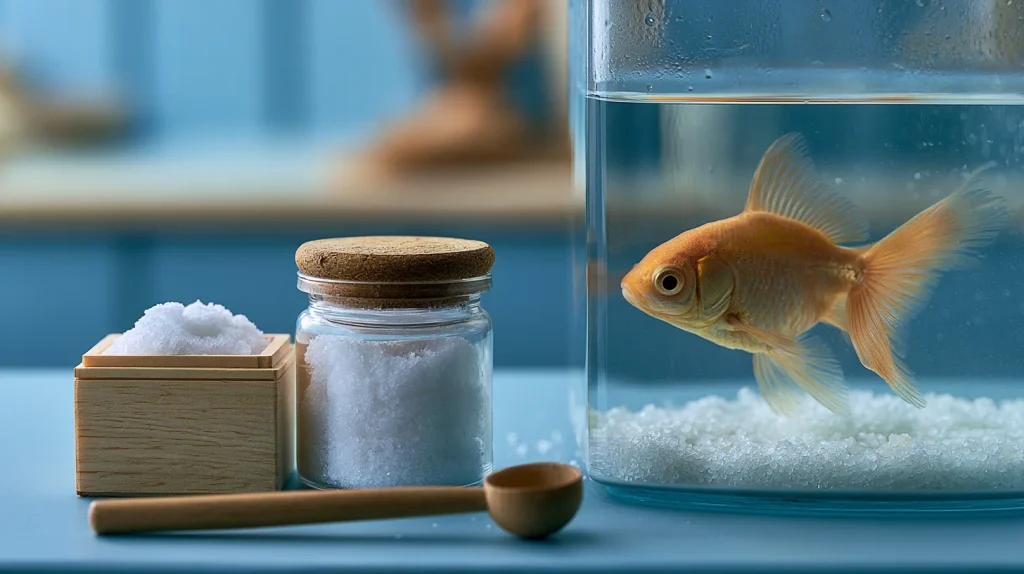
Freshwater aquarium salt is mostly sodium chloride. It is used in some freshwater tanks for short-term support, nitrite stress, mild external issues, or hospital tanks. It does not create ocean water.
Marine salt mix creates saltwater for marine fish. It contains sodium chloride plus many other minerals found in seawater.
Reef salt mix creates saltwater with calcium, alkalinity, magnesium, and trace elements aimed at coral tanks.
These are not interchangeable.
That is the whole article hiding in one sentence.
Freshwater aquarium salt will not keep clownfish alive in a marine tank. Reef salt is not something I would casually add to a freshwater betta tank. Table salt from the kitchen may contain additives you do not want in the aquarium.
Buy for the job.
Best Freshwater Aquarium Salt: API Aquarium Salt
API Aquarium Salt is the standard freshwater salt many stores carry.
It is simple, cheap, and easy to dose. Freshwater keepers use it for certain treatment situations, quarantine tanks, goldfish support, livebearer tanks, and nitrite stress support.
But I do not use it as a daily tonic in every freshwater tank.
That advice gets repeated a lot: add salt because it helps fish. I disagree as a blanket rule. Many freshwater fish do not need salt all the time. Some plants, shrimp, snails, and soft-water fish may not like it. Salt also does not evaporate, so it can build up if you keep adding it without removing it through water changes.
API Aquarium Salt is useful when used with purpose:
- Hospital tanks
- Some ich support plans
- Nitrite stress support
- Goldfish treatment tanks
- Livebearers that tolerate harder mineral-rich water
Be careful with:
- Corydoras
- Loaches
- Tetras from soft water
- Shrimp
- Snails
- Planted tanks
Salt is a tool, not a vitamin.
Best Fish-Only Marine Salt: Instant Ocean Sea Salt
Instant Ocean Sea Salt is the classic marine salt mix.
It has been used for fish-only saltwater tanks for ages. It is affordable, widely available, and good enough for many marine fish systems.
If you are setting up a fish-only saltwater aquarium or a FOWLR tank, this is a sensible starting point. FOWLR means fish only with live rock.
The catch is reef chemistry.
Instant Ocean Sea Salt can work for some simple coral tanks, but reef owners often want higher calcium, alkalinity, and magnesium levels or more consistent reef targets. That is where reef salts come in.
Use Instant Ocean Sea Salt for:
- Fish-only marine tanks
- Quarantine tanks
- Budget saltwater systems
- Beginners learning salinity
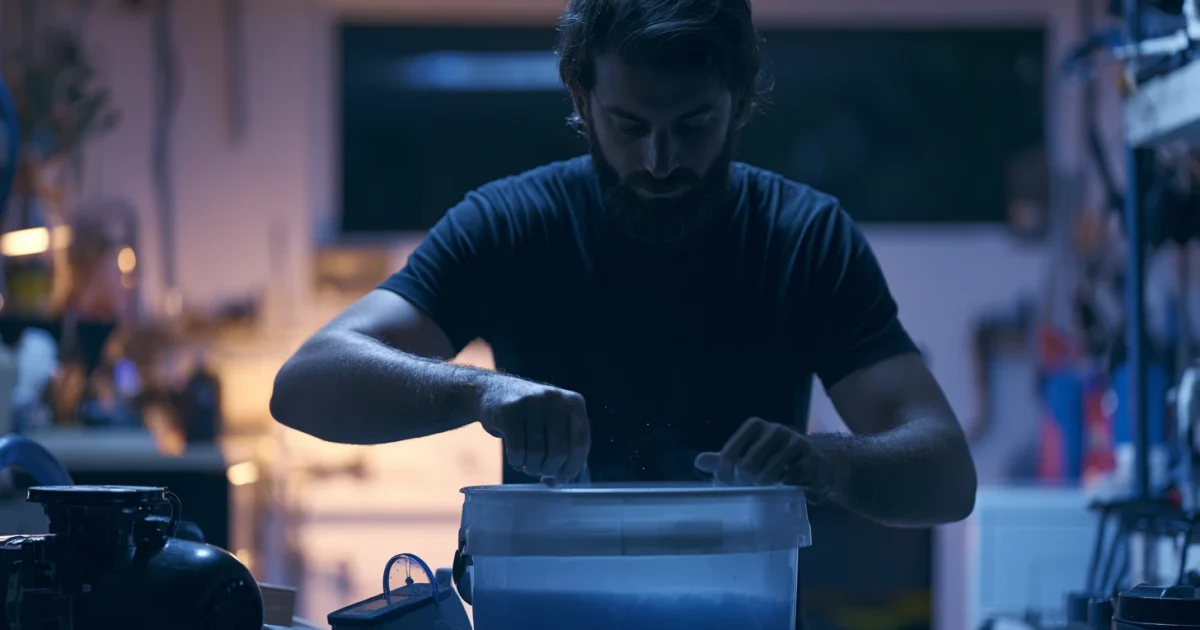
Do not mix it and toss it straight into a tank with fish. Mix saltwater in a separate container with a pump, heater if needed, and a salinity checker. Match salinity and temperature before water changes.
Best Budget Reef Salt: Instant Ocean Reef Crystals
Reef Crystals is the reef-focused version many budget reef keepers use.
It is easy to find, not wildly expensive, and made with elevated reef elements compared with basic marine salt. For soft coral and mixed reef tanks, it can work well.
The catch is consistency and target levels.
Some reef keepers find it mixes with higher alkalinity than they want. That may be fine if your tank consumes alkalinity fast. It may be annoying if your tank runs lower levels and you do large water changes.
Test your freshly mixed saltwater.
That is not overkill. It tells you what you are putting into the tank.
Reef Crystals is best for:
- Budget reef tanks
- Soft coral tanks
- Mixed reefs
- Beginners who want reef salt without premium cost
If you run a delicate SPS tank, you may want a salt with tighter targets.
Best High-Growth Reef Salt: Red Sea Coral Pro
Red Sea Coral Pro is popular with reef keepers who want elevated calcium, alkalinity, and magnesium for coral growth.
It can be a good match for tanks with fast-growing corals that consume elements quickly. It is also a common choice for reef owners who want water changes to add more than just clean saltwater.
The catch is that high levels are not always better.
If your tank normally runs lower alkalinity, a big water change with high-alk salt can swing parameters. Corals do not love sudden changes.
This is where reef salt choice becomes less about “best” and more about matching your tank.
I would use Red Sea Coral Pro for:
- Mixed reefs with good growth
- LPS and soft coral tanks needing higher levels
- Tanks with steady testing
- Owners who understand alkalinity
I would not use it blindly in a low-nutrient SPS tank without checking targets.
Best Premium Reef Salt: Tropic Marin Pro-Reef
Tropic Marin Pro-Reef has a premium reputation for clean mixing and balanced reef targets.
It is often chosen by reef keepers who care about stability, especially in SPS-heavy systems. SPS corals can be fussy. They like stable alkalinity, calcium, magnesium, salinity, light, and flow.
This salt is not cheap.
That is the catch. For a simple clownfish tank, it is more than you need. For a serious reef where small swings matter, the cost may make sense.
I am not 100% sure every beginner should spend premium money on salt before buying good test kits and a refractometer. I would rather see accurate salinity and steady water changes with a decent salt than premium salt mixed by guesswork.
Use Tropic Marin Pro-Reef if:
- You keep SPS corals
- You test regularly
- You want balanced targets
- Cost is less painful than instability
Best Mixed Reef Choice: Fritz RPM
Fritz RPM is a strong reef salt for mixed tanks.
It aims for reef-friendly levels without feeling as extreme as some high-growth mixes. Many reef keepers like it for consistency and clean mixing.
It fits a tank with soft corals, LPS, and some SPS where you want steady water changes and predictable numbers.
Still, test a new bucket.
Salt mixes can vary by batch, settle in the bucket, or mix differently depending on water temperature and mixing time. Roll or stir dry salt in the bucket before first use if the manufacturer allows it, because minerals can settle during shipping.
Never mix salt directly in the aquarium with animals inside.
That mistake sounds rare until you spend enough time in fish groups.
Best Aquarium Salt for Betta Fish
Bettas do not need salt all the time.
This is another common advice point I push back on.
Aquarium salt can be used short-term in some betta treatment plans, but it should not be a permanent default. Bettas are freshwater fish. They need warm, clean water more than they need routine salt.
Salt can also hurt live plants and some tank mates.
If you use aquarium salt for a betta, use it in a hospital tank unless you know the display setup can handle it. Dose carefully. Watch the fish. Stop if stress appears.
For many betta problems, the better first steps are:
- Test ammonia and nitrite
- Warm the water
- Improve water changes
- Reduce stress
- Identify the disease
Salt is not a diagnosis.
Marine Salt Mix vs Reef Salt
Marine salt mix makes saltwater.
Reef salt also makes saltwater, but with coral needs in mind.
Fish-only tanks care most about stable salinity, pH, and basic water quality. Reef tanks also care about calcium, alkalinity, magnesium, nitrate, phosphate, and trace elements.
For marine aquariums, salinity is often measured with specific gravity or parts per thousand. Many reef tanks run around natural seawater levels near 35 ppt, but fish-only systems may run slightly lower depending on the plan.
Use a refractometer or reliable digital salinity checker.
Swing-arm hydrometers can work, but they can also be off if bubbles or salt creep interfere. I prefer a calibrated refractometer.
Common Salt Mistakes
The first mistake is using table salt.
Do not.
The second mistake is treating freshwater aquarium salt like marine salt. It lacks the full mineral mix marine fish need.
The third mistake is adding salt directly to a tank with fish. Undissolved salt can irritate animals.
The fourth mistake is topping off evaporation with saltwater. In saltwater tanks, water evaporates but salt stays. Top off with fresh water, usually RO/DI.
The fifth mistake is not testing salinity.
The sixth mistake is adding freshwater salt forever without tracking buildup.
You have probably noticed salt is simple until it is not.
Measure it. Mix it. Test it.
FAQ
What is the best aquarium salt for freshwater fish?
API Aquarium Salt is the simple freshwater pick. Use it only when appropriate, such as certain treatment or support situations.
Is aquarium salt the same as marine salt?
No. Freshwater aquarium salt is mostly sodium chloride. Marine salt mix contains many minerals needed to make saltwater.
What is the best aquarium salt mix for reef tanks?
Instant Ocean Reef Crystals, Red Sea Coral Pro, Tropic Marin Pro-Reef, and Fritz RPM are all strong reef salt options. Pick based on your target levels.
Can I use aquarium salt for betta fish?
Sometimes, short term, for specific issues. Bettas do not need salt all the time, and planted or shrimp tanks may not tolerate it.
Do I top off a saltwater tank with saltwater?
No. Top off evaporation with fresh RO/DI water. Salt stays in the tank when water evaporates.
The best aquarium salt is the one that matches the water you are trying to create.
Use freshwater aquarium salt with care. Use marine salt for saltwater fish. Use reef salt for coral systems. Salt can help, but only when you respect the label and measure like the tank depends on it. Because it does.