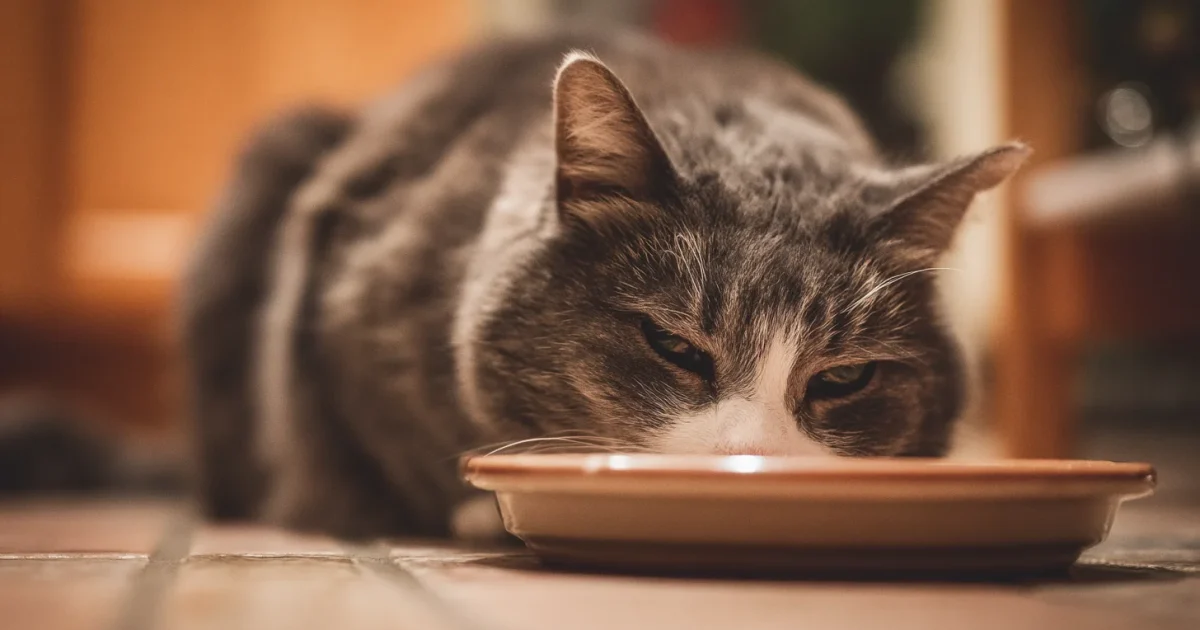

My cat Leo ate Fancy Feast Classic Chicken for four years straight. Then one day — nothing. Sniffed it, walked away, looked at me like I’d personally insulted him. I spent the next three weeks cycling through seven brands before I figured out it wasn’t the flavor he’d rejected. It was the texture. The formula had changed slightly, and he noticed before I did.
That experience taught me more about wet cat food than any pet nutrition article ever did.
The best wet cat food isn’t a single product. It’s the right product for your specific cat — their age, digestion, preferences, and honestly, their mood on any given Tuesday. This post covers what we found after testing 12 brands across four cats with very different needs.
What Actually Makes Wet Cat Food Good
Before the brand breakdown, you need to know what to look for on the label. Because most packaging is designed to sell, not inform.
Moisture content matters. Good wet food sits between 75–82% moisture. That water isn’t filler — cats have a naturally low thirst drive and get most of their hydration from food. Dry kibble is about 8–12% moisture. That gap has real consequences for kidney health over time.
Protein should come first. The first ingredient should be a named meat — chicken, turkey, salmon, beef. Not “meat by-products.” Not “poultry meal.” A real protein source with a name.
Look for AAFCO statement. It should say something like “formulated to meet AAFCO nutritional profiles.” This means the food meets minimum standards for a complete and balanced diet. Treat or supplemental foods don’t carry this, and feeding them as a main meal causes nutritional gaps.
Taurine — an amino acid — is one you want confirmed in the formula. Cats can’t make it themselves, and a deficiency leads to serious heart and eye problems. Most commercial wet foods include it, but it’s worth checking on cheaper or lesser-known brands.
The Texture Problem Nobody Talks About
Here’s something the big listicle sites skip entirely: your cat might not be rejecting the brand. They might be rejecting the texture.
Pâté is smooth and dense. It packs more calories per ounce and is the easiest to eat — great for kittens and senior cats who don’t chew well. It also has the most consistent moisture distribution.
Chunks in gravy or jelly are higher in aroma, which makes them appealing to picky eaters at first. But there’s a real behavioral trap: cats sometimes lick all the sauce and leave the meat. If your cat does this, they’re getting hydration and flavor but missing the protein and taurine. That’s not a quirky habit — it’s a nutrition problem.
Shredded and flaked textures sit in the middle. They feel more like actual prey to a cat’s mouth. Cats with texture sensitivity often accept shreds when they refuse both pâté and chunks.
My honest take: if your cat consistently leaves the chunks behind, switch to pâté. Don’t try to train a cat out of this behavior. It rarely works.
The 12 Brands We Tested
We ran these across four cats: a 2-year-old indoor domestic shorthair, a 9-year-old senior with early kidney issues, a 6-month-old kitten, and a 5-year-old rescue with a sensitive stomach and a history of vomiting after eating too fast.
Purina Pro Plan Complete Essentials (Pâté)
The one I recommend most often. High protein, named meat as first ingredient, AAFCO complete for all life stages. The pâté texture is smooth enough for kittens but dense enough to keep seniors at a healthy weight. Our kitten demolished it. The senior tolerated it well.
The price is mid-range — not budget, not boutique. And Purina Pro Plan has more peer-reviewed nutrition research behind it than most brands in this category. That matters to me.
Hill’s Science Diet Adult 7+ (Senior Cats)
Designed specifically for cats 7 and older. Lower phosphorus matters here — aging kidneys struggle to process excess phosphorus. The formula also has added L-carnitine to help maintain muscle mass, which seniors lose faster than younger cats.
Our 9-year-old ate it well, and her vet actually asked what we’d changed at her next checkup. Her coat looked better within about six weeks.
The downside: it’s on the pricier end, and some cats find the texture a bit firm compared to other pâtés. Warming it slightly (10 seconds in the microwave, then stir to check for hot spots) helped our cat accept it more readily.
Royal Canin Digestive Care (Sensitive Stomach)
This one is polarizing in the cat community, and I get it. The ingredient list includes some items that look like filler to the grain-free crowd. But the digestibility research behind Royal Canin is genuinely strong, and our sensitive-stomach rescue cat had fewer vomiting episodes on this than anything else we tried.
The thin slices in gravy format also slows some cats down — they spend more time chewing, which can reduce vomiting from eating too fast.
Not my first choice for a young, healthy cat. But for digestive issues, it delivers.
Fancy Feast Classic Pâté
Budget-friendly and widely available. The Classic line (not the “Gourmet” broths or the creamy varieties) has a solid nutritional profile for the price. High moisture, real meat listed first, AAFCO complete.
The honest caveat: ingredient quality is lower than premium brands. There are more by-products in the mix. For a healthy adult cat with no sensitivities, that’s probably fine. For a cat with a sensitive stomach or a history of allergies, I’d go elsewhere.
But for tight budgets? It beats most options at that price point. Don’t let anyone tell you Fancy Feast Classic is irresponsible feeding — that’s pet food snobbery.
Tiki Cat After Dark
High protein, human-grade ingredients, and a texture cats tend to accept easily. The “After Dark” line uses organ meats — heart, liver, kidney — which are nutrient-dense and closer to what a cat would eat in the wild.
Some cats are obsessed with it. Others won’t touch it because the organ meat smell is stronger than standard poultry. Worth a single can before buying in bulk.
Wellness CORE Signature Selects
Good for cats who want gravy-style food but whose owners want to avoid the “lick and leave” problem. The chunks are larger and more substantial, so most cats actually chew them rather than swallow the sauce and quit.
Grain-free, high protein, no carrageenan (a thickening agent some vets suggest avoiding for cats with GI issues). Mid-to-high price range.
Smalls Human-Grade (Subscription)
The most expensive option we tested. Subscription-based, human-grade ingredients, gently cooked. Genuinely impressive nutrition profile.
The issue: price and convenience. Not everyone can spend $50+ per month on cat food, and delivery timing can be a pain. If budget isn’t a concern and you want top-tier ingredients, this delivers. But it’s not a realistic daily option for most households.
Merrick Purrfect Bistro
Strong ingredients, real meat first, grain-free options available. Our healthy 2-year-old ate this well across multiple flavors. Good variety pack for figuring out what your cat prefers before committing to cases.
Instinct Original Pâté
High protein (around 10% on a dry matter basis, which is solid for wet food), cage-free poultry, no grain or potato. Good for cats that do well with richer, denser food. Not ideal for cats prone to weight gain — the calorie density is higher than average.
Open Farm Rustic Blend
The sustainability angle here is real, not marketing. Ethically sourced proteins, traceable ingredients by lot number. The texture is a thick stew rather than pâté or standard chunks.
Our sensitive-stomach cat had mixed results. Some flavors worked fine. The salmon variety caused loose stool. Individual results vary, and fish-forward formulas can be harder on sensitive systems than poultry.
Purina ONE Natural Variety Pack
A solid mid-budget option that comes in gravy, sauce, and broth formats. Great for testing texture preferences without a huge financial commitment. The variety pack lets you figure out what your cat actually likes before buying 24 cans of something they’ll reject.
Blue Buffalo Tastefuls
Good ingredients, reasonable price, widely available in pet stores and online. The “Natural” line avoids artificial colors and preservatives. Not our top pick for any specific category, but a reliable everyday option for cats without special needs.
Best Wet Cat Food for Specific Needs
Indoor cats: Calorie-controlled options like Hill’s Science Diet Indoor or Purina ONE Indoor help prevent weight gain in less active cats. Indoor cats move less. Their food should reflect that.
Kittens: Look for AAFCO “growth” or “all life stages” designation. Purina Pro Plan Kitten Pâté or Wellness CORE Kitten are solid. Higher fat and protein than adult formulas — don’t substitute adult food until six months minimum, and honestly one year for most breeds.
Weight loss: Pâté formats let you measure portions accurately. Gravy-style foods make portion control harder because the volume is misleading. Reduce slightly, add a little warm water to increase volume and satiety, and track weekly weight rather than daily.
Senior cats (7+): Reduced phosphorus, added omega-3s, soft texture. Hill’s Science Diet 7+ and Royal Canin Senior Consult are both solid. If your senior has any kidney markers at all — even borderline — discuss phosphorus levels specifically with your vet.
Sensitive stomach or vomiting: Try a limited-ingredient formula with a single protein source first. Chicken is most common, which means it’s also the most common allergen. If chicken-based foods are failing, try turkey or duck. Purina Pro Plan Sensitive Skin & Stomach, Royal Canin Digestive Care, or a hydrolyzed protein formula (ask your vet) are the places to start.
How to Switch Foods Without a War
Cats notice changes. Don’t swap cold turkey (pun intended). Go slow.
- Days 1–3: 75% old food, 25% new food
- Days 4–6: 50/50
- Days 7–9: 25% old, 75% new
- Day 10+: full new food
If your cat refuses to eat for more than 24 hours during a switch, slow down. If they refuse for 48 hours, go back to the previous food entirely and try again later. A cat that stops eating completely for more than two days can develop a dangerous liver condition called hepatic lipidosis — it’s not just pickiness, it’s a real health risk.
Room temperature food also helps. Cold food straight from the fridge is less aromatic and less appealing. Let it sit out for 10–15 minutes, or warm it briefly and stir well.
The Budget Question
Good wet food doesn’t have to be expensive. Fancy Feast Classic, Purina ONE, and Blue Buffalo Tastefuls all provide solid nutrition at accessible prices. The idea that budget cat food is always harmful is not supported by evidence — it’s supported by premium brand marketing.
That said, the cheapest options (think store-brand or discount grocery store wet food) sometimes cut corners on protein content or use lower-quality by-products in ways that affect digestibility. The sweet spot for most cats is mid-range: Pro Plan, Merrick, Wellness, or similar brands that balance ingredient quality and cost.
If you’re feeding multiple cats, buying in bulk from Chewy’s autoship or Amazon Subscribe & Save can cut costs 15–20% on brands that are already reasonably priced.
FAQ
My cat only licks the gravy and leaves the rest — what do I do? Switch to pâté. The “lick and leave” behavior means your cat is getting mostly water and flavoring, not the protein they need. Pâté doesn’t have a separate sauce layer, so this behavior becomes impossible. Most cats transition fine with a gradual switch.
Is wet food every day actually necessary, or can I mix with dry? You don’t have to feed wet food exclusively, but it genuinely helps with hydration — especially for cats prone to urinary tract issues or kidney problems. A mixed diet (some wet, some dry) works well for many cats. Even one wet meal a day makes a difference.
Why does my cat suddenly refuse food she loved for years? A few possibilities: the formula changed (happens more often than brands admit), the batch tasted different, your cat is going through a health issue that affects appetite, or they’ve simply developed a preference change. Try a fresh can from a different lot, warm it slightly, and if refusal lasts more than 48 hours, call your vet.
What does “complete and balanced” actually mean on cat food? It means the food meets AAFCO minimum nutritional standards for either “maintenance” (adult cats) or “all life stages” (kittens and adults). Foods labeled “for supplemental feeding only” or “treat” don’t meet these standards and shouldn’t be a cat’s primary food source.
Is grain-free wet food actually better for cats? Not necessarily. Cats are obligate carnivores and don’t need grain, but a small amount of grain in wet food isn’t harmful. The more important question is whether the protein content is high and named. Some grain-free formulas substitute potato or pea protein, which isn’t better — just different. Focus on the protein percentage and the first ingredient, not just the grain-free label.
Picking the right wet food comes down to your actual cat — not the one in the brand’s marketing photos. Start with protein source, check the AAFCO statement, match the texture to how your cat eats, and adjust for age and health. Then buy one can before committing to a case. Leo eventually went back to pâté. A different brand, similar flavor. He’s been eating it daily for eight months now.
So far.