
- The Best Goldfish Tank for Most Owners
- Goldfish Bowls Are the Problem, Not the Fish
- Best Overall for Fancy Goldfish: Aqueon 40-Gallon Breeder
- Best Premium Display: SeaClear 40-Gallon Acrylic
- Best Large Glass Setup: Marineland 75-Gallon Ensemble
- Best Budget Starter: Aqueon 20-Gallon Long
- Best Filtration Upgrade: Fluval FX2 Setup
- Best Budget Big-Water Option: Rubbermaid Stock Tank
- Common Goldfish vs Fancy Goldfish
- Best Goldfish Tank Setup
- Do Goldfish Need a Heater?
- Water Changes and Testing
- Goldfish Tank Mates
- FAQ
- What is the best goldfish tank size?
- Are goldfish bowls bad?
- Do goldfish need a filter?
- Can goldfish live with plants?
- Is a 10-gallon tank okay for a goldfish?
A goldfish bowl is one of the most successful bad ideas in pet history.
It looks sweet. It is easy to sell. It also traps a messy, growing fish in a tiny volume of water that can go wrong fast. The best goldfish tank gives your fish room to turn, swim, breathe, and survive its own waste. That last part is not cute, but it matters more than the castle decoration.
The Best Goldfish Tank for Most Owners
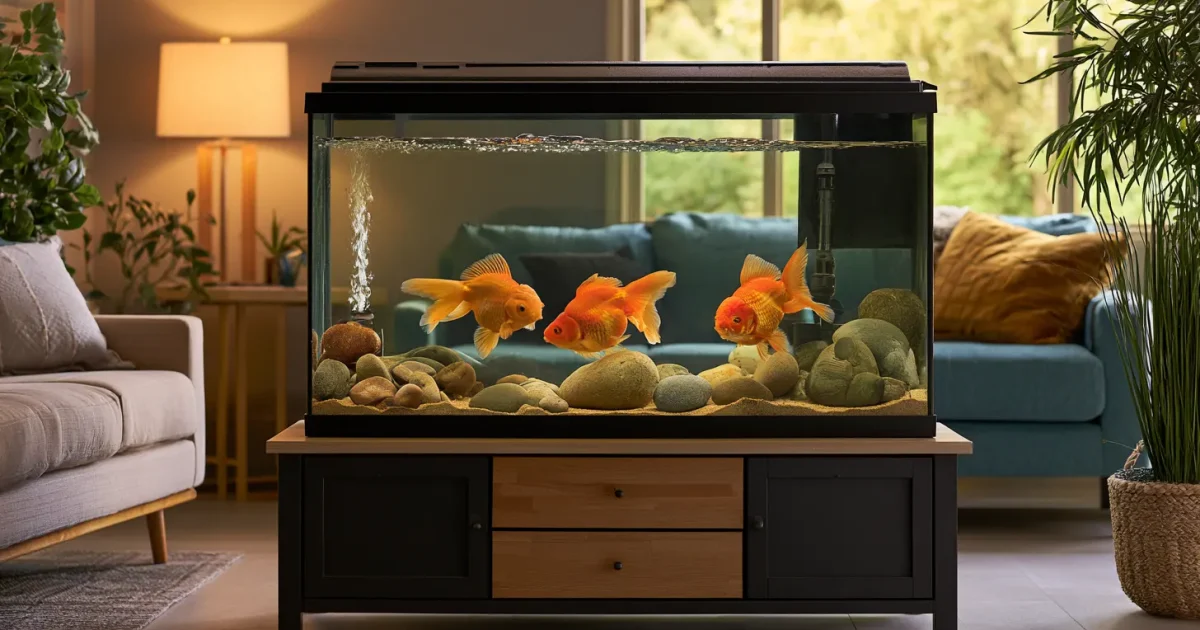
For most beginners keeping fancy goldfish, I would start with a 40-gallon breeder aquarium or a SeaClear 40-gallon acrylic tank if weight matters. For common, comet, or shubunkin goldfish, skip small tanks and plan for a much larger aquarium or pond. A 20-gallon tank can work as a starter for one young fancy goldfish, but it is not a forever home for most goldfish.
| Product & Model | Best For | The Big Win | The Catch | Price Tier |
|---|---|---|---|---|
| Aqueon 40-Gallon Breeder | Fancy goldfish | Wide swimming space | Gear sold separate | Mid-Range |
| SeaClear 40-Gallon Acrylic | Weight concerns | Lighter than glass | Scratches easier | Premium |
| Marineland 75-Gallon Ensemble | Common goldfish | Serious water volume | Needs floor space | Premium |
| Aqueon 20-Gallon Long | One young fancy | Cheap starter size | Upgrade likely | Budget |
| Fluval FX2 Filter Setup | Messy tanks | Strong filtration | Not a tank kit | Premium |
| Rubbermaid Stock Tank | Budget pond-style | Huge water volume | Not display furniture | Budget |
Goldfish Bowls Are the Problem, Not the Fish
Goldfish are not dirty because they are bad pets.
They are dirty because they eat well, grow big, and produce a lot of waste. That waste becomes ammonia, and ammonia is toxic. A small bowl gives the waste nowhere to dilute and gives helpful filter bacteria almost no stable place to do their job.
I know someone will say, “My goldfish lived in a bowl for years.”
Maybe. Some fish survive rough care. That does not make the setup good. A person can survive on vending machine food too. We still know better.
Goldfish need:
- Large water volume
- Strong filtration
- Good oxygen at the surface
- Room to swim and turn
- Regular water changes
- Food that does not foul the water
Bowls fail most of that list.
The goldfish bowl vs tank debate is not close. A tank wins because it gives you space for a filter, safer water, and enough room for the fish to act like a fish.
Best Overall for Fancy Goldfish: Aqueon 40-Gallon Breeder
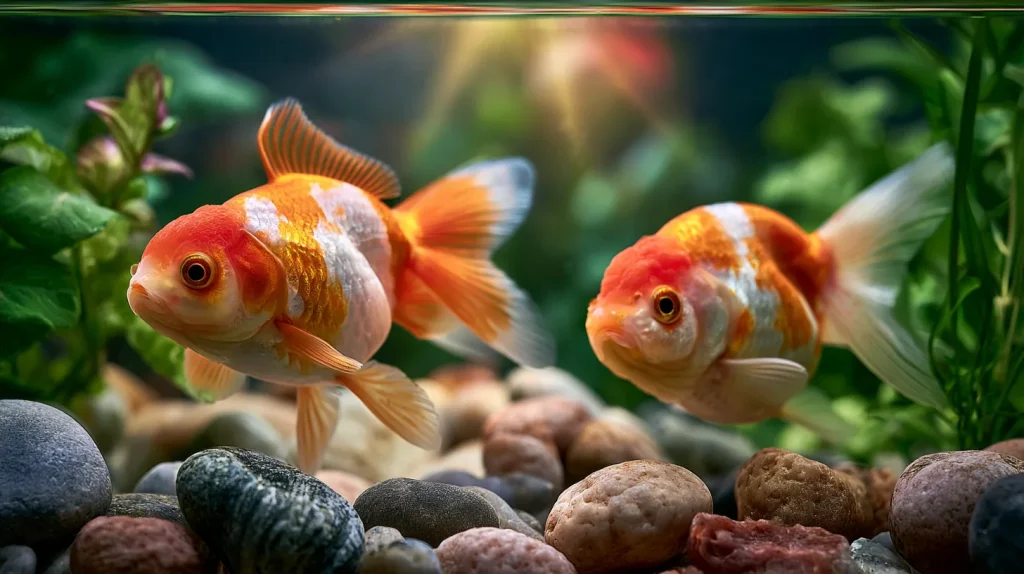
The Aqueon 40-Gallon Breeder is my favorite practical goldfish tank for fancy goldfish.
The shape is the reason. It is wide and roomy, not tall and narrow. Fancy goldfish are not sleek athletes. Orandas, ranchu, fantails, ryukins, and black moors can be slower swimmers. A wide tank lets them move without fighting depth or tight turns.
It also gives you more surface area, which helps oxygen exchange. Goldfish like oxygen-rich water. More surface movement helps too.
The catch is that a bare tank needs gear.
You need a stand, lid, filter, light if you want plants or display brightness, substrate if you use it, and water conditioner. That can feel less convenient than a boxed kit. But with goldfish, I prefer choosing the filter yourself.
Goldfish filters need muscle.
For a 40-gallon goldfish tank, I would rather over-filter than under-filter. Use a strong hang-on-back filter, canister filter, or two filters if needed. Just make sure fancy goldfish are not blasted around by current.
This tank is best for:
- Two small fancy goldfish with planning
- One larger fancy goldfish with comfort
- Owners who want a real long-term setup
- People who can buy proper filtration
It is not enough for a full-grown comet goldfish long term. Commons and comets belong in bigger tanks or ponds.
Best Premium Display: SeaClear 40-Gallon Acrylic
Acrylic tanks are lighter than glass.
That matters if you worry about weight, stairs, or moving the tank later. The SeaClear 40-Gallon Acrylic gives you good viewing and less weight than a glass tank of similar size.
The look is clean. The corners can feel smooth and bright. For a living room fancy goldfish setup, it can be lovely.
The catch is scratching.
Acrylic scratches more easily than glass. Goldfish tanks get algae. Algae needs cleaning. Cleaning tools can scratch acrylic if you are careless. Sand or gravel trapped in a scrubber can leave marks that make you mutter words your fish should not hear.
Use acrylic-safe cleaning pads. Be gentle.
This tank fits someone who wants a nicer display and accepts careful maintenance. It does not remove the need for strong filtration or water changes.
No tank material does that.
Best Large Glass Setup: Marineland 75-Gallon Ensemble
A 75-gallon aquarium gives goldfish owners room to breathe.
For common or comet goldfish, it may still be only part of the long-term plan, but it is much closer to fair than a small tank. For fancy goldfish, 75 gallons can be a wonderful setup.
The Marineland 75-Gallon Ensemble style is popular because it gives you a display tank and stand package. You still need proper goldfish filtration, but the base setup looks like furniture instead of a science project.
I like 75 gallons for:
- Several fancy goldfish
- One or two young commons while planning bigger space
- Owners who want fewer water swings
- Goldfish keepers tired of constant nitrate problems
The downside is size. It is heavy. It needs a level stand. It takes real space. Water changes use real water. You should think before putting it upstairs or on weak flooring.
But the fish benefit.
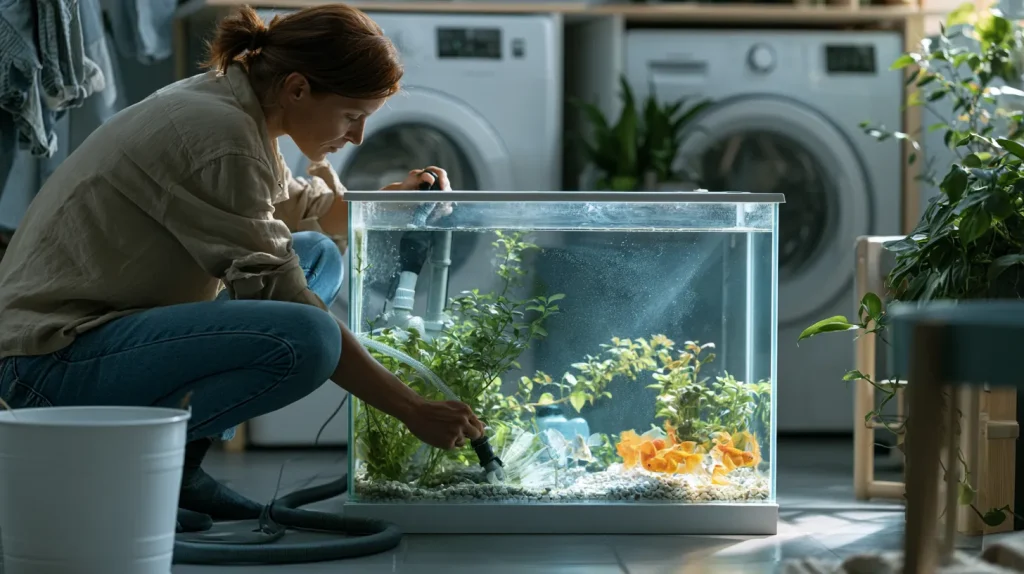
More water means ammonia and nitrate build slower. Temperature shifts slower. The tank gives goldfish room to grow.
That is the pattern with goldfish care. Bigger is not just prettier. It is easier on the fish and, often, easier on you.
Best Budget Starter: Aqueon 20-Gallon Long
A 20-gallon long tank is the smallest goldfish setup I can discuss without making a face.
Even then, it is a starter for one young fancy goldfish, not a forever mansion. It gives more horizontal room than a tall 20-gallon and costs less than bigger tanks.
If you already have a baby fancy goldfish and need to get out of a bowl fast, a 20-long can be a rescue step.
That is the key phrase: rescue step.
Do not buy three goldfish for this tank. Do not put a comet in it and call it done. Do not skip filtration because the tank seems “not that big.”
Use strong filtration, test water, and plan the upgrade.
I would rather see a goldfish move from a bowl to a 20-long today than wait months for the perfect setup. But I would also tell the owner the truth: this is likely not the final tank.
Best Filtration Upgrade: Fluval FX2 Setup
The Fluval FX2 is not a tank. It is a canister filter.
It belongs in this ranking because filtration can make or break a goldfish tank.
Goldfish produce a lot of waste. A small filter rated for a lightly stocked tropical tank may not keep up. Canister filters give you more space for media, which means more room for helpful bacteria and mechanical waste trapping.
The FX2 can be a strong match for medium to large goldfish tanks. It moves plenty of water and holds more media than many hang-on-back filters.
The catch is flow and cleaning.
Fancy goldfish do not love being shoved around. Aim the output so it moves the surface without turning the tank into a treadmill. You also need to clean mechanical media often enough that trapped waste does not rot inside the filter.
I like canister filters for goldfish, but I do not think they excuse overstocking.
A strong filter helps. It does not shrink the fish.
Best Budget Big-Water Option: Rubbermaid Stock Tank
This is not pretty living room advice.
It is useful advice.
A Rubbermaid stock tank can give goldfish a lot of water for less money than a display aquarium. Many fishkeepers use stock tanks indoors, in garages, basements, fish rooms, or covered patios.
Goldfish do not care that it is not Instagram furniture.
They care about water volume, oxygen, filtration, and stable care.
This setup can be great for:
- Growing goldfish
- Rescue fish
- Common goldfish
- Budget pond-style care
- Temporary holding during upgrades
The catch is viewing. You look from the top, not through glass. It also needs safe filtration, aeration, and a secure location. If you have kids or pets, plan covers and placement carefully.
I am not 100% sure every casual owner wants this look. Most do not. But if the choice is a tiny tank or a big stock tank, the fish votes for the big water every time.
Common Goldfish vs Fancy Goldfish
This is where goldfish advice gets messy.
Common goldfish, comet goldfish, and shubunkins are long-bodied. They swim fast and grow large. These are pond fish for many owners. A small aquarium is usually a bad long-term match.
Fancy goldfish have rounder bodies, shorter shapes, or special features like head growth, telescope eyes, or double tails. They often stay smaller than commons, but they still need large clean tanks.
Fancy types include:
- Fantail
- Oranda
- Ranchu
- Ryukin
- Black moor
- Telescope
Commons can reach sizes that surprise people. Fancy goldfish can still become chunky, waste-heavy fish.
That tiny orange fish at the store is not the adult version.
That is the part bowls hide.
Best Goldfish Tank Setup
A good goldfish tank setup starts with space, then filtration.
Use a cycled tank before adding fish if you can. Cycling means growing helpful bacteria that process ammonia and nitrite. If you already have fish, test water often and do careful water changes while the filter matures.
Substrate is optional. Bare-bottom tanks are easy to clean. Sand can look natural and is easier for goldfish to sift than sharp gravel. Large gravel can trap waste.
Decor should be smooth. Goldfish are clumsy in a charming way. Fancy types with telescope eyes or head growth can bump into sharp objects.
Plants are possible, but goldfish may eat or uproot them.
Try tough plants:
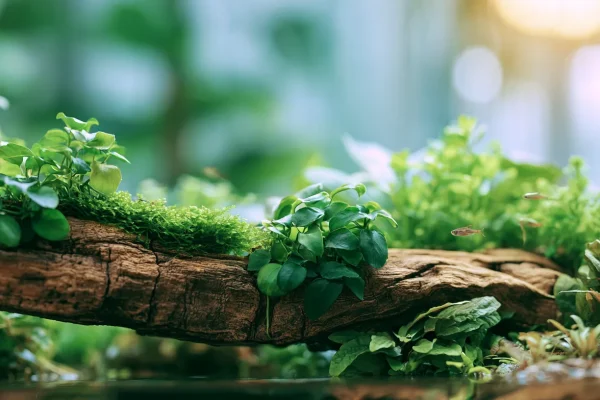
- Anubias
- Java fern
- Hornwort
- Water sprite
- Pothos roots above the tank
Do not plant toxic houseplants in the water. Roots only for safe species like pothos, and keep leaves above the water.
Do Goldfish Need a Heater?
Most goldfish do not need a heater in a normal home.
They are cool-water fish. They do well at room temperatures that stay stable. The problem is not usually lack of heat. The problem is sudden swings.
Fancy goldfish may prefer slightly warmer, steadier water than pond-type commons. Sick fish may need warmer water for treatment. But a heater is not a default need the way it is for bettas.
Use a thermometer.
Do not guess.
If your home gets very cold at night, a heater or different room may help keep things stable. If the room gets hot, focus on oxygen and cooling.
Water Changes and Testing
Goldfish need regular water changes because nitrate builds up.
How often? That depends on tank size, fish size, filter strength, feeding, and test results. Many goldfish tanks need weekly water changes. Some need more.
Test:
- Ammonia
- Nitrite
- Nitrate
- pH
Ammonia and nitrite should be zero in a cycled tank. Nitrate should be kept under control with water changes and stocking choices.
I do not trust “the water looks clear” with goldfish.
Goldfish can make clear water unsafe. They are talented like that.
Goldfish Tank Mates
Goldfish are social, but tank mates are not simple.
Other goldfish are often the best choice, if the tank is large enough and the types match. Do not mix fast commons with slow delicate fancies in a small tank. The faster fish may outcompete the slower fish for food.
Avoid tropical fish that need warm water. Avoid fin nippers. Avoid small fish that could fit in a goldfish mouth.
Snails can work, but goldfish may bother them. Some plants work until the goldfish decide lunch has leaves.
The best tank mate is more water volume.
That joke is dry, but also true.
FAQ
What is the best goldfish tank size?
For fancy goldfish, start around 20 gallons for one young fish, but 40 gallons or more is better. Common and comet goldfish need much larger tanks or ponds.
Are goldfish bowls bad?
Yes, for long-term care. Bowls are too small, hard to filter, and can build waste fast. A filtered tank is much safer.
Do goldfish need a filter?
Yes. Goldfish produce a lot of waste. A strong filter helps process ammonia and keeps the water clearer between water changes.
Can goldfish live with plants?
Yes, but they may eat or uproot many plants. Tough plants like anubias, Java fern, hornwort, and water sprite have better odds.
Is a 10-gallon tank okay for a goldfish?
Only as a very short-term emergency setup for a small young fish. It is not a good long-term goldfish home.
The best aquarium goldfish setup is roomy, filtered, and easy to clean.
Skip the bowl. Buy more tank than the fish looks like it needs today. Goldfish grow, eat, dig, and produce waste with impressive confidence. Give them water volume and filtration, and the whole hobby gets kinder.