
- Best sponge filter for betta and shrimp tanks
- Why sponge filters work so well
- Sponge filter for betta tanks
- Best filter for shrimp tank setups
- Fine sponge vs coarse sponge
- Single sponge, dual sponge, or corner sponge
- Air pump choice matters more than people say
- How to set up a sponge filter
- Cleaning without killing the filter
- What sponge filters cannot do
- Best sponge filter for axolotl tanks
- Sponge filters as pre-filters
- Cheap sponge filters: where to save and where not to
- FAQ
- What is the best sponge filter for betta fish?
- Are sponge filters good for shrimp tanks?
- Can a sponge filter be too strong?
- How often should I clean a sponge filter?
- Do sponge filters need an air pump?
The best sponge filter is the one your betta does not fight and your shrimp babies cannot disappear into.
That sounds simple. It is not always simple in the store aisle. Sponge filters look almost too basic. Foam, tube, bubbles. Then you get home and realize you still need an air pump, airline tubing, a check valve, maybe a control valve, and some way to stop the bubbles from sounding like soup.
I like sponge filters a lot. I use them in betta tanks, shrimp tanks, hospital tanks, and any setup where I want gentle, steady filtration. But I do not think they are magic. They are cheap aquarium filter workhorses with limits.
For 2026, I would still rather see a nervous new betta owner start with a sponge filter than a tiny HOB filter that blasts the fish around the tank.
Best sponge filter for betta and shrimp tanks
For most small freshwater tanks, I like a coarse dual sponge filter with a lift tube and weighted base. The Aquarium Co-Op style coarse sponge filter is a strong example. So are simple dual sponge filters from brands like Hygger, Pawfly, and Aquarium Technology Inc., depending on what size you need.
My quick picks:
- Best for betta tanks: small coarse sponge filter with adjustable air flow
- Best for shrimp tank: dual sponge filter with fine enough foam to protect babies
- Best for 5 gallon betta tank: small single sponge filter
- Best for 10 gallon aquarium: medium sponge filter or small dual sponge
- Best for 20 gallon tank: medium to large sponge filter, or two small sponges
- Best for large aquarium backup: large coarse sponge filter powered by a strong air pump
I care more about shape, foam, and flow than brand name. That may be my most annoying opinion here.
A famous sponge filter with wild bubbling is worse for a betta than a plain cheap sponge tuned correctly.
Why sponge filters work so well
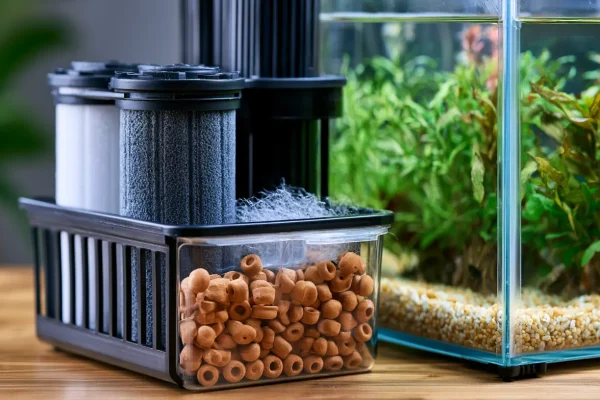
A sponge filter pulls water through foam using bubbles from an air pump. The foam catches debris. It also gives helpful bacteria a place to live. Those bacteria process fish waste, which helps keep ammonia and nitrite from building up.
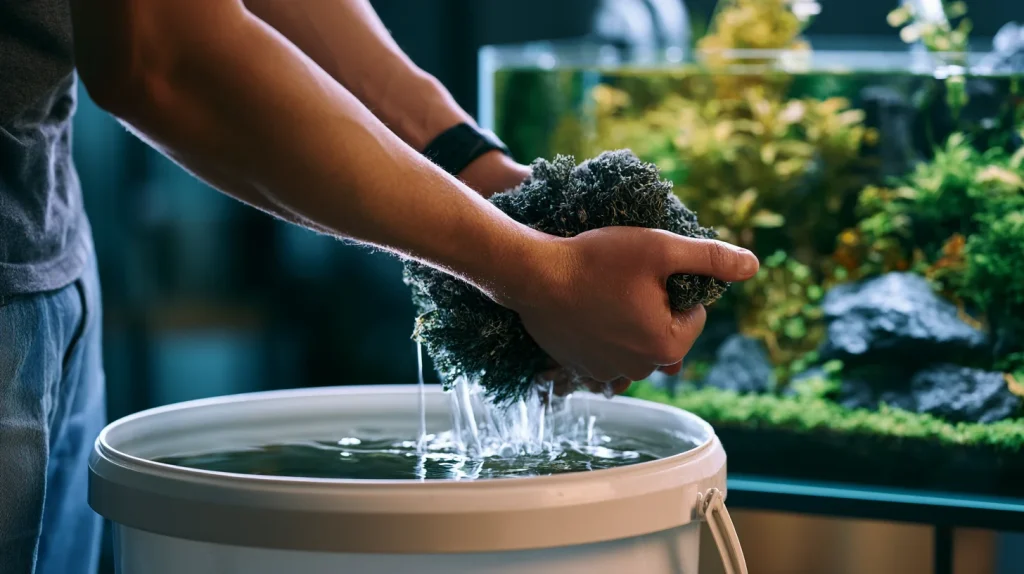
Plain version: the sponge becomes a little living filter.
That is why you should not scrub it like a dirty dish.
Sponge filters are great for:
- Bettas
- Shrimp
- Fry
- Hospital tanks
- Quarantine tanks
- Low-flow planted tanks
- Backup biological filtration
They are not great for removing every tiny floating speck. They also do not hide well unless plants cover them. And they do not give you much chemical media space.
That is fine. No filter does every job well.
Sponge filter for betta tanks
Bettas have a funny way of making bad flow obvious. A strong current pushes their fins around, wears them out, and can make them hide. Some bettas learn to avoid the flow. Some wedge themselves behind plants like they are filing a complaint.
A sponge filter for betta tanks should bubble gently. The water surface should move, but the fish should not have to brace itself.
For a 5 gallon betta tank, choose a small sponge. Bigger is not always kinder. A giant sponge with a strong pump can make a small tank feel busy.
For a 10 gallon betta tank, a medium sponge works well. If your betta has huge fins, use an air control valve. Turn the bubbles down until the fish can rest anywhere in the tank.
This is where I disagree with a common bit of advice: “More filtration is always better.”
No. Better filtration is better. More flow can be worse.
A betta tank needs stable water and oxygen. It does not need a bubble column that makes the fish look like it lives near a boat motor.
Best filter for shrimp tank setups
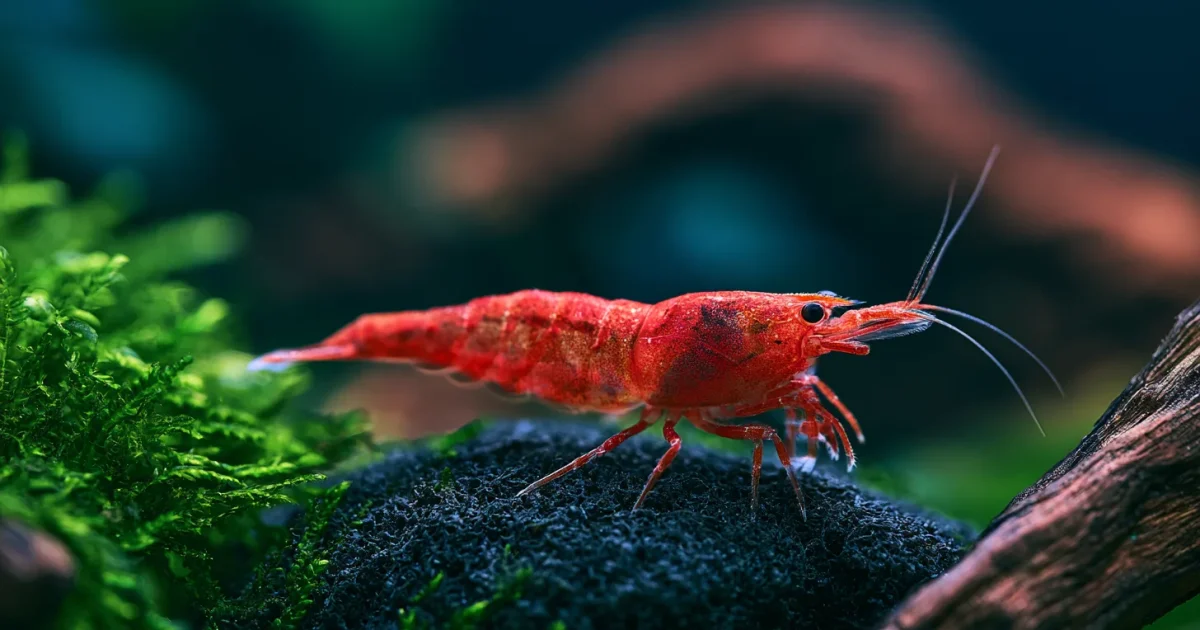
Shrimp are tiny, nosy, and very good at finding danger. A sponge filter protects them from intake suction. It also grows biofilm, the soft film of tiny life shrimp graze on all day.
For shrimp tanks, I like dual sponge filters. Two sponges give you extra surface area. They also let you clean one sponge while the other stays mature.
That staggered cleaning matters.
Shrimp tanks can be sensitive. Big changes cause stress. Cleaning both sponges hard on the same day can remove too much helpful bacteria and biofilm.
For a 10 gallon shrimp colony, a small dual sponge is enough. For a 20 gallon shrimp tank, use a medium dual sponge or two single sponges placed apart.
If the bubbles are too strong, add an air valve. If the shrimp gather on the sponge all day, do not panic. That is normal. They are eating from it.
Fine sponge vs coarse sponge
Fine sponge catches smaller debris. It also clogs faster.
Coarse sponge lets water move more freely. It is easier to rinse and tends to run longer between cleanings.
For bettas, coarse sponge is usually fine. The goal is gentle biological filtration, not crystal polish.
For shrimp babies, I lean a bit finer or use a sponge with small enough pores that babies are safe. Many coarse sponges are still safe for shrimp, but very open foam can make me nervous in a breeding tank.
For messy fish, coarse sponge wins. A fine sponge in a messy tank can clog and slow down fast.
I am not 100% sure there is one perfect pore size for every shrimp colony. Baby shrimp are tiny, and brands do not always explain foam density in a useful way. If you breed expensive shrimp, choose safer foam and watch the intake behavior closely.
Single sponge, dual sponge, or corner sponge
Single sponge filters are compact. They are best for bettas, small tanks, hospital tanks, and backup filters.
Dual sponge filters give you more media surface and cleaning flexibility. They are great for shrimp, fry, and 10 to 20 gallon tanks.
Corner sponge filters sit neatly in a corner and can hide behind plants. Some are bulkier, but they can give good surface area without taking over the tank.
There are also weighted sponge filters that sit flat and lift tube models that stand upright. I prefer weighted bases because floating sponge filters are deeply annoying. You set the tank up, turn around, and the sponge has wandered off like it pays rent.
For a best sponge filter for small aquarium search, do not overbuy. A huge sponge in a 5 gallon tank steals swimming space and looks silly. For a best sponge filter for large aquarium, use multiple sponges or a large model as backup beside a HOB or canister.
Air pump choice matters more than people say
The sponge filter is only half the setup. The air pump decides how loud and pushy the filter feels.
A cheap pump can work. It can also buzz on a wooden shelf until you want to move house.
Look for:
- Adjustable air flow or use a control valve
- Enough outlets for your filters
- Rubber feet
- A check valve in the airline
- Placement above the tank or protected from back-siphon
The check valve is small but useful. It helps stop water from running backward down the airline during a power cut. Do not skip it, especially if the pump sits below the tank.
To quiet a pump, place it on a mouse pad, folded towel, or foam pad. Keep it dry and stable. Do not wrap it so tightly that heat builds up.
If the bubbles are loud, adjust the air flow. A smaller air stone inside some sponge filters can make finer bubbles, but not every design needs one.
How to set up a sponge filter
Rinse the sponge in dechlorinated water or old tank water. Attach the lift tube. Connect airline tubing from the pump to the sponge filter. Add a check valve in the right direction. Plug in the pump.
Then watch the flow.
The bubbles should rise smoothly. The surface should ripple. Fish should swim normally. Plants should not bend like they are in a storm.
If the sponge floats, squeeze it under water to push trapped air out. If it still floats, the base may be too light. Some people wedge it with rock or decor, but be careful not to block the sponge.
For a new tank, the sponge is not cycled on day one. It needs time to grow bacteria. You still need to cycle the aquarium or move a mature sponge from a healthy tank.
Cleaning without killing the filter
A sponge filter should look a little dirty. That is normal.
Clean it when flow slows, debris builds up, or the sponge looks packed with gunk. For many tanks, that might be every two to four weeks. Shrimp tanks may go longer. Messy tanks may need weekly rinsing.
Use old tank water from a water change. Squeeze the sponge gently until the worst dirt comes out. Do not use soap. Do not boil it. Do not blast it under hot tap water.
You are cleaning a living filter, not a dinner plate.
If you have two sponges, clean one at a time. Leave the other alone until the next water change. This keeps more bacteria in place.
I once over-cleaned a sponge filter because I wanted it to look new. The tank did not crash, but the next test showed a small nitrite bump. That was enough to cure me of the shiny-sponge urge.
What sponge filters cannot do
They do not polish water like a fine pad in a HOB filter. They do not hold much carbon. They do not remove every smell or discoloration. They do not create strong flow across a long tank.
This is why a sponge filter can be perfect in a 10 gallon betta tank and weak in a 75 gallon messy community tank.
Use the right tool.
For large aquariums, sponge filters work well as backup or extra biological filtration. I like keeping one running in an established tank so I can move it to a quarantine tank when needed.
That mature sponge can save you stress later.
Best sponge filter for axolotl tanks
Axolotls need gentle flow and clean water. Sponge filters can help because they do not create harsh current. But axolotls are messy, so a sponge filter alone may not be enough for every setup.
For an axolotl tank, I would use a large sponge filter, possibly with another filter that has baffled flow. Keep the tank cool. Keep up with water changes. Watch waste buildup.
The filter should not push the axolotl around. It should also not be so weak that waste sits in corners.
That balance can be tricky.
Sponge filters as pre-filters
A sponge can sit over the intake of a HOB or canister filter. This is one of my favorite small upgrades.
It protects shrimp and fry. It catches plant bits. It keeps larger gunk out of the main filter. It also adds more bacteria surface.
Rinse it often. A clogged pre-filter can slow the main filter and make you think the whole thing is failing.
For planted tanks, a dark sponge intake blends in better than a bright plastic strainer. After a few weeks, plants and algae make it less obvious.
Cheap sponge filters: where to save and where not to
Cheap sponge filters can be fine. Foam is foam, up to a point.
Where I do not like to save money is the air pump. A loud pump makes the whole tank feel cheap. It also makes people turn the filter down too far or unplug it at night, which is bad.
Check the sponge for odd chemical smells before use. Rinse it well. Make sure the base is stable. Avoid brittle plastic that cracks during setup.
For a cheap aquarium filter in a betta or shrimp tank, a sponge filter is one of the best buys in the hobby. Just budget for the full setup:
- Sponge filter
- Air pump
- Airline tubing
- Check valve
- Air control valve
That last part is the caveat. The filter may cost a few dollars, but the full setup costs more than the sponge alone.
FAQ
What is the best sponge filter for betta fish?
A small sponge filter with adjustable air flow is best for most bettas. Keep the bubbles gentle. If the betta struggles to rest, turn the air down or move the filter.
Are sponge filters good for shrimp tanks?
Yes. Sponge filters are one of the safest choices for shrimp because they protect babies from intake suction and grow biofilm for grazing.
Can a sponge filter be too strong?
Yes. The sponge may be gentle, but the air pump can still create too much movement. Use an air control valve to soften the bubbles.
How often should I clean a sponge filter?
Clean it when flow slows or debris builds up. Many tanks need cleaning every two to four weeks. Rinse it in old tank water, not hot tap water.
Do sponge filters need an air pump?
Most do. The air pump drives bubbles through the lift tube, which pulls water through the sponge. Some sponge filters can run on a powerhead, but air pumps are more common.
A sponge filter will never look fancy. That is part of the charm. It sits there, hums along, grows bacteria, feeds shrimp, and gives a betta calm water. In a hobby full of gear that promises too much, a plain sponge doing its quiet little job feels pretty refreshing.