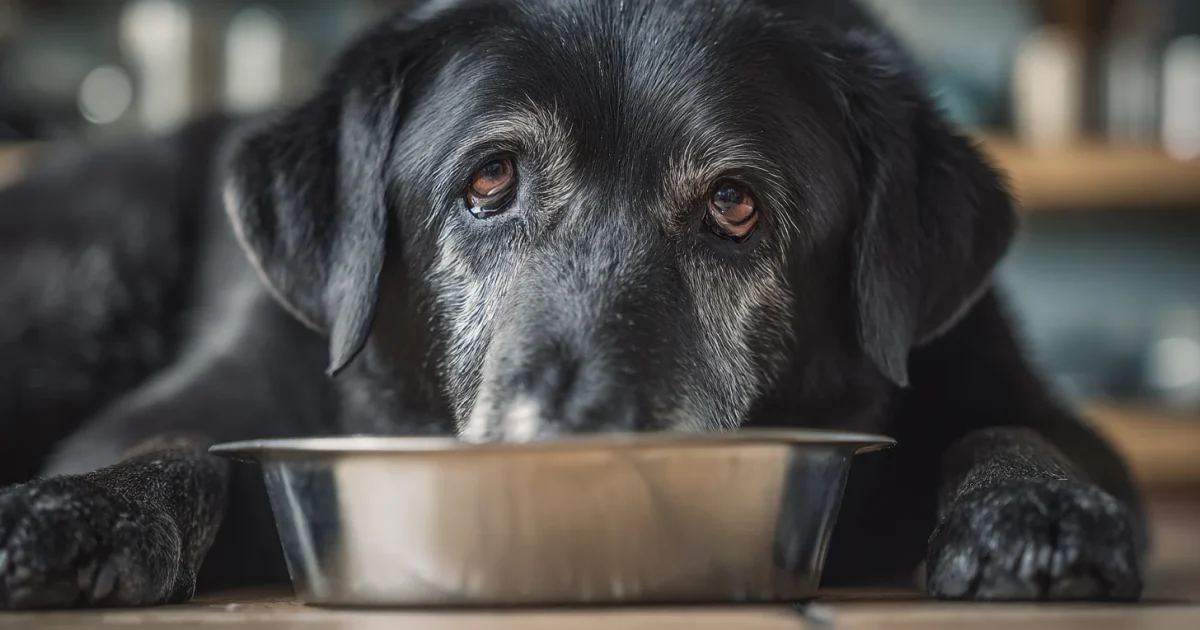

My dog Archie turned nine last spring. I noticed it slowly — he’d pause on the stairs, leave food in his bowl some mornings, sleep past 8 AM. The vet said he was healthy. But something felt off.
I went down a rabbit hole on senior dog food. And I came out the other side genuinely frustrated. Not with the food options, but with how much bad advice is out there — often printed right on the bag.
If your dog is hitting 7 (or already past it), here’s what you actually need to know about the best dog food for senior dogs before you buy anything.
The Biggest Lie on Senior Dog Food Bags
Almost every “senior formula” on the shelf is lower in protein than adult food. The marketing logic goes like this: old dogs move less, need fewer calories, so cut the protein.
That’s outdated thinking. And it may actually be harming your dog.
Here’s what the research actually says: senior dogs often need more high-quality protein, not less. As dogs age, they lose muscle faster. This process — called sarcopenia — happens in dogs just like it does in people. Protein is what slows it down.
The old concern was kidney disease. For decades, vets prescribed low-protein diets to dogs with failing kidneys. That thinking spread to healthy senior dogs too. But current veterinary nutritionists are clear: a healthy older dog with normal kidney function does not need protein restriction. The issue with kidneys is phosphorus, not protein.
If your dog has been diagnosed with actual kidney disease, that’s a different conversation. Talk to your vet. But for the average healthy 8-year-old Lab? Feeding them a low-protein “senior” diet might be doing more harm than good.

I’m not saying every senior formula is junk. I’m saying read the label, not the age-based marketing.
When Does a Dog Actually Become “Senior”?
The 7-year rule is a rough average. Reality is messier.
Giant breeds like Great Danes age faster. Many vets classify them as senior around 5 or 6. Small breeds tend to age slower — a 10-pound Chihuahua might not hit true senior territory until 9 or 10.
A better signal than age? Watch for these:
- Slower to get up after lying down
- Leaving food more often
- Weight changes without a change in how much you’re feeding
- Cloudiness in the eyes
- Coat quality changes
When you see two or more of these, it’s worth both a vet visit and a food reassessment. The calendar is a starting point, not the whole story.
What to Actually Look for in the Best Senior Dog Food
Protein — and protein quality
Look for a named protein source as the first ingredient. Chicken, turkey, salmon, beef. Not “meat meal” or “poultry by-product” as the primary source.
Dry matter protein should be at least 25–30% for most healthy seniors. Some nutritionists argue for even higher. The digestibility matters too — fresh and minimally processed proteins tend to absorb better as dogs age because senior digestive systems aren’t as efficient.
Joint support
Glucosamine and chondroitin show up in a lot of senior formulas. These two compounds support cartilage — the cushioning tissue in joints. Not every dog needs them supplemented in food, but if your dog shows stiffness or is a large breed, they’re worth having.
Omega-3 fatty acids (especially from fish oil or whole fish) also help. They reduce inflammation, which matters a lot for aging joints.
Calories — but thoughtfully
Most senior dogs do need fewer calories than they did at 3 years old. Less activity means less energy burned. Weight gain in older dogs stresses joints and organs.
But some seniors go the other way. Older dogs sometimes lose weight because they eat less, absorb nutrients less well, or have an underlying issue. If your dog is losing weight, a lower-calorie senior formula is the last thing they need.
This is why you can’t just grab the bag that says “senior” and call it done. You need to actually look at your dog.
Digestibility and fiber
Senior dogs tend to have more sensitive stomachs. The best senior dog food for sensitive stomachs typically includes prebiotic fiber (like beet pulp or chicory root) and sometimes probiotics. These help keep the gut working well.
If your dog has always had a touchy stomach, look for limited ingredient formulas. Fewer components means fewer chances for something to cause a reaction.
Best Senior Dog Food Picks by Category
These are the foods I’ve recommended to friends or tried myself. I’m not going to pretend I’ve fed all of them long-term — but I’ve researched each one seriously and these are my honest take.
Best overall: The Farmer’s Dog Fresh, human-grade, and formulated specifically for your dog’s age and size. The protein quality is exceptional. It’s expensive — I won’t pretend otherwise. But if budget allows, this is hard to beat for a senior dog who needs every nutrient they can absorb. Great option if you’re also looking for the best senior dog food for joint health, since the fresh proteins come with naturally occurring omega-3s.
Best dry food: Purina Pro Plan Bright Mind Adult 7+ This is the one vets keep recommending and there’s a reason for it. The formula includes enhanced botanical oils that have shown cognitive benefits in clinical studies. If your older dog seems a bit “foggy” or confused at times, this is worth considering. The protein content holds up well for a kibble.
Best for sensitive stomachs: Hill’s Science Diet Adult 7+ Sensitive Stomach & Skin Easily digestible, rice-and-chicken based, with added vitamin E and omega-6s for coat health. The best senior dog food for sensitive stomachs should be both gentle and complete — this one checks both. It’s been tested in feeding trials, which matters.
Best for large breeds: Royal Canin Large Breed Adult 8+ Specifically formulated with large-breed aging in mind. Lower phosphorus, glucosamine and chondroitin baked in, and a kibble size that slows down fast eaters. Large breeds age faster and are more prone to joint issues, so the targeted formula actually makes sense here.
Best for small breeds: Royal Canin Small Aging 12+ Small dogs live longer, so their senior nutrition window starts later. This formula is designed for the specific challenges of small-breed seniors — maintaining a healthy weight, dental support, and coat condition. If you have a Pomeranian, Maltese, or Shih Tzu in their golden years, this is a solid pick.

Best for weight management: Purina Pro Plan Weight Management 7+ If your senior dog has gotten chunky — and a lot of them do — this formula cuts calories without sacrificing protein. That balance is hard to find. The best senior dog food for weight loss keeps muscle on while helping shed fat. This one does that.
Best budget option: Iams ProActive Health Mature Adult Not fancy. Not fresh. But it’s AAFCO-compliant, has solid protein content, and the price is honest. If you’re feeding a larger dog and cost is a real factor, this holds up better than most cheap options.
Wet Food, Dry Food, or Both?
I get this question a lot.
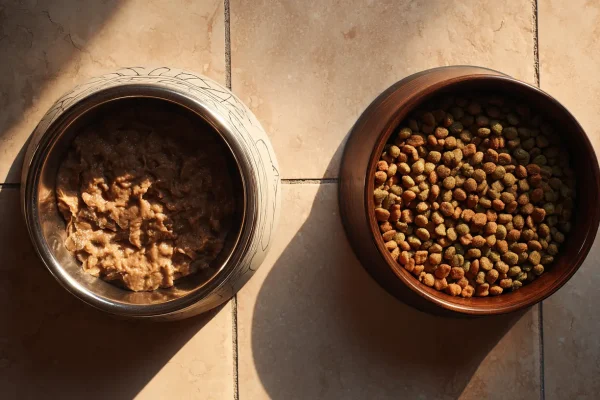
My actual opinion: mixing is usually better for seniors. Here’s why. Older dogs often lose some of their sense of smell and taste. A dry kibble that they used to inhale may suddenly sit in the bowl untouched. Adding a spoonful of wet food on top brings the smell and palatability back.
Wet food also adds moisture, which helps senior kidneys. Most dogs don’t drink enough water. A diet with some wet food built in closes that gap a little.
The downside of all-wet is cost and dental hygiene. If your dog already has dental issues, talk to your vet about dental chews or brushing — don’t skip dry food entirely just to make meals easier.
A simple approach that works: quality dry food as the base, a tablespoon or two of wet food mixed in. Simple, affordable, and your dog will probably eat better.
A Note on “Senior” Labels
Here’s something worth knowing: the word “senior” on a dog food bag has no regulated definition in the United States. There’s no rule that says a food labeled “senior” has to meet any specific standard different from adult food.
Some senior foods are genuinely better formulated for older dogs. Some are just adult food repackaged with a grey dog on the front.
The AAFCO statement on the bag is what actually matters. Look for one that says “complete and balanced” and is formulated for “maintenance” or “all life stages.” If it says “for supplemental feeding only” — avoid it as a primary diet.
Check the first five ingredients. Check the guaranteed analysis for protein. Don’t let the marketing do all the thinking.
FAQ
My vet said my senior dog doesn’t need senior food — should I switch anyway? Your vet is probably right. If your dog is healthy, an adult formula with high-quality protein may serve them better than a senior formula that cuts protein unnecessarily. Talk through your dog’s bloodwork and body condition before making a change.
How do I switch my senior dog to new food without upsetting their stomach? Go slowly. Start with 75% old food, 25% new food for three to four days. Then 50/50. Then 75% new. Then full switch. Senior stomachs are less tolerant of sudden changes than younger dogs.
What’s the best senior dog food for a dog that’s started losing weight? First, get a vet check. Weight loss in seniors can signal thyroid issues, dental pain, or kidney disease. Once those are ruled out, focus on a high-calorie, high-protein food — not a “weight management” formula. Fresh food like The Farmer’s Dog or Ollie can help here because of the higher digestibility.
Is grain-free food better for senior dogs? Not necessarily. The FDA raised concerns a few years back about a possible link between grain-free diets and a heart condition called dilated cardiomyopathy (DCM) in dogs. The research is still evolving and no definitive cause has been proven, but most vets lean toward grain-inclusive foods unless your dog has a diagnosed grain allergy. When in doubt, go with what your vet recommends.
How often should I feed my senior dog? Twice a day is the standard recommendation for adults and seniors. Some older dogs do better with three smaller meals if they have digestive issues or are prone to bloat (especially large breeds). Watch how your dog handles their current schedule and adjust from there.
Archie eats twice a day now — a good protein-forward kibble with a little wet food mixed in, and a fish oil capsule broken over his bowl every morning. He’s still slow on the stairs. But he finishes his bowl every time.
That’s usually a good sign.