
- The Part Nobody Tells You: A 7-Year-Old and a 12-Year-Old Need Different Food
- What to Actually Look for on the Label
- Best Senior Cat Food Options Worth Knowing
- Wet vs. Dry: Here's My Actual Opinion
- The Weight Problem Goes Both Ways
- What About Digestion?
- Joint Support — the Quiet Issue
- Indoor vs. Outdoor Senior Cats
- FAQ
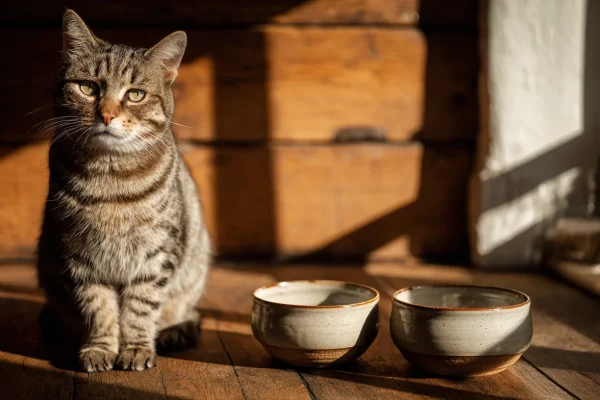
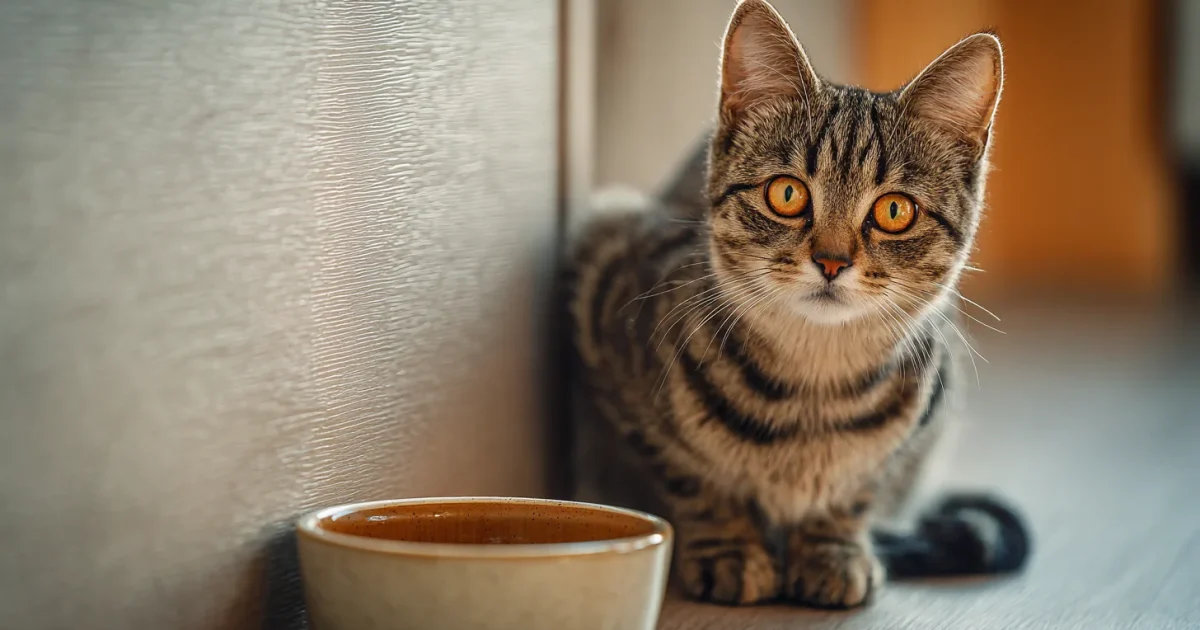
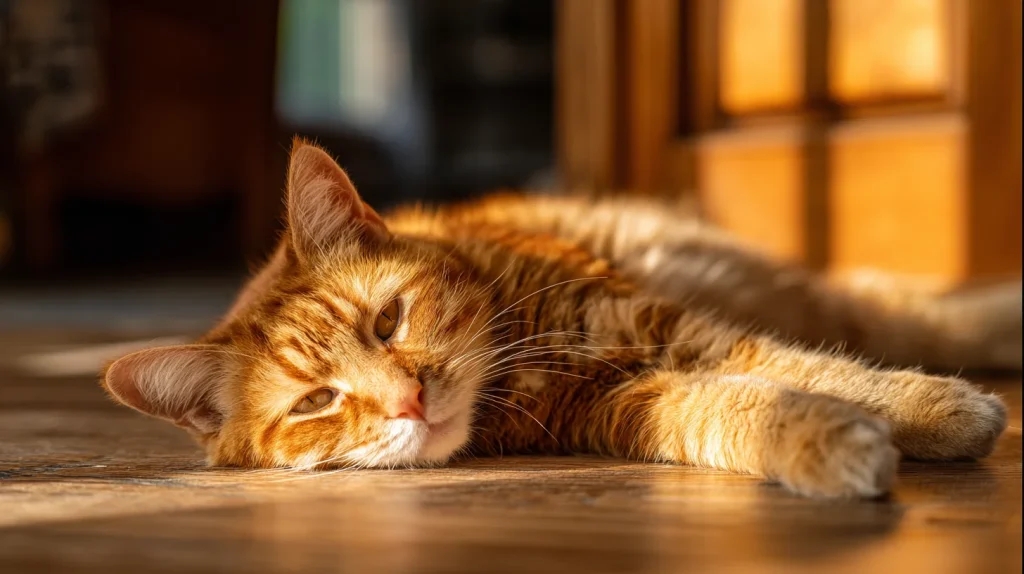
My cat Miso turned 11 last spring. I noticed it first in her food bowl — she’d walk over, sniff it, and walk away. Same food she’d eaten for three years. Nothing had changed. Except her.
That’s usually how it starts. Not a dramatic health scare. Just a slow, quiet shift you almost miss until you’re Googling “why won’t my senior cat eat” at midnight.
Finding the best senior cat food sounds simple until you realize the word “senior” on a pet food label means almost nothing. There’s no legal standard for it. A brand can slap “senior formula” on any bag and call it done. Which means figuring out what your older cat actually needs falls entirely on you.
Here’s what I’ve learned — from Miso, from years of reading nutrition research, and from a lot of trial and error.
The Part Nobody Tells You: A 7-Year-Old and a 12-Year-Old Need Different Food
This is the gap in almost every article about the best senior cat food for older cats, so I’m putting it first.
A cat at 7 is not the same as a cat at 12. They’re in completely different biological phases, and they need different nutrition.
Cats aged 7–11 (the “mature” stage): These cats are slowing down. Their metabolism drops, they move less, and they tend to gain weight. During this phase, you want slightly fewer calories and fat, but more protein — not less. Muscle loss starts as early as age 7. High-quality protein slows that down.
Cats aged 11+ (the “senior” and “geriatric” stage): Something flips. After 11, many cats actually struggle to maintain weight. Their ability to digest fat and protein starts to decline. Calorie needs go up. This is the opposite of what most people assume — and it’s why feeding a 13-year-old the same low-calorie senior kibble designed for a chubby 8-year-old can quietly cause them to waste away.
This distinction matters when you’re picking food. A “senior formula” that works great at age 9 might be the wrong call at age 14.
What to Actually Look for on the Label
Forget the marketing claims on the front of the bag. Flip it over.
Protein source listed first. Chicken, turkey, salmon, beef — it should be a named animal, not “meat meal” or “poultry by-product.” This matters more than almost anything else because cats are obligate carnivores, meaning they must get nutrients from animal sources. Their bodies can’t manufacture them from plants.
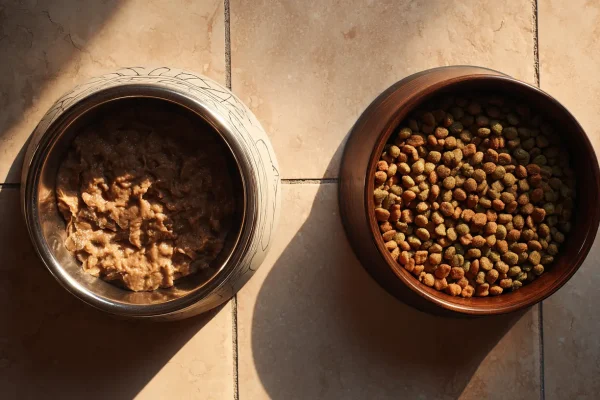
Moisture content. Cats have a low thirst drive. They evolved to get water from prey, not a bowl. A cat eating only dry kibble is often mildly dehydrated for years, and that puts quiet strain on aging kidneys. Wet food runs about 75–80% water. Dry food is around 10%. That gap is significant.
Phosphorus. Kidney disease is one of the most common causes of death in older cats. High phosphorus speeds up kidney decline once it’s already started. Most standard senior formulas reduce phosphorus — but if your cat has a diagnosed kidney issue, a prescription renal diet from your vet is a different conversation entirely.
Glucosamine and chondroitin. These support joint cartilage. Some cats at 8 are already showing stiffness. These additions cost nothing to look for and matter more than most people realize.
Best Senior Cat Food Options Worth Knowing
I’m not going to give you a rigid ranked list, because your cat’s situation is different from mine. But here are the foods that consistently show up for good reasons.
Purina Pro Plan Vital Systems Senior (11+ or 7+) Pro Plan is one of the few mass-market brands that actually invests in feeding trials — real research, not just formula calculations. The senior line has solid protein levels, added antioxidants, and a price point that doesn’t require a second mortgage. My personal take: it’s a reliable foundation, especially if your cat is around 7–10 and healthy. It won’t blow you away on the ingredient list, but it does what it says.
Hill’s Science Diet Adult 7+ and 11+ Hill’s gets recommended by vets constantly, and there’s a reason. The formulas are backed by research and specifically engineered for age-stage nutrition. The 7+ line is designed more for weight management and immune support. The 11+ line has a different goal — maintaining body condition in cats who are starting to lose weight. These are not the same food. Make sure you’re buying the right one for your cat’s age.
Royal Canin Aging 12+ This is the one I’d reach for with an older cat who’s lost appetite or has dental issues. The thin-slice wet texture is gentle on sore gums and easy to eat. The formula is lower in phosphorus and higher in digestibility. It’s pricey. Worth it for a cat who needs some extra help.
Wellness Complete Health Senior Grain-free, real meat first, no corn or soy. This is a solid option if you want to step up from mainstream brands without going full raw or prescription. Good for cats with sensitive stomachs or who’ve shown mild food intolerances.
Tiki Cat Silver (11+) If your older cat is turning her nose up at everything else, Tiki Cat is often what gets reluctant eaters back to the bowl. High moisture, real protein, very few fillers. The smell alone tends to win cats over. Excellent for the best senior cat food for weight gain category — cats who need to put pounds back on.
Wet vs. Dry: Here’s My Actual Opinion
Most articles hedge on this. I won’t.
For most cats over 10, wet food should be the primary diet. The kidney support alone is worth it. Cats don’t drink enough water on their own — they just don’t. And aging kidneys need all the help they can get. If your cat’s been eating dry food her whole life and is doing fine at 8, you don’t have to panic. But start introducing wet food as the main course, not the side dish.
That said — dry food isn’t evil. For cats who physically won’t eat wet, or for households where free-feeding is necessary, a high-quality dry senior kibble is still better than an empty bowl. Small kibble size matters too. Older cats often have gum sensitivity or missing teeth. Big crunchy pieces are uncomfortable.
The best senior cat food wet options I’ve tried give you the texture variety too — pâté, shreds, chunks in gravy. Some cats are weirdly specific about texture. Miso will only eat pâté now. Shredded makes her leave the room.
The Weight Problem Goes Both Ways
Most people worry about their senior cat getting fat. That’s valid for cats in the 7–10 range. But once a cat passes 11 or 12, the concern often flips.
Older cats lose muscle mass. They may eat less because their sense of smell has faded — and a lot of a cat’s appetite is smell-driven. They may have dental pain that makes eating uncomfortable. The result is quiet, gradual weight loss that owners sometimes chalk up to “just being old.”
If your older cat is losing weight, a lower-calorie senior formula is the last thing you want. You want high-protein, higher-calorie, highly digestible food. Warm it slightly to intensify the smell. Try different textures. Add a small amount of low-sodium chicken broth.
The best senior cat food for weight gain isn’t a special product — it’s usually a high-moisture, high-protein wet food served in a way that actually appeals to your specific cat.
What About Digestion?
Senior cats are more likely to have sensitive stomachs — sometimes for no diagnosed reason at all. A cat who ate anything at 3 might vomit every other day at 12.
When looking for the best senior cat food for sensitive stomachs and digestion, look for:
- Single or limited protein sources (chicken-only, or fish-only formulas)
- Prebiotics and probiotics in the ingredient list
- No artificial preservatives or colors
- High digestibility — which wet food generally handles better than dry
Transitions matter too. Don’t switch cold turkey. Mix 25% new food with 75% old for a few days, then slowly shift the ratio over 7–10 days. A sudden switch is a stomach upset waiting to happen.
Joint Support — the Quiet Issue
Cats hide pain well. It’s survival instinct. By the time you notice a cat limping or struggling to jump, they’ve usually been uncomfortable for a while.
Glucosamine and chondroitin in food won’t reverse arthritis, but they can slow the wear on cartilage and reduce inflammation at the joints. The best senior cat food with glucosamine is usually labeled clearly — Royal Canin, Hill’s, and Wellness all include it in their senior lines. Some dedicated joint-support formulas also include omega-3 fatty acids from fish oil, which reduce inflammation from a different angle.
If your cat is 10+ and you’re seeing any change in mobility — hesitating before jumping, sleeping more than usual, less interest in climbing — look specifically for foods that include both glucosamine and omega-3s. It’s not a cure. But it’s a real, low-effort intervention.
Indoor vs. Outdoor Senior Cats
One more thing that rarely gets addressed: indoor senior cats and outdoor senior cats have genuinely different needs.
Indoor cats tend to be more sedentary and more prone to weight gain in their mature years (7–10). They also face boredom eating. The best senior cat food for indoor cats leans slightly lower in calories and includes fiber to keep digestion moving.
Outdoor cats, even older ones, are burning more energy. They might need slightly higher calories and more fat to maintain body condition through weather and activity. They’re also more likely to come home with minor injuries or parasites that can affect gut health.
Neither is dramatically different from standard senior nutrition, but it’s worth factoring in when you’re choosing between formulas.
FAQ
My cat just turned 7. Do I actually need to switch to senior food? Not necessarily right away. Age 7 is when the mature life stage starts, but whether to switch depends on your cat’s weight, activity level, and bloodwork. If your vet sees nothing concerning at the annual exam, finishing the current bag of adult food isn’t a crisis. Start looking at senior options and transition when the time feels right.
Is it bad to feed my 13-year-old senior food designed for a 7-year-old? It can be, yes. The 7+ formulas are often lower in calories, which is wrong for a cat who’s already underweight. If your cat is 12+, look for formulas specifically labeled 11+ or 12+ that are higher in digestibility and not calorie-restricted.
My senior cat won’t eat wet food. Is dry food okay? It’s not ideal, but it’s workable. Focus on a high-quality dry senior kibble with small pieces and named protein as the first ingredient. Add water or low-sodium broth to the bowl to boost moisture intake. Keep a cat fountain nearby — moving water gets more cats drinking than a still bowl.
What does “best senior cat food for digestion” actually mean in terms of ingredients? Look for limited ingredients, high meat content, prebiotics (like chicory root or inulin), and probiotics (listed as specific strains like Lactobacillus). Avoid formulas with multiple protein sources if your cat has a sensitive stomach — simpler is usually better.
Can I mix senior and adult cat food? Yes, this is fine if you’re transitioning or just using up an open bag. Long-term mixing isn’t ideal since the nutritional ratios will be off, but it won’t hurt your cat in the short term.
The honest answer to “what’s the best senior cat food” is that it depends on your specific cat’s age, weight, health conditions, and what they’ll actually eat. But the framework is real: high-quality protein, moisture from wet food where possible, lower phosphorus as kidneys age, and a calorie level that matches where your cat is in life — not just what the bag says.
Miso’s eating again, by the way. Tiki Cat Silver. She practically runs to the bowl now.