
- The Best Cat Litter by Type
- Best Clumping Clay Litter: Dr. Elsey's Ultra
- Best Crystal Litter: PrettyLitter
- Best Biodegradable Litter: World's Best Cat Litter (Corn)
- Best for Odor Control: Boxiecat Probiotic Clumping Clay
- Best for Kittens: Dr. Elsey's Kitten Attract
- Best for Automatic Litter Boxes: Fresh Step Lightweight or Clumping Clay
- What "Best" Actually Depends On
- How to Switch Litters Without a War
- Clumping vs Non-Clumping: The Short Answer
- The Litter Box Itself Matters Too
- FAQ
My older cat, Biscuit, once went on a two-day bathroom strike because I swapped his litter without thinking. No warning. Just emptied the box and refilled it with a fancy new “natural” option I’d read about. He sniffed it, looked at me with genuine contempt, and walked away. Found a pile on my bathmat that evening.
I learned something that day. The best cat litter isn’t just the one that clumps the fastest or smells the least. It’s the one your cat will actually use.
With that in mind, here’s what actually works in 2026 — broken down by type, by use case, and by the kind of cat you’re living with.
The Best Cat Litter by Type
Not every household needs the same thing. A single indoor cat in a small apartment is a different situation from three cats in a house with kids and allergies. So instead of one “best overall” pick, here’s what’s working for real people right now.
Best Clumping Clay Litter: Dr. Elsey’s Ultra
Clay is still king for most households. It clumps fast, it’s easy to scoop, and almost every cat accepts it without drama. Dr. Elsey’s Ultra has been a consistent top performer for years and in 2026 it still earns its reputation.
The clumps are firm. They don’t crumble when you try to scoop them, which means you’re not stirring wet clay back into the clean litter. That matters more than it sounds — broken clumps are one of the main reasons boxes start to smell even when you scoop daily.
It’s also low-dust. Not zero-dust, but noticeably cleaner than most budget clays. If you or your cat have respiratory issues, dust level is worth paying attention to. Fine clay dust lingers in the air and cats breathe it in every time they dig.
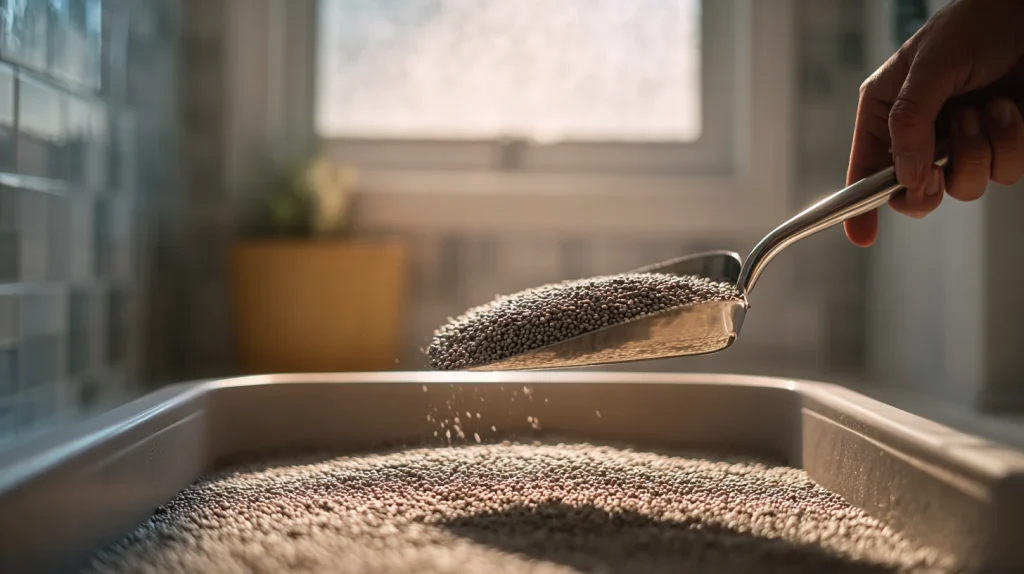
Good for: Most cats, multi-cat households, people who want reliability without surprises.
Not ideal for: Anyone committed to eco-friendly products, or cats with known paw sensitivities.
Best Crystal Litter: PrettyLitter
Crystal litter (made from silica gel) works differently than clay. Instead of clumping, it absorbs urine and moisture. The crystals trap liquid inside them and dry out, which means odor is controlled for longer without daily scooping.
PrettyLitter has an extra feature that no clay litter can match: it changes color based on your cat’s urine chemistry. Yellow-orange is normal. Dark yellow or orange might mean dehydration. Red can indicate blood. Green could point to alkaline urine, which sometimes signals a UTI or kidney issue.
I’ll be honest — I was skeptical of this when it launched. It felt gimmicky. But a friend of mine caught a kidney issue in her elderly cat early because of a color change she noticed before any symptoms appeared. That’s hard to dismiss.
The downside is texture. Some cats, especially those raised on clay, find the crunchy crystals strange underfoot. Switching to crystals requires patience.
Good for: Senior cats, owners who want health monitoring, single-cat households.
Not ideal for: Multi-cat homes (the color changes get confusing), cats who are texture-sensitive.
Best Biodegradable Litter: World’s Best Cat Litter (Corn)
“Biodegradable” covers a wide range of materials — corn, wheat, wood pellets, tofu, coconut husk, recycled paper. They’re not all the same, and pretending otherwise doesn’t help anyone choose.
World’s Best Cat Litter is made from whole-kernel corn. It clumps, it’s flushable (check local regulations — not all plumbing handles it well), and the odor control is genuinely good. It doesn’t smell like a barn. It smells like almost nothing.
The reason it beats other plant-based options for most people is that it behaves like clay. The clumps are firm. The transition from clay is easier than switching to pellets or paper, because the texture isn’t radically different. Your cat has a better chance of accepting it.
For households trying to reduce plastic waste or cut down on clay mining impact, this is the place to start.
Good for: Eco-conscious owners, multi-cat homes (there’s a specific multi-cat formula), anyone wanting a flushable option.
Not ideal for: Cats with corn allergies (rare but possible), very humid climates where corn-based litter can mold faster if the box isn’t cleaned often enough.
Best for Odor Control: Boxiecat Probiotic Clumping Clay
Odor control is the number one complaint about litter boxes. And most litters handle it in one of two ways: cover it with fragrance, or try to trap it mechanically through clumping.
Boxiecat takes a third approach. It uses probiotics — live beneficial bacteria — to actively break down the odor-causing bacteria in waste. It’s not masking the smell. It’s eliminating the source.
This works better than it sounds. Boxes using Boxiecat consistently smell less than boxes using standard clay, even with the same scooping frequency.
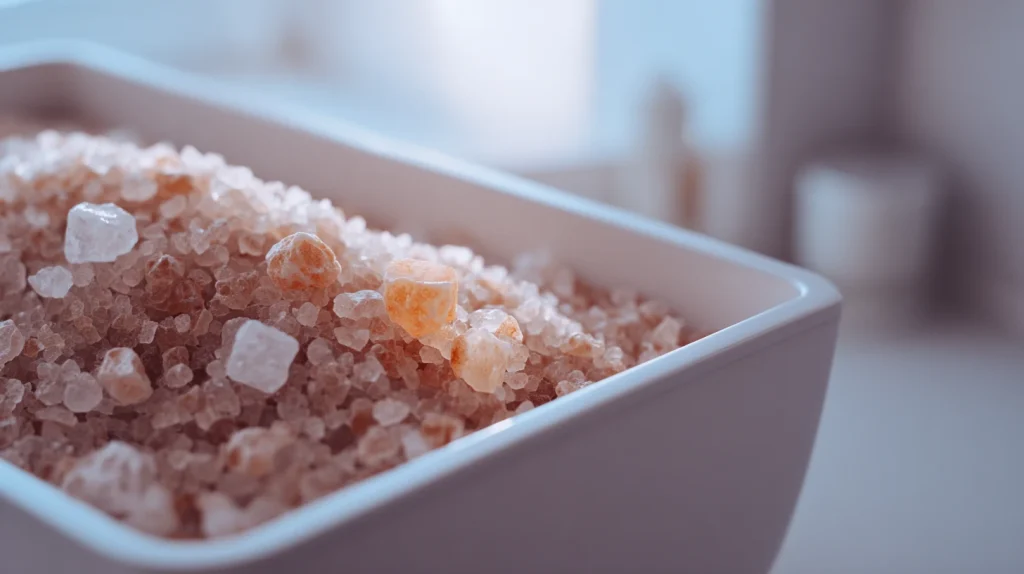
The litter is also flat-top clumping, which means clumps form on the surface rather than sinking to the bottom. This keeps more clean litter usable for longer.
It costs more than basic clay. That’s the trade-off. But if odor is your main problem, it’s worth paying for.
Good for: Apartments, small spaces, multiple cats, anyone who’s tried “odor control” litters and been disappointed.
Not ideal for: Budget-focused buyers.
Best for Kittens: Dr. Elsey’s Kitten Attract
Kittens aren’t born knowing what a litter box is for. They need guidance. Dr. Elsey’s Kitten Attract is formulated specifically to help with this — it contains a natural herbal attractant that draws kittens to the box.
It sounds like a gimmick. It isn’t. Behavioral vets actually recommend it, and cat breeders have been using it for years to ease the litter box learning process.
The litter itself is a fine-grain clay that’s gentle on young paws. No coarse pellets, no sharp crystals. Just soft, clumping clay that feels safe to a small cat who’s still figuring things out.
Once your kitten is reliably using the box, you can transition them to a standard adult litter gradually over a couple of weeks.
Best for Automatic Litter Boxes: Fresh Step Lightweight or Clumping Clay
Automatic litter boxes like the Litter-Robot need litter that clumps fast and firm. If the clump is soft or crumbly, the mechanism can’t separate it cleanly. You end up with a dirty drum and a sensor that triggers incorrectly.
The best cat litter for automatic boxes is almost always a fine-grain clumping clay. Lightweight formulas (which use a different clay composition to reduce bag weight) tend to work well because the lighter granules tumble freely in the drum.
Avoid crystals in self-cleaning boxes — most aren’t designed to handle them. Avoid pellets for the same reason.
What “Best” Actually Depends On
Here’s the thing nobody in most roundups says clearly: your cat’s opinion matters more than any expert’s recommendation.
Studies on feline litter preferences have found that most cats prefer:
- Unscented litter over scented
- Fine-grain texture over coarse pellets
- Clean boxes over fresh litter in a dirty box
That last one is important. A cheap, unscented clay scooped daily will outperform a premium litter that’s only emptied weekly. Routine beats product almost every time.
If your cat is already using their litter without issues, the best litter is the one they already like. Don’t fix what isn’t broken.
How to Switch Litters Without a War
Switching litter types abruptly is one of the most common reasons cats start going outside the box. Not because they’re being difficult. Because cats are creatures of habit and the litter box is one of the few places they expect total consistency.
If you want to switch — whether for odor control, sustainability, or cost — do it gradually.
Start by mixing 25% new litter with 75% old. After three to four days, shift to 50/50. Then 75% new. Then fully new. The whole process takes about two weeks.
If your cat starts avoiding the box at any point, slow down. Go back to the previous ratio for another few days before moving forward.
Some cats never accept certain litter types, no matter how slow the transition. If you’ve spent three weeks carefully switching and your cat still refuses, that litter may not be right for that cat. Accept it and try something else. This isn’t a failure — it’s just how cats work.
Clumping vs Non-Clumping: The Short Answer
Non-clumping litter absorbs urine but doesn’t form solid masses. You can’t spot-scoop — you have to empty and replace the whole box more frequently. For most cat owners, this is less convenient and more expensive over time.
Clumping litter forms firm masses around wet waste. You scoop just the clumps, leaving clean litter behind. This is the format most cats and owners prefer, and it’s what most of the litters in this post use.
The only real case for non-clumping is with very young kittens (under 4 months) who might ingest litter while grooming. Some vets recommend non-clumping paper or pellet litter during the first few months as a precaution.
The Litter Box Itself Matters Too
You can buy the best cat litter for odor control on the market and still have a smelly, avoided box if the setup is wrong.
Box size is underrated. Most commercial litter boxes are too small. A cat should be able to turn around comfortably and dig without stepping out of the box. A rule of thumb: the box should be at least 1.5 times the length of your cat.
Location matters. Cats don’t want their bathroom next to their food bowl. They also don’t love high-traffic areas, laundry rooms with loud machines, or dark corners that feel like dead ends.
The number of boxes matters too. The general guideline is one box per cat, plus one extra. So two cats means three boxes. This reduces territorial issues and litter box competition, which is a real problem in multi-cat homes.
None of the best cat litter boxes in the world compensate for a box that’s too small, in the wrong spot, or never cleaned.
FAQ
What’s the best cat litter for odor control that actually works? Boxiecat Probiotic is the most consistently effective for odor, especially in multi-cat homes. PrettyLitter does well for single-cat households. For the budget-conscious, Dr. Elsey’s Ultra with daily scooping outperforms most scented litters that try to mask rather than control odor.
Is World’s Best Cat Litter actually good or is it just marketing? It’s genuinely good, particularly for people who want a plant-based litter that behaves like clay. The clumping is solid, the odor control is real, and the transition from clay is easier than most other biodegradable options. The name is a bit much, but the product isn’t.
My cat keeps tracking litter everywhere — what helps? Heavier litters track less than lightweight ones. Larger-grain litters track less than fine-grain. A litter mat outside the box catches a lot. But no litter is completely tracking-free. That’s just the reality of having a cat.
Can I flush World’s Best Cat Litter down the toilet? The brand says yes, and it’s technically flushable. But many plumbers and municipalities advise against flushing any litter regularly, since it can accumulate in pipes over time. Check your local water guidelines. If in doubt, bag it.
What’s the safest litter for a cat with asthma or allergies? Low-dust, unscented, non-clay options are generally the safest. Paper pellet litters like Yesterday’s News produce almost no dust. Corn and wheat litters are low-dust too. Avoid scented clay litters entirely — the added fragrance chemicals can aggravate respiratory issues in sensitive cats.
One more thing worth saying plainly: no list can tell you what your specific cat will accept. Some cats are easy. Some are absolute nightmares about litter preferences and will make your life difficult for months if you choose wrong. The best approach is to pick a litter that fits your situation, introduce it slowly, and actually pay attention to how your cat responds.
That’s it. That’s the whole strategy. Most of the time it works.