
- Best Picks at a Glance
- Do Birds Actually Need Probiotics?
- The Fast Gut Problem Nobody Talks About
- What to Look for in an Avian Probiotic
- Equa Holistics HealthyGut Avian
- Pros
- Cons
- Vital Planet Flora Bird Probiotic
- Pros
- Cons
- Natren Gastro Vegi-Dophilus
- Pros
- Cons
- Avitech AviPro Plus
- Pros
- Cons
- Bene-Bac Bird Gel (PetAg)
- Pros
- Cons
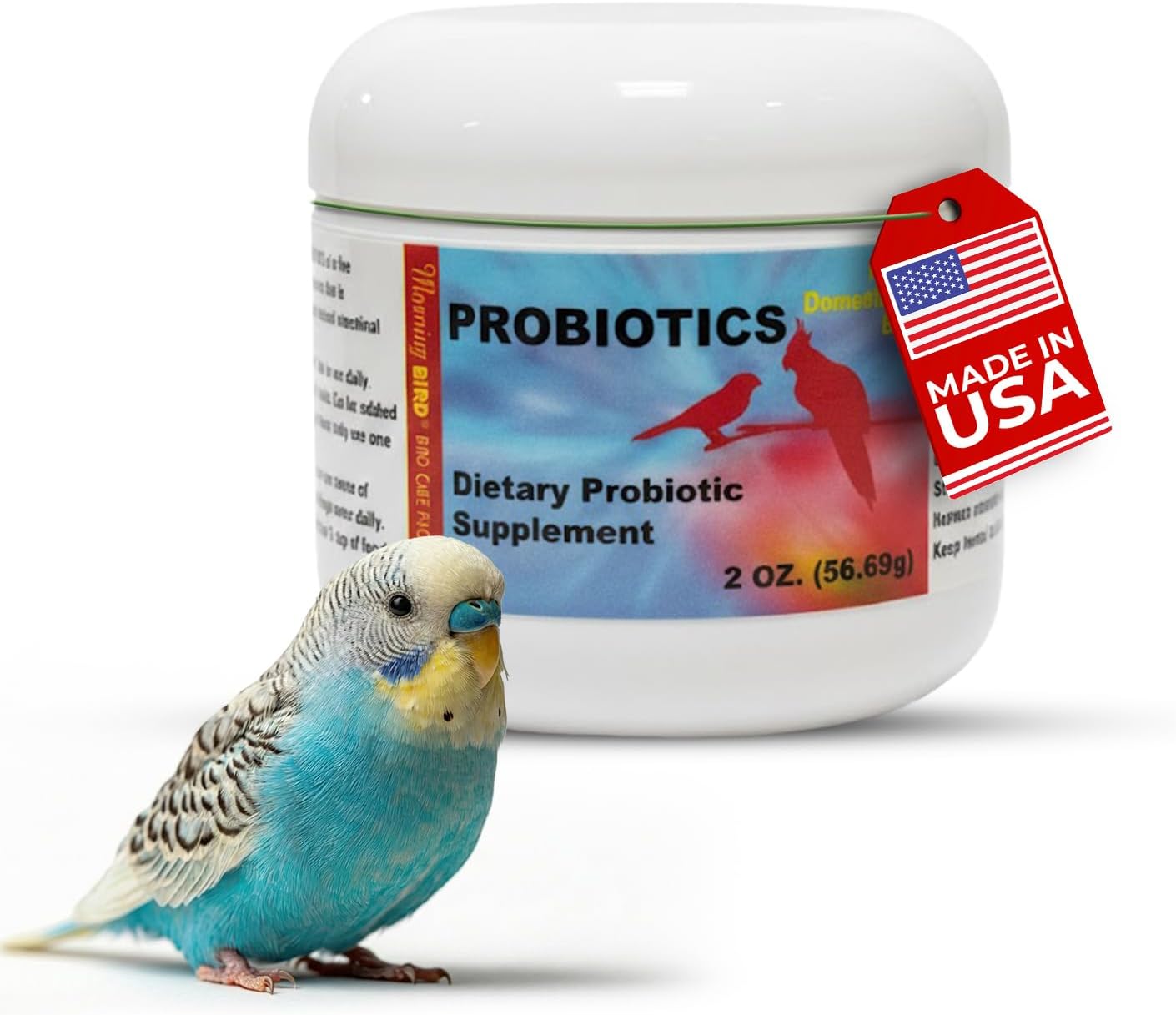
- Morning Bird Probiotic Avian Formula
- Pros
- Cons
- 🏆 Editor's Pick: Equa Holistics HealthyGut Avian
- Practical Buying Advice
- FAQ
- Final Thoughts
My African grey went through a rough patch after a round of antibiotics for a respiratory infection. His droppings quality dropped off. He wasn’t eating with his usual enthusiasm. The vet mentioned probiotics as a way to help restore his gut after the antibiotic course, so I went looking for information — and found almost nothing useful.
Every article I found either listed five products with no explanation of why, or offered vague reassurances that probiotics are “great for gut health” without any actual mechanism behind the claim. That’s frustrating, because the question for birds isn’t the same as it is for dogs or cats.
Birds have a fundamentally different digestive system. Food moves through a parrot’s gut in hours, not days, and that speed changes whether orally administered bacteria can even colonize before passing through. Most of the mammal-probiotic research doesn’t translate directly, and the bird-specific research is either poultry-focused — a poor match for pet bird physiology — or thin enough that it barely qualifies as research.
None of this means bird probiotics don’t work. It means the evidence is more limited than supplement marketing suggests, and understanding that difference helps you decide when to actually use them and which ones are worth buying. There’s a real gap between “probably helpful in this specific situation” and “give it every day forever just in case.”
“If you’re short on time: probiotics genuinely help birds recovering from antibiotics, going through major stress, or transitioning diets — but a healthy bird eating well doesn’t need daily supplementation. Equa Holistics HealthyGut Avian is the best all-around pick for most parrot owners, Vital Planet Flora Bird suits larger parrots needing a higher CFU dose, and Bene-Bac Gel is worth keeping on hand for a bird that’s too sick to eat.”
Best Picks at a Glance
Equa Holistics HealthyGut Avian – 9.4/10 The best overall choice for parrots and exotic species. Eight freeze-dried strains and 600 servings per container make it easy to justify for owners who’ll use it across multiple recovery periods.
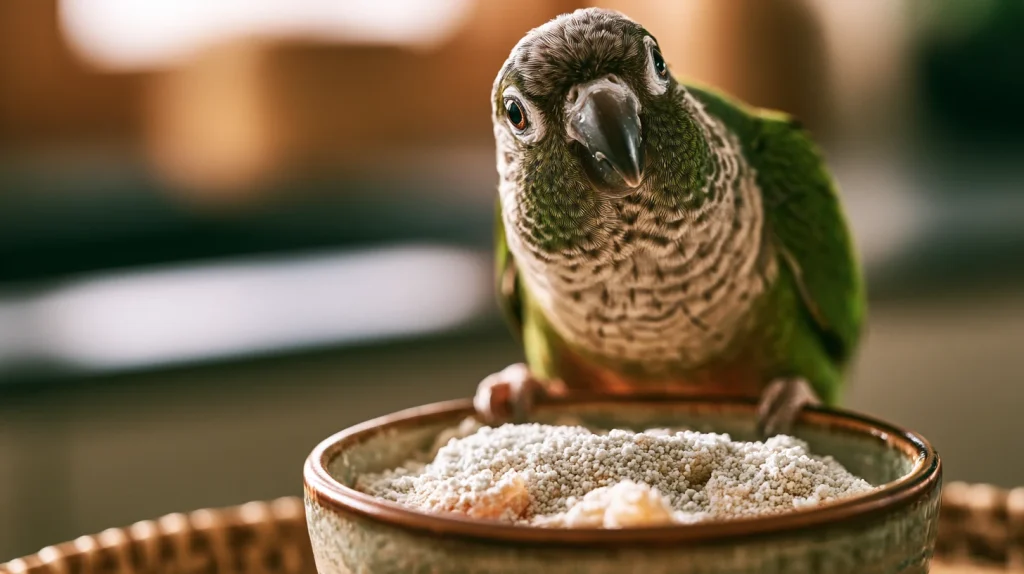
Vital Planet Flora Bird Probiotic – 9.0/10 The strongest option when CFU count matters most. Ten billion live cultures across seven strains give large parrots enough bacterial load to matter during recovery.
Natren Gastro Vegi-Dophilus – 8.8/10 A concentrated single-strain formula built for post-antibiotic recovery in sensitive birds, with manufacturing quality that stands out from typical pet supplements.
Bene-Bac Bird Gel (PetAg) – 8.6/10 The right call when a bird won’t eat on its own. Direct syringe delivery means probiotics get in even when voluntary food intake has stopped.
Avitech AviPro Plus – 8.3/10 A broader formula that pairs probiotics with digestive enzymes, useful for birds recovering from illness or dealing with ongoing digestive sensitivity.
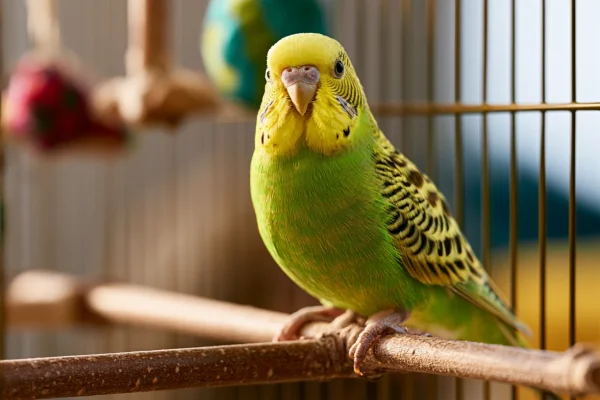
Morning Bird Probiotic Avian Formula – 8.0/10 The budget-friendly, right-sized option for finches, canaries, and small parakeets that don’t need parrot-scale dosing.
Do Birds Actually Need Probiotics?
This is the question supplement companies would rather you skip. Here’s an honest answer instead.
A healthy bird with a good diet, low stress, and no recent antibiotic exposure probably doesn’t need probiotic supplementation. Their gut flora — a mix of lactobacillus species, enterococcus, and other bacteria appropriate to their species — maintains itself reasonably well when conditions are stable. A bird in good health eating varied, quality food isn’t generally suffering from the kind of dysbiosis that needs external correction.
The situations where bird probiotics genuinely make sense:
After antibiotic treatment. Antibiotics are non-selective — they knock back harmful and beneficial bacteria alike. After a course for a respiratory or bacterial infection, gut flora is disrupted, and probiotics during recovery help re-establish balance. This is the use case with the clearest scientific rationale, even though the bird-specific research is thinner than we’d want.
During or after significant stress events. A move, a new bird joining the household, a long vet visit, changes within the family — stress disrupts gut motility and immune function in birds, and flora can shift noticeably during these windows. Support during high-stress transitions is a reasonable precaution, especially for birds already prone to stress-related digestive upset.
When droppings are abnormal without a confirmed diagnosis. Loose, discolored, or persistently unusual droppings always warrant a vet visit first — never self-diagnose with probiotics. But once a vet has ruled out active infection and suspects dysbiosis, probiotics may become part of the recovery plan.
Young birds being weaned. Gut flora gets established during weaning, and some avian vets recommend probiotic support during this window — particularly for birds separated from parents early, who missed the natural microbial transfer that comes with parent-fed rearing.
Dietary transitions. Moving a seed-heavy bird to a balanced pellet-and-fresh-food diet changes the gut environment significantly. The microbial community adapted to a high-fat, high-carb seed diet has to reorganize, and probiotic support during that window can ease the adjustment.
Where probiotics clearly aren’t the answer: active infection, parasites, dietary toxins, or heavy metal exposure. None of these get treated by a supplement powder — that’s a vet visit, full stop.
The Fast Gut Problem Nobody Talks About
Here’s the detail missing from almost every bird probiotic article you’ll read. A bird’s digestive transit time is fast — food passes through a parrot’s system in roughly 2 to 6 hours depending on species, diet, and the individual bird. Compare that to a dog (12–30 hours) or a human (24–72 hours).
That speed means orally introduced bacteria need to colonize quickly or they pass through without establishing. It’s genuinely unclear from available research whether the CFU counts in consumer bird probiotics are high enough for reliable gut colonization, or whether the benefit is mostly transient, happening during the brief passage itself.
That uncertainty probably doesn’t undo the core recommendation — post-antibiotic probiotic support still makes sense regardless of the transit debate. But it does suggest that continuous daily supplementation for general “gut health maintenance” in a perfectly healthy bird has weaker evidence behind it than manufacturers imply.
The fast transit problem makes a stronger case for targeted, situational use than for permanent daily supplementation of a gut that’s already working fine. Most supplement companies don’t draw that distinction on their own — which is worth keeping in mind before you commit to a daily routine.
What to Look for in an Avian Probiotic
Not all products deliver equally, and the differences that matter aren’t always the ones featured on the label.
Avian-specific bacterial strains. Human and canine probiotics contain strains selected for mammalian gut conditions — acid resistance, colonization behavior, and pH range all reflect a mammalian digestive environment. The avian gut runs a different pH profile with different transit characteristics and existing microbial communities. Strain specificity matters more here than in most general pet supplement discussions.
Verified live cultures with proper storage. Probiotic bacteria are alive, and heat, moisture, and light kill them over time. Freeze-dried formulas hold viability far better than liquid or paste options. Be skeptical of anything stored at room temperature in translucent packaging, and always check the expiration date — a probiotic degraded in shipping delivers essentially nothing.
Declared CFU counts per dose. CFU (colony forming units) tells you how many live bacteria are actually in each serving. A “proprietary blend” with no CFU count listed isn’t being transparent about potency. As a rough guide: 500 million to 1 billion CFU for small birds like finches, canaries, and budgies; 2–5 billion for medium parrots like cockatiels and conures; 5 billion or more for large parrots like African greys, Amazons, and macaws.
A clean ingredient list. Sugar, artificial colors, and chemical preservatives don’t belong in a bird supplement. Read the ingredient list before buying.
Equa Holistics HealthyGut Avian
Rating: 9.4/10
Walk into any parrot forum — African grey owners, Amazon keepers, cockatoo enthusiasts — and HealthyGut comes up constantly. That’s not because Equa Holistics has an outsized marketing budget. It’s because parrot owners share information relentlessly, and this product has built a genuine reputation through years of community use.

Pros
- Eight freeze-dried bacterial strains for broad coverage
- 600 servings per container — nearly two years at one daily serving
- Mixes cleanly into soft food or a small amount of water
- Most birds accept it without noticing the addition
Cons
- No long-term clinical trials specific to pet birds
- “Community consensus” isn’t the same as peer-reviewed evidence
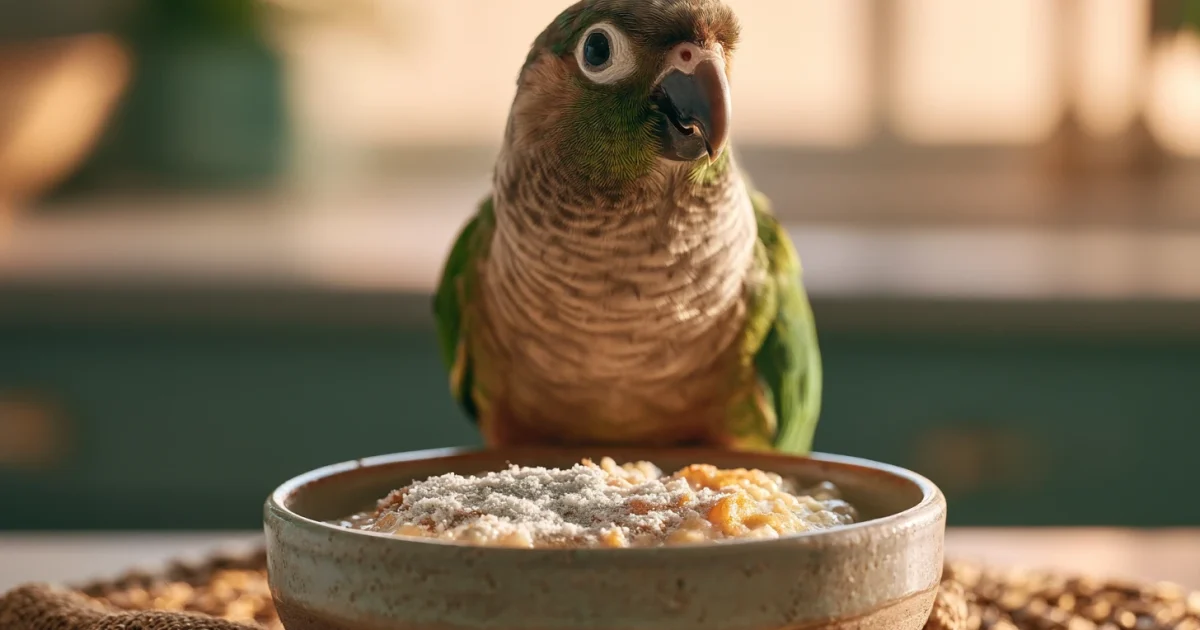
Six hundred servings per container works out to nearly two years of supply at one daily serving, which makes the per-dose cost more reasonable than the sticker price on the container suggests. The freeze-dried format means the bacteria stay viable much longer than liquid or gel alternatives, and it dissolves cleanly into soft food or a bit of water without most birds noticing.
The strain list includes Lactobacillus acidophilus, L. bulgaricus, L. plantarum, and Bifidobacterium species, among others. A multi-strain approach offers broader coverage across different gut zones and environmental niches than a single-strain product — though whether that broader coverage translates into a measurable benefit specifically in birds is harder to prove than the theory suggests. The rationale is sound, and the community experience has been consistently positive.
My own grey has used HealthyGut for two years, during stress periods and post-antibiotic recovery. His gut normalized faster after his second antibiotic course than his first, when we hadn’t supplemented at all. That’s one data point, not a clinical trial — but it lines up with what most HealthyGut users report.
The honest caveat: the clinical evidence base for avian probiotics in general is still limited. HealthyGut is the community favorite, but that reputation is built on shared experience, not controlled studies. It’s likely beneficial during the periods when probiotic use is genuinely called for — not as a permanent daily fixture regardless of your bird’s condition.
Vital Planet Flora Bird Probiotic
Rating: 9.0/10
For larger parrots — full-size African greys, large Amazons, military macaws, or any bird in the 400–500 gram range or above — the CFU counts in some smaller-format products may not deliver enough bacterial load to meaningfully shift the gut environment during recovery.

Pros
- 10 billion live cultures per serving across 7 strains
- High enough dose to matter for large-bodied parrots
- Well suited to post-antibiotic recovery in bigger birds
Cons
- Price adds up fast for large birds needing frequent higher doses
- Overkill — and pricier than necessary — for small species
Vital Planet Flora Bird solves that with 10 billion live cultures per serving across seven strains. The higher CFU count justifies the modestly elevated price for large-parrot owners, particularly during post-antibiotic recovery, when re-establishing gut flora efficiently is the priority.
For smaller birds like budgies or cockatiels, though, 10 billion CFU per dose is more than the gut environment needs. Morning Bird’s lower-count formula is the better-matched product for smaller species — supplementation should scale with the size of the bird, not default to the highest number on the shelf.
Natren Gastro Vegi-Dophilus
Rating: 8.8/10
Natren takes a different approach from the multi-strain bird probiotics on this list. Gastro Vegi-Dophilus is a single, highly concentrated strain — Lactobacillus bulgaricus — produced under pharmaceutical-grade quality standards that most pet supplement manufacturers don’t match.
Pros
- Very high potency in a single, well-studied strain
- Manufacturing quality and transparency above typical pet-supplement standards
- Strong option for acute recovery when other products haven’t resolved gut issues
Cons
- Single strain means less microbial diversity than multi-strain formulas
- Premium price point
The case for single-strain, high-potency supplementation during acute recovery: one well-studied, verifiably active strain at a therapeutic concentration may outperform a multi-strain formula where each individual strain shows up in a much smaller quantity. This is a genuinely contested area of probiotic science, and both approaches have research behind them.
For birds recovering from a severe antibiotic course, or for persistent gut disruption that multi-strain products haven’t resolved, Natren’s approach is worth trying. The price runs higher than most alternatives, but the manufacturing transparency justifies it when reliable potency is what you actually need.
Avitech AviPro Plus
Rating: 8.3/10
AviPro Plus pairs probiotic bacteria with digestive enzymes in a single formula. The enzymes help break down food components more effectively — particularly useful during recovery, when the gut is stressed and natural enzyme production may lag.

Pros
- Combines probiotics with digestive enzyme support
- Useful for birds on poor-quality diets or with ongoing digestive sensitivity
- Sound formulation logic for post-illness recovery
Cons
- Smaller body of parrot-specific owner reviews than HealthyGut or Morning Bird
- Harder to gauge long-term satisfaction from available feedback
That combination makes practical sense during post-illness or post-antibiotic recovery, when both the microbial population and the gut’s enzymatic function benefit from support. For birds eating lower-quality diets, or dealing with ongoing digestive sensitivity, the enzyme component adds value beyond what probiotics alone provide.
The relatively small body of owner reviews from the parrot-specific community makes it harder to judge long-term satisfaction compared to HealthyGut or Morning Bird. The formulation logic holds up regardless — it just hasn’t accumulated the same track record yet.
Bene-Bac Bird Gel (PetAg)
Rating: 8.6/10
Bene-Bac Bird Gel exists for one specific situation: a bird too sick, too weak, or too stressed to eat normally. The gel format allows direct oral delivery through a small syringe, so you don’t need the bird to eat food with powder mixed in.

Pros
- No mixing required — direct syringe delivery
- Works when a bird has stopped eating entirely
- Useful for hand-feeding babies or newly weaned juveniles
Cons
- Short shelf life once opened
- Requires refrigeration after opening
Post-surgery, post-illness, or after a severe stress event where the bird has stopped eating altogether — the gel format gets probiotics into the gut without depending on voluntary food intake. Keep it refrigerated after opening, replace it within a few weeks, and consider keeping one in your bird emergency kit alongside styptic powder, saline solution, and your avian vet’s after-hours contact information.
The other place gel format shines is hand-feeding baby birds or newly weaned juveniles, where you’re already managing every input in a controlled way.
Morning Bird Probiotic Avian Formula
Rating: 8.0/10
For finch owners, canary keepers, and small parakeet households, full-scale parrot probiotics are overkill — and expensive relative to the size of the bird being supplemented.
Pros
- Priced and dosed appropriately for small birds
- Five usable bacterial strains in an easy powder format
- Widely stocked by bird specialty retailers
Cons
- Lower CFU count than Vital Planet or HealthyGut
Morning Bird Probiotic offers five bacterial strains in an easy-to-use powder format at a price built for small bird households, and it’s widely available through bird specialty retailers — which matters, since birds have more specific supplement needs than most general pet stores adequately stock. Administration is straightforward, and it has a solid track record within the small bird keeping community.
The CFU count is lower than Vital Planet or HealthyGut, but that’s actually appropriate here — a budgie or finch doesn’t need macaw-scale dosing, and matching the product to the animal’s size is the point.
🏆 Editor’s Pick: Equa Holistics HealthyGut Avian
If you’re supplementing a parrot-size bird and want one product that covers most situations — post-antibiotic recovery, stress periods, dietary transitions — HealthyGut earns the top spot. The eight-strain formula, verified freeze-dried viability, and two years of servings per container make it easy to justify keeping on hand rather than buying reactively every time a situation comes up.
It isn’t the highest CFU count on this list, and it isn’t propped up by clinical trials most competitors also lack. What it has is years of consistent community use across serious parrot keepers who compare notes obsessively — plus a mixing profile that makes actual compliance easier, which matters more than any spec sheet when the bird in question is the one deciding whether to eat it.
If you own a larger parrot and want maximum CFU count specifically for post-antibiotic recovery, Vital Planet Flora Bird is the stronger technical choice. But for most parrot households, HealthyGut is the one to keep in the cabinet.
Practical Buying Advice
Match the product to your bird’s size, not the biggest number on the label. A budgie doesn’t need macaw-scale CFU counts, and overpaying for potency your bird’s gut doesn’t require is a common first-time mistake.
Check for CFU transparency before anything else. If a product doesn’t list a specific count, that’s a red flag regardless of how well it’s marketed.
Storage conditions determine whether you’re paying for live bacteria or dead ones. Freeze-dried products in opaque packaging hold up best. If a probiotic has sat in a hot delivery truck or a sunny shelf for weeks, assume reduced potency even if the expiration date hasn’t passed.
Don’t default to daily use “just in case.” The clearest evidence supports targeted use during antibiotic recovery, major stress, weaning, or dietary transitions — not indefinite daily supplementation of a healthy bird.
Introduce new products slowly, especially with neophobic species like African greys. Start with a barely visible amount mixed into a familiar food, and build up over 3–5 days.
Keep a gel-format product on hand even if your daily-use product is a powder. If your bird ever stops eating, you’ll want a syringe-deliverable option ready rather than scrambling to order one.
FAQ
Are probiotics safe for all bird species? The avian-specific products covered here are formulated to be safe across parrot species, finches, canaries, and most common pet birds. There’s no significant documented evidence of harm from reputable avian probiotics at recommended doses. The real risk isn’t toxicity — it’s using a supplement in place of veterinary care when a bird actually needs medical treatment.
My bird just finished antibiotics. How long should I give probiotics? Most avian vets recommend 2–4 weeks of supplementation following an antibiotic course, giving the gut flora time to re-establish. There’s no precise protocol specific to companion birds in the research literature, but 2–4 weeks is the standard guideline in avian practice.
Can I use human probiotics for my bird? Don’t. Human formulas contain strains selected for human gut conditions — a different pH environment, different transit time, and a different existing microbial community. Avian-specific formulas are inexpensive and accessible enough that substituting a human product doesn’t make sense when a better-matched option is available.
How do I know if the probiotic is working? Droppings are the best indicator. Within 1–2 weeks of consistent supplementation during a recovery period, dropping quality should normalize — firmer, better-formed, and appropriately colored for the bird’s current diet. If droppings remain abnormal past two weeks, that calls for veterinary evaluation rather than continued self-management.
Do I need to refrigerate bird probiotics? It depends on the format. Bene-Bac Gel needs refrigeration after opening. Most freeze-dried powders — HealthyGut, Vital Planet, Morning Bird — stay stable at cool room temperature when sealed, but should stay away from heat and direct sunlight. Always follow the specific product’s storage instructions, since the bacteria are alive and conditions determine whether they survive.
My bird is on seeds only. Will probiotics help? A seed-only diet creates a gut environment that doesn’t support optimal microbial diversity, and probiotics may offer some benefit on top of that. But the higher-impact move is transitioning the bird to a varied diet with quality pellets and fresh foods. Probiotics on top of a poor diet are a partial fix — improving the diet and adding probiotics during the transition is the stronger approach.
Final Thoughts
The honest version of this topic isn’t as tidy as supplement marketing makes it sound. Bird probiotics have a real, defensible use case — but it’s a situational one, tied to antibiotics, stress, weaning, and dietary transitions, not a permanent daily ritual for every bird regardless of condition.
If your bird is currently recovering from antibiotics or going through a stressful transition, HealthyGut or Vital Planet Flora Bird (for larger parrots) are solid, well-supported choices. If your bird stops eating entirely, Bene-Bac Gel is worth having in the cabinet before you need it, not after. And if anything about your bird’s condition looks like more than routine gut disruption — persistent abnormal droppings, lethargy, blood, loss of appetite — skip the supplement aisle and call your avian vet first.