
- Why "Sensitive Stomach" Means Different Things in Different Dogs
- Signs Your Dog Actually Has a Sensitive Stomach
- What to Look for in the Best Dog Food for Sensitive Stomach Dogs
- Ingredients to Avoid
- Best Dog Food Sensitive Stomach Brands Worth Trying in 2026
- The Transition Step Everyone Skips
- When Food Alone Isn't Enough
- Best Dog Food for Sensitive Stomach and Skin
- A Quick Note on Breed Differences
- FAQ
My beagle Charlie started having soft stools almost every day when he was about three. I tried four different “sensitive stomach” formulas in six months. Nothing worked. Turns out the problem wasn’t the brand — it was that I had no idea why his stomach was sensitive in the first place.
That one mistake cost me hundreds of dollars and months of laundry.
If your dog has chronic diarrhea, gassy episodes, or vomits more than once a week, you’re in the right place. This guide will help you find the best dog food for sensitive stomachs — but more importantly, it’ll help you figure out which kind of sensitive stomach your dog actually has. Because that part changes everything.
Why “Sensitive Stomach” Means Different Things in Different Dogs
This is the part most product lists skip.
“Sensitive stomach” is a catch-all term. It describes the symptom, not the cause. A dog can have digestive issues for at least four different reasons:
- Food intolerance — a reaction to a specific ingredient, often a protein source like chicken or beef
- Food allergy — a true immune response, usually to a protein; often shows up on skin and gut
- IBD (inflammatory bowel disease) — a chronic gut condition that needs a vet’s diagnosis
- Low-quality diet — the food simply has too many fillers, too much fat, or too little digestible fiber
These four things need different solutions. A limited-ingredient diet helps with intolerance. A prescription hydrolyzed protein food is often needed for true allergies. IBD may need medication plus diet. And a simple food upgrade fixes low-quality diet problems in days.
If you don’t know which category your dog falls into, switching to a new “sensitive stomach” bag is a guess — and an expensive one.
My opinion: Before spending $80 on a new food, spend 20 minutes at your vet’s office. Ask them to help you narrow down the cause. The appointment will save you money and your dog a lot of discomfort.

Signs Your Dog Actually Has a Sensitive Stomach
Not every soft stool is a crisis. All dogs have an off day.
Watch for these patterns that suggest something ongoing:
- Loose stools or diarrhea more than twice a week
- Vomiting that isn’t caused by eating grass or eating too fast
- Excessive gas — not just occasional, but daily and noticeable
- Gurgling stomach sounds, especially at night
- Skin issues alongside gut issues (this combo almost always points to a protein allergy)
One loose stool after a new treat is normal. Three loose stools a week for two months is not. That’s the line.
What to Look for in the Best Dog Food for Sensitive Stomach Dogs
Once you have a rough idea of the cause, you can actually shop with purpose. Here’s what the ingredient label should show.
Easy-to-digest proteins. Chicken, turkey, and fish are gentler on the gut than beef or pork for most dogs. Novel proteins — duck, venison, kangaroo — are great if your dog has developed an intolerance to common proteins after eating them for years.
Simple carbohydrates. White rice and oatmeal are the easiest carbs for a dog’s digestive system to process. Sweet potato works well too. Avoid corn and wheat if your dog has shown any reaction to grains.
Prebiotics and probiotics. Prebiotics feed the good bacteria already in the gut. Probiotics add new ones. Both help regulate digestion and firm up stools. Look for Lactobacillus acidophilus or chicory root in the ingredient list.
Moderate fat content. High fat is one of the biggest triggers for vomiting and diarrhea. Look for foods where fat is under 15% on a dry matter basis. Pancreatitis — a painful inflammation of the pancreas — is directly linked to high-fat diets.
Short ingredient lists. Fewer ingredients means fewer potential triggers. A 5-ingredient food is easier to troubleshoot than a 30-ingredient one.
Ingredients to Avoid
Some things on a label are red flags for a dog with a sensitive stomach.
Artificial preservatives like BHA, BHT, and ethoxyquin can irritate the gut lining over time. Look for foods preserved with natural alternatives like mixed tocopherols (vitamin E).
Corn syrup and added sugars. These destabilize blood sugar and can worsen inflammation in the gut.
Rendered “meal” from unknown sources. “Meat meal” or “animal digest” without a named species is a sign of low-quality ingredients.
High-fat sauces and gravies. Some wet foods look premium but are loaded with fat and salt. Check the guaranteed analysis panel, not just the front of the label.
Best Dog Food Sensitive Stomach Brands Worth Trying in 2026
A quick note: no single food works for every dog. What I’m listing here are formulas that come up consistently — among vets, pet nutritionists, and dog owners — as starting points for sensitive stomachs. Your dog may need something different.
Purina Pro Plan Sensitive Skin & Stomach (Salmon & Rice)
This is the one most vets mention first. It has real salmon as the primary protein, rice as the carb source, and live probiotics. It’s been studied more than most commercial foods. The skin-and-stomach combination matters because a lot of dogs with gut sensitivity also show coat issues — this formula addresses both at once.
Hill’s Science Diet Sensitive Stomach & Skin
Hill’s backs this formula with feeding trials, not just nutrient analysis on paper. It has prebiotic fiber to support the gut microbiome, vitamin E and C for immune support, and omega-6 fatty acids for coat health. It’s on the pricier side for a mid-tier food, but the research behind it is real.
Royal Canin Digestive Care
Royal Canin’s digestive line is formulated specifically around stool quality. It uses highly digestible proteins and a precise fiber blend. This one comes up a lot for dogs with chronic soft stools where the cause isn’t identified yet.
The Farmer’s Dog (Fresh Food)
Fresh, gently cooked food has been helping a lot of dogs where kibble hasn’t. The processing is minimal, which means the nutrients are more intact. The Farmer’s Dog uses whole food ingredients with no fillers. It’s expensive, but if your dog has tried three or four kibbles with no improvement, it’s worth the trial.
Limited Ingredient Diets (LID) — for suspected intolerances
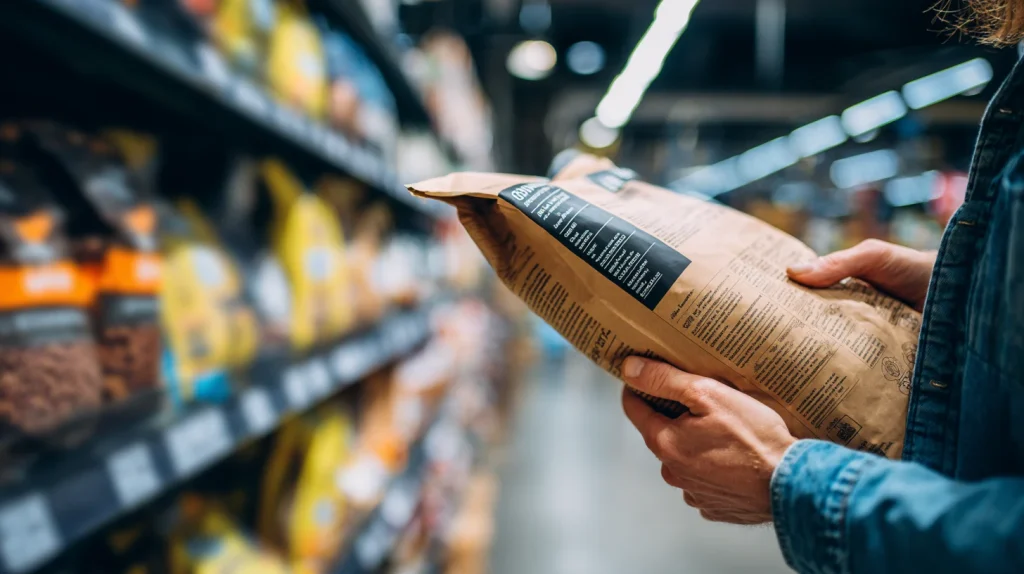
If you suspect your dog has an intolerance to a specific protein, a limited ingredient diet is your starting point. Look for single-protein options: salmon only, duck only, or lamb only. American Journey LID, Natural Balance LID, and Zignature are commonly recommended. Pick a protein your dog has never eaten before.
The Transition Step Everyone Skips
Switching foods abruptly is one of the most common reasons “the new food didn’t work.”
Your dog’s gut microbiome — the community of bacteria that manages digestion — needs time to adjust to new ingredients. Dropping in a new food overnight disrupts that ecosystem and can cause diarrhea even in dogs with healthy stomachs.
Do this instead:
- Days 1–3: 75% old food, 25% new food
- Days 4–6: 50% old food, 50% new food
- Days 7–9: 25% old food, 75% new food
- Day 10+: 100% new food
Go slower if your dog is already having issues. Some vets recommend a 14-day transition for highly sensitive dogs.
When Food Alone Isn’t Enough
Some dogs don’t respond to any diet change because the root cause isn’t the food.
Parasites can cause chronic diarrhea that looks exactly like a food sensitivity. A simple fecal test at the vet rules this out. It costs about $30 and is worth doing before spending $100 on a specialty food.
IBD (inflammatory bowel disease) is a chronic immune condition that requires medication. Some dogs also need a prescription hydrolyzed diet — one where the proteins are broken into pieces too small for the immune system to react to. These come from your vet, not the pet store.
Pancreatitis causes vomiting and diarrhea after meals and is often triggered by a high-fat treat or table scrap. If your dog has sudden, severe symptoms after eating something rich, see a vet immediately.
I’d be lying if I said I could tell you from a blog post whether your dog has IBD or a simple chicken intolerance. The honest answer is: if you’ve switched foods twice and the symptoms haven’t improved, your vet needs to be involved. Diet changes only go so far.
Best Dog Food for Sensitive Stomach and Skin
When gut issues and skin issues appear together — itching, ear infections, redness — the likely cause is a protein allergy, not just a sensitivity.
The skin and gut share an immune pathway. When a dog’s immune system reacts to a food protein, it can fire in both places at once.
For this situation, the approach is different:
Start with a novel protein your dog has never eaten. Duck, venison, rabbit, kangaroo, or even insect protein (yes, it exists and works well). Give it 8–12 weeks before deciding it’s not working. Protein allergies take weeks to clear, not days.
Salmon-based foods also perform well here. Omega-3 fatty acids from fish oil reduce inflammation in the gut lining and the skin simultaneously.
A Quick Note on Breed Differences
Some breeds are just more prone to digestive issues than others.
German Shepherds have notoriously sensitive guts. They often do best on high-digestibility kibble or fresh food. Great Danes are prone to bloat (gastric dilation), which isn’t a food sensitivity but is food-related — large kibble pieces and slow feeding bowls matter a lot for them. Small breeds sometimes have fast metabolisms and need more frequent, smaller meals. Senior dogs of any breed have slower digestion and often do better on lower-fat, higher-fiber food.
Knowing your breed’s tendencies helps you pick a starting point faster.
FAQ
My dog throws up every morning before eating — is that a food issue?
That’s usually bile vomiting, and it often happens when a dog goes too long between meals. The stomach produces acid overnight with nothing to digest. Try feeding a small snack before bed, or split your dog’s daily food into three smaller meals instead of two. If it keeps happening, see your vet — sometimes it’s a sign of acid reflux or a motility issue.
Can I just feed my dog chicken and rice forever?
Not really. Boiled chicken and white rice is a great short-term gut rest diet — it’s what vets recommend for 2–3 days after a stomach upset. But it’s not balanced for long-term use. It’s too low in fat, missing key vitamins, and won’t provide complete nutrition. Once your dog’s stomach has settled, transition to a proper complete-and-balanced food.
Is grain-free better for dogs with sensitive stomachs?
Not automatically. Grain-free became very popular, but the FDA flagged a potential link between grain-free diets heavy in legumes (peas, lentils) and dilated cardiomyopathy — a heart condition. The research is still ongoing and not definitive, but it’s worth knowing. Grains like rice and oatmeal are actually easy to digest and rarely the culprit. If your dog isn’t specifically sensitive to grains, there’s no strong reason to avoid them.
What’s the best dog food for sensitive stomach diarrhea specifically?
Look for moderate fat (under 15%), added probiotics, and a digestible carb like rice or oatmeal. Hill’s Science Diet Sensitive Stomach and Royal Canin Gastrointestinal are both vet staples for ongoing diarrhea. If diarrhea is sudden and severe, or lasts more than 48 hours, call your vet — dehydration is a real risk.
How long does it take to see improvement after switching foods?
Give it at least 4–6 weeks after the full transition. Some improvements — like firmer stools — may show up within a week or two. But skin issues and deeper gut sensitivities can take 8–12 weeks to resolve. Don’t give up on a food after five days.
The best dog food for a sensitive stomach isn’t always the fanciest one on the shelf. It’s the one that matches what’s actually going on inside your dog. Start there, transition slowly, and give it enough time to work. If you’ve done all that and still see no change — that’s when you stop googling and pick up the phone to call your vet.