
- What "Raw" Actually Means (Because It's Not All the Same)
- The Best Raw Cat Food Brands in 2026
- Best Raw Cat Food for Indoor Cats
- Best Raw Cat Food Delivery and Subscriptions
- Best Raw Cat Food Toppers (If You're Not Ready to Go All-In)
- What to Actually Check on the Label
- How to Switch Your Cat Without a Fight
- Safety: The Honest Version
- Best Raw Cat Food in the UK
- FAQ
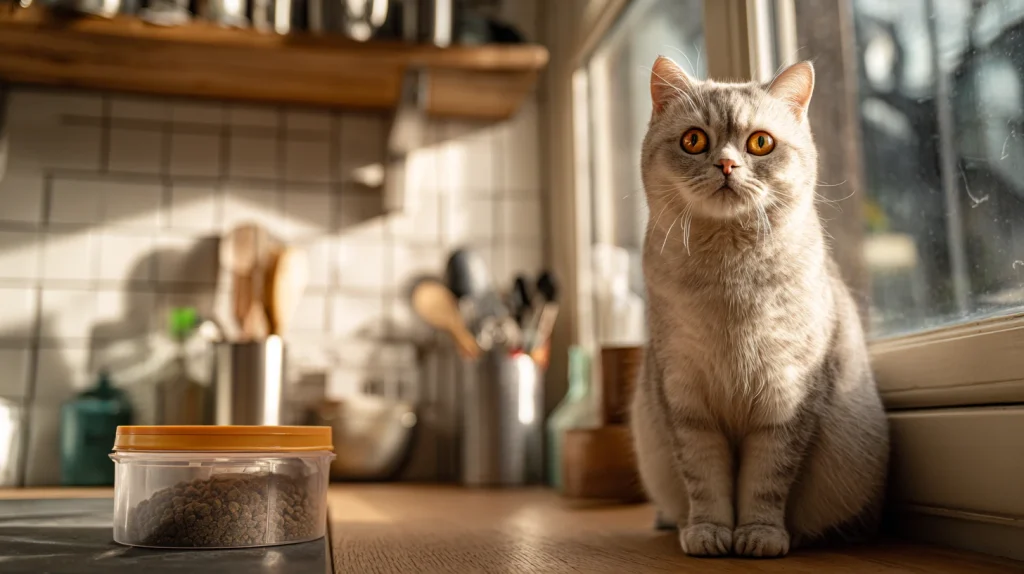
My cat Miso spent three years eating the same salmon kibble. She was healthy enough, but her coat looked dull, she drank almost no water, and she left half her bowl every other day. A friend suggested raw. I laughed. Then I tried it.
Six weeks later, Miso was finishing every meal. Her coat had more shine than it had in years. I’m not saying raw food is magic. But I am saying the difference was real enough that I started paying attention.
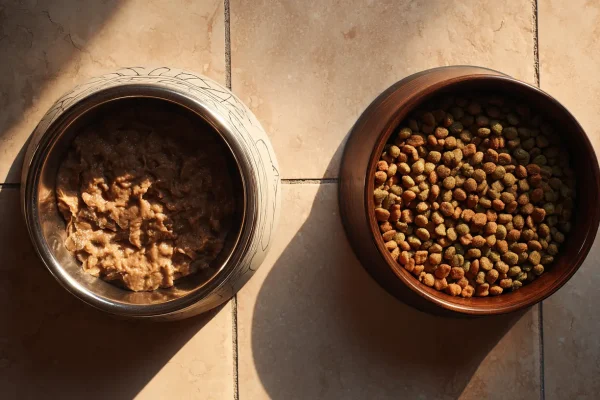
Here’s what nobody tells you upfront: “best raw cat food” covers three very different types of products. Frozen raw. Freeze-dried raw. Air-dried raw. They don’t all work the same way, they don’t all cost the same, and they’re not equally practical for every household. So before I get into the best raw cat food brands, let me explain what you’re actually choosing between.
What “Raw” Actually Means (Because It’s Not All the Same)
Frozen raw is the closest to what cats would eat in the wild. Ground muscle meat, organ meat, and often raw bone — portioned into patties or nuggets, frozen to preserve them. High moisture content, minimal processing. The trade-off is freezer space and daily thawing. Brands like Viva Raw, Darwin’s, and We Feed Raw ship frozen directly to your door.
Freeze-dried raw goes through a process where moisture is removed while the food stays frozen. The result is a shelf-stable product that still contains the raw nutrition profile. You rehydrate it with water before serving. It’s easier to store, easier to travel with, and easier to portion. Stella & Chewy’s and Instinct are probably the most recognized names here.
Air-dried raw is slowly dried at low temperatures until most moisture is removed. It looks more like kibble. Some cats take to it more readily because of the familiar texture. Ziwi Peak and Open Farm make good versions of this. It doesn’t have quite the moisture content of frozen raw, but it’s a reasonable middle ground.
None of these is automatically “the best.” The best one is whichever you’ll actually stick with.
The Best Raw Cat Food Brands in 2026
Frozen Raw
Viva Raw — My current top pick for frozen raw. Made with human-grade ingredients in USDA kitchens. They offer complete formulas for adults and kittens, and the single-protein options (beef, turkey, duck, rabbit, chicken) are good for cats with food sensitivities. Multiple cats I know have tested every flavor and eaten all of them. The minimum order for shipping exists because it’s perishable — that’s not a flaw, it’s just physics.
Darwin’s Natural Pet — A close runner-up. Darwin’s sells complete ground raw food with whole food ingredients. Worth noting: they have specialty options for cats with chronic kidney disease, which almost no other brand addresses well. They also offer a transition guide that’s actually useful for nervous first-timers.
We Feed Raw — Mostly marketed at dogs, but their high-quality single-protein patties work well for cats too. If you’re already feeding a dog raw, this is a convenient way to simplify your household. Not the most visible cat-specific brand, but the quality is there.
Freeze-Dried Raw
Stella & Chewy’s Freeze-Dried Raw — The most consistently recommended freeze-dried brand across vets, nutritionists, and actual cat owners. Responsibly sourced meat, no hormones or fillers, gluten-free, and meets AAFCO guidelines. The preparation method is recognized by both the FDA and USDA, which matters for safety. Wide range of flavors. It’s not cheap, but the quality is honest.
Instinct Freeze-Dried Raw — Instinct is one of the biggest names in raw cat food for a reason. Their freeze-dried line is solid. The Raw Boost Mixers (freeze-dried toppers you add to existing food) are a great entry point if you’re not ready to go fully raw. The digestive health formula with pumpkin seeds is worth trying if your cat has a sensitive stomach.
SmallBatch — Available on Chewy, which makes it easy to access. Good for raw beginners who want something they can reorder without committing to a direct-ship subscription.
Air-Dried Raw
Ziwi Peak Air-Dried — Expensive. Small bags. Worth every penny if budget allows. Ziwi Peak uses ethically sourced New Zealand proteins — venison, lamb, mackerel — with no fillers and high meat content. My opinion: this is the best air-dried raw on the market right now. The texture is dense and rich, and even picky cats tend to respond well to it.
Open Farm RawMix — A hybrid format: kibble coated in bone broth, mixed with freeze-dried pieces. Not “pure” raw, but a solid bridge product for cats transitioning off dry food. Full sourcing transparency, which I appreciate. Good for households where not everyone is fully on board with going raw.
Best Raw Cat Food for Indoor Cats
Indoor cats have specific needs that raw food actually addresses well. They tend to be less active, which means they need high protein and low carbohydrates — not the grain-heavy fillers you find in most dry food. They also don’t drink enough water naturally, and raw food (especially frozen raw) has moisture content that more closely mimics what cats get from prey.
For indoor cats, I’d prioritize:
- High moisture: Frozen raw wins here. Indoor cats that eat dry food are often mildly dehydrated all the time.
- Single proteins for urinary health: Many indoor male cats develop urinary issues. Rotating proteins and keeping carbs low can help.
- Manageable portions: Indoor cats gain weight easily. Freeze-dried is easy to portion precisely.
Viva Raw Complete and Stella & Chewy’s both work well for indoor cats. If your cat has had urinary issues before, Darwin’s specialty formulas are worth exploring with your vet.
Best Raw Cat Food Delivery and Subscriptions
The best raw cat food subscription for most people depends on two things: how much freezer space you have and how often you want to reorder.
Frozen raw delivery (Viva Raw, Darwin’s) ships in insulated packaging. You need to move it to your freezer the day it arrives. Many services have minimum orders — usually around 4–6 lbs — to keep the food cold in transit. That’s not optional. It’s just how perishable food shipping works.
Freeze-dried subscriptions (Stella & Chewy’s, Instinct via Chewy, SmallBatch) are easier to manage. No freezer required. You can subscribe and ship monthly without worrying about timing.
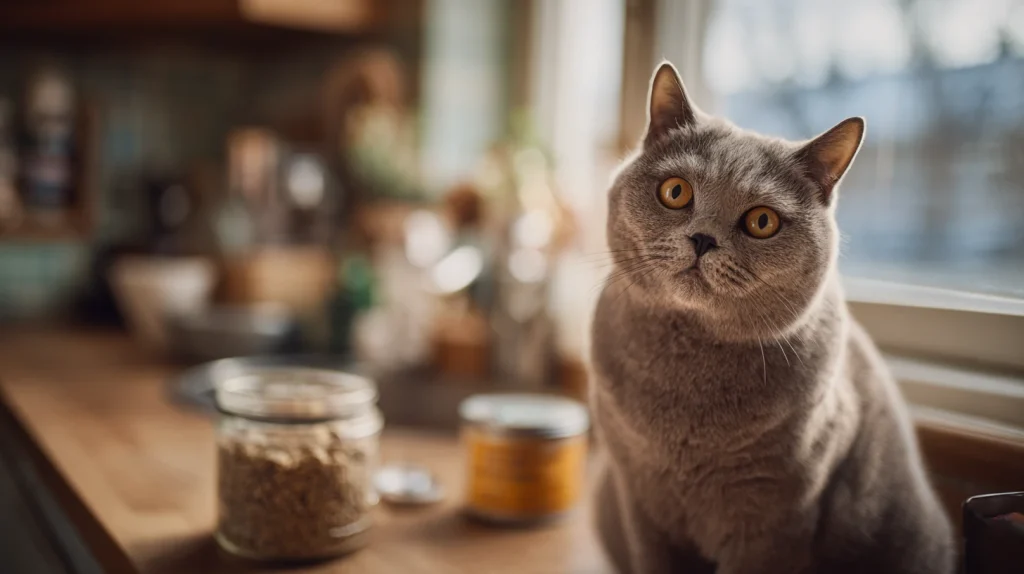
If you want to try before committing, several brands offer trial boxes. This is genuinely the smartest way to start. A best raw cat food trial box lets you test a protein or format on a picky cat before buying a full month’s supply. Darwin’s has offered a reduced-cost first box. Viva Raw has done similar. Check the current brand websites, as these offers change.
One honest note: raw delivery is not cheap. Expect to pay somewhere between $3 and $8 per day depending on brand, format, and your cat’s size. That’s real money. If your budget doesn’t stretch that far consistently, freeze-dried as a topper on quality wet food is a reasonable middle ground — not ideal, but genuinely better than nothing.
Best Raw Cat Food Toppers (If You’re Not Ready to Go All-In)
Not everyone wants to switch cold turkey. Toppers — freeze-dried pieces you sprinkle over existing food — give you most of the nutritional benefits with almost none of the logistical headache.
Instinct Raw Boost Mixers are the most accessible. Chicken and rabbit flavors, non-GMO vegetables, minimally processed. Add a tablespoon to wet food and you’re done.
Best raw cat food toppers work especially well for:
- Senior cats who are used to a certain texture
- Cats recovering from illness who need palatability
- Owners who want to add raw nutrition without committing to a full diet shift
What to Actually Check on the Label
The phrase “raw” on cat food packaging has no legal definition. Any brand can use it. Here’s what actually matters:
AAFCO statement — Look for “complete and balanced” on the label. This means the food meets minimum nutritional standards. If it just says “for supplemental use only,” it’s a topper, not a complete meal.
Named protein sources — “Chicken” is better than “poultry meal.” “Chicken liver” is better than “animal liver.”
Organ meat inclusion — Cats need taurine, which is highest in heart and liver. A good raw formula includes organ meat, not just muscle meat.
Bone content or calcium source — Raw bone (finely ground) provides calcium. If there’s no bone, there should be a named calcium supplement. Without enough calcium, a raw diet causes more harm than a cheap kibble.
Processing method — High-pressure processing (HPP) kills pathogens without heat. It maintains the raw nutrient profile while reducing bacterial risk. More brands are adopting it. It’s a meaningful safety upgrade.
How to Switch Your Cat Without a Fight
Cats have something called food imprinting behavior. It’s not stubbornness — it’s a survival mechanism. A cat that’s eaten the same food for years genuinely doesn’t recognize new food as “safe” to eat. Forcing the switch doesn’t work.
The slow method works. Start with 10% raw mixed into the current food. Stay there for three to four days. Then move to 25%. Then 50%. Then 75%. Then full raw.
The whole process can take two to four weeks. For a very stubborn cat, six weeks. Don’t rush it.
A few tricks that actually help:
- Warm the raw food slightly. Room temperature or just above releases more smell, and cats eat with their nose first.
- Add a small amount of bone broth on top.
- Try hand-feeding a tiny amount the first time — your cat’s comfort with you transfers to the food.
- Don’t leave raw food out more than 30 minutes. Pick it up and try again at the next meal.
Loose stools for the first week are normal. Ongoing diarrhea, vomiting, or a cat who stops eating entirely — that’s your cue to slow down and check with a vet.
Safety: The Honest Version
Raw food does carry bacterial risk. Salmonella, Listeria, Campylobacter — these are real, and they’re not trivial. The risk goes both ways: to your cat and to you, from handling.
Commercial raw cat food — especially HPP-processed or freeze-dried from reputable brands — is meaningfully safer than DIY raw meat. The AAFCO and FDA don’t require the same safety standards for pet food as human food, but reputable brands test their batches.
Treat raw cat food the way you’d treat raw chicken: separate cutting board, wash your hands thoroughly, don’t let it sit out, wipe down surfaces. That’s it. It’s the same hygiene you’d use making dinner.
Some cats shouldn’t eat raw: immunocompromised cats, cats on certain medications, very young kittens. If your cat has a health condition, talk to your vet before starting. This isn’t just legal CYA — it’s genuinely relevant advice.
The honest truth is that the safety question is more complicated than most raw-diet advocates admit, and also less scary than most raw-diet critics make it sound. Somewhere in the middle is reality.
Best Raw Cat Food in the UK
UK cat owners have solid options that don’t require importing. KatKin is the most popular fresh cat food delivery service in the UK right now — steam-cooked rather than raw, but frozen and nutritionally close. For true raw, Purrform is consistently praised; it’s a minced raw product that doesn’t look like preformed patties, and cats seem to take to it well from day one.
Natures Menu Country Hunter does freeze-dried raw and high-meat wet pouches. It’s widely available and easy to find on major UK pet retail sites. For high-protein air-dried, Eden runs 80–85% meat content and is among the highest-protein complete cat foods on the UK market.
FAQ
My cat has been on dry food her whole life. Can she really switch to raw? Yes, but it takes patience. Cats imprint on food they’re used to and may not recognize raw food as edible at first. The slow transition method — starting with 10% raw mixed into her current food and increasing over 3–6 weeks — works for most cats. Some are fast, some are infuriating about it. Be patient.
Is freeze-dried raw just as good as frozen raw? Nutritionally, they’re very close. Freeze-drying removes moisture while the food is frozen, which preserves most of the nutrient profile. The main difference is convenience: freeze-dried stores at room temperature and rehydrates in seconds. Frozen raw has a higher moisture content out of the bag, which may matter more for cats who don’t drink much water.
What’s the best raw cat food subscription if I travel a lot? Freeze-dried subscriptions via Chewy (Stella & Chewy’s, SmallBatch) work best for people who travel or have unpredictable schedules. They don’t need freezer management and you can pause or reschedule shipments easily. Frozen raw delivery requires someone home to put it in the freezer the day it arrives, which makes it harder to manage.
How much raw food does a cat actually need per day? Most guides suggest 2–3% of your cat’s body weight per day for adult cats. A 10-pound cat needs roughly 3–4.5 oz of raw food daily, split between two meals. Kittens need more — closer to 6–10% of body weight — because they’re growing fast. Follow the brand’s specific guidelines, since formulations vary.
Is raw cat food safe if I have young kids in the house? It requires the same hygiene as handling any raw meat. Wash hands after portioning, wipe down surfaces, don’t let raw food sit out. As long as you’re treating it like raw chicken from the grocery store, the risk is manageable. Children should not handle raw pet food unsupervised.
The right raw food isn’t the most expensive one or the one with the flashiest packaging. It’s the one your cat will actually eat, that you can realistically prepare and store, and that’s formulated to be complete and balanced. Start with a trial box. Watch your cat’s response. Adjust from there. Miso didn’t care about the brand at all. She just wanted her bowl finished.